Are you better off with a phone camera?

Blasphemy in the photography world!
3874 words; 23 photographs; 20-minute read
Back in the fall of 2025, during a PhotoTalk presentation on iPhoneography, I was asked a question that caught me a little off guard and one I’ve been mulling over for some time now: With phone cameras so good, why buy a proper camera?
I’m a big supporter of using phone cameras and make hundreds if not thousands of phone photos each year. Most are of family, but I also use it when I’m kicking around without a ’proper’ camera, a DSLR or mirrorless.
You don’t want to hear this, and the camera industry sure doesn’t want it said, but I’m going to come right out and say it anyway:
In the hands of the majority of people who buy a mirrorless camera + kit lens, a phone will produce consistently ‘better’ photos of the majority of scenes and subjects they take pictures of.
Easier to snap. Easier to edit. Easier to share. That’s what people want. Yet, phones still produce files high enough in quality to make calendars, photo books, and framed prints as large as 11×14″, or, in. a squeeze, a16x20”, even canvases up to 20×30”. What’s not to like?
Phones have democratized photography. They are the every-person’s camera and they make amazing photos.
Phone cameras are better than good
We’ve all seen the ads that claim, ‘Shot with a iPhone’. A quick scroll through IPP Awards and Mobile Photography Awards websites confirms that phone cameras are more than capable for creating dynamic, engaging photographs. Stop reading for a moment and visit these links. You’ll be blown away at the creativity and quality of the photography.

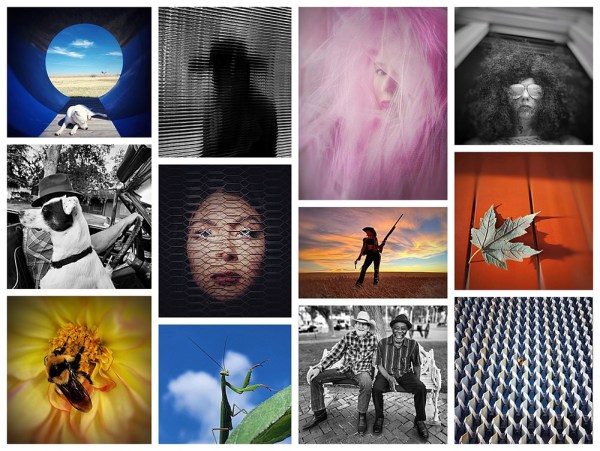
But, what about IQ?
My first reaction when asked the question “why buy a proper camera”, concerned image quality. The image quality gap is still a perceived drawback between phone cameras and proper cameras. However, we need some perspective here.
First of all, technical quality is a false God. Photographs are meant to evoke emotion and tell stories. A quote I always keep top of mind is this:
There is nothing worse than a sharp photograph of a fuzzy concept. — Ansel Adams
This pairs well with another quote by the venerable master:
The single most important component of any camera is the twelve inches behind it. — Ansel Adams
I have no doubt that, if each of the phone photos presented here had been made with a DSLR or mirrorless camera, they would have higher image quality. But, if I had relied on a ‘proper’ camera to make them, many of them would have never been made.
Secondly, we are now in a situation where phones capture 24 MP and 48 MP photos and larger. Both have more than enough pixels for high quality printing—in books, magazines, calendars, even as framed prints or canvases for the wall. Remember, even 12 MP is larger enough for a 10×13” at 300ppi.
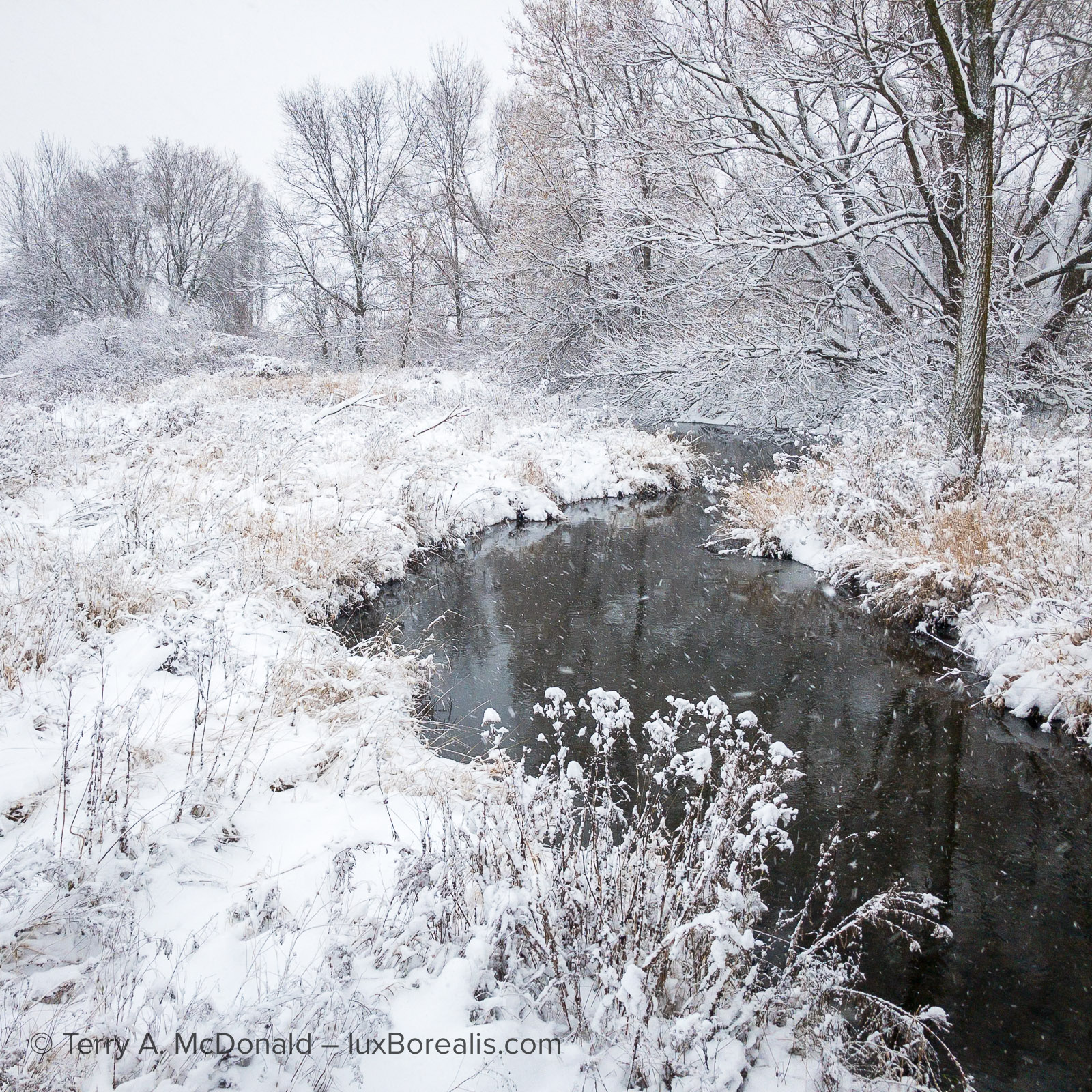
iPhone 8 Plus
Okay, so phone photos are not as technically sharp nor as rich-looking as those made with a DSLR or mirrorless cameras. But, we’re forgetting that phones now shoot in raw or Apple ProRAW. It’s not quite the same, but the files are far more editable.
Besides, how much quality are we looking for? 95% of all photos are only ever shared online or on-screen. Pixel-peeping is only done by pedantic photographers, not the general public. You print a photo, frame it and hang it on the wall and no one is going to scoff, “Oh, it’s only a phone photo!” Quite the opposite, in fact.
And Lenses?
My second thought, after IQ, was about the great range of lenses available for DSLRs and mirrorless cameras. The advantage of using a modern mirrorless camera is that it typically comes with a zoom lens, offering optical zoom quality at any focal length. As well, users can buy and add dozens of other lenses for specific uses. But they don’t!

iPhone 8 Plus
Fact: Fewer than half of all mirrorless camera buyers go on to buy an additional lens. For the kit-buying public, that number drops to 30%!! Why is that?!
My guess is there are millions of unused DSLR and mirrorless cameras sitting on shelves or in camera bags for one simple reason: phones take photos as good as most people ever need or want and they do so far more easily.
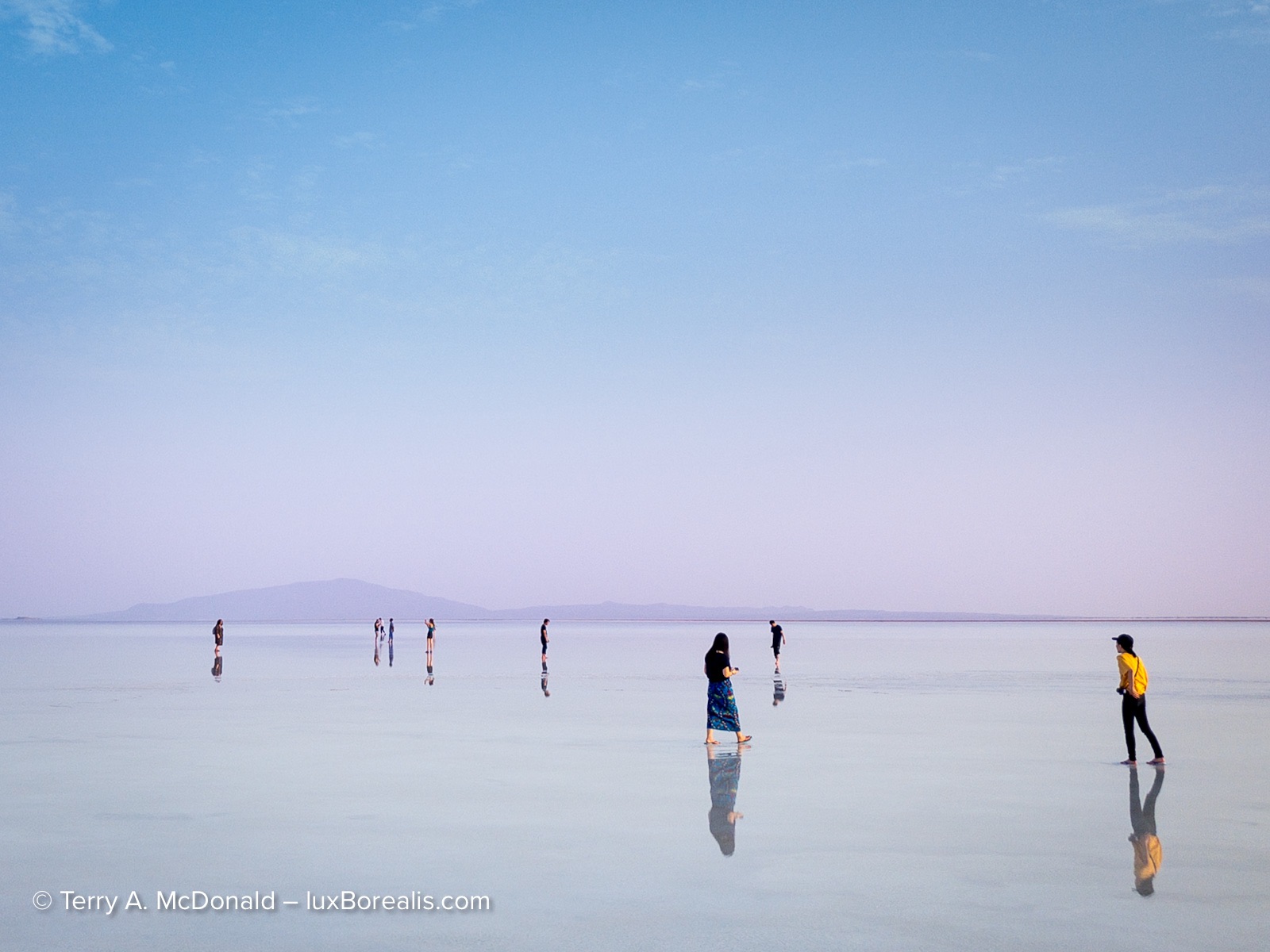
iPhone 8 Plus
Strangely enough, my advice when buying a new phone is to always upgrade to one with multiple cameras. My current iPhone has three, and goes from 14mm to 200mm — better than any kit lens out there! If you ’get into photography’ then you already have some lenses to grow into.
Where phone cameras excel
Family snapshots aside, phones are more than capable enough for creative and innovative ‘art’ photography as we saw from awards websites above. A phone camera is the camera that’s always with you. That, alone, makes it the “best camera”. And I’m talking about real photography, not just snapshots of the family.
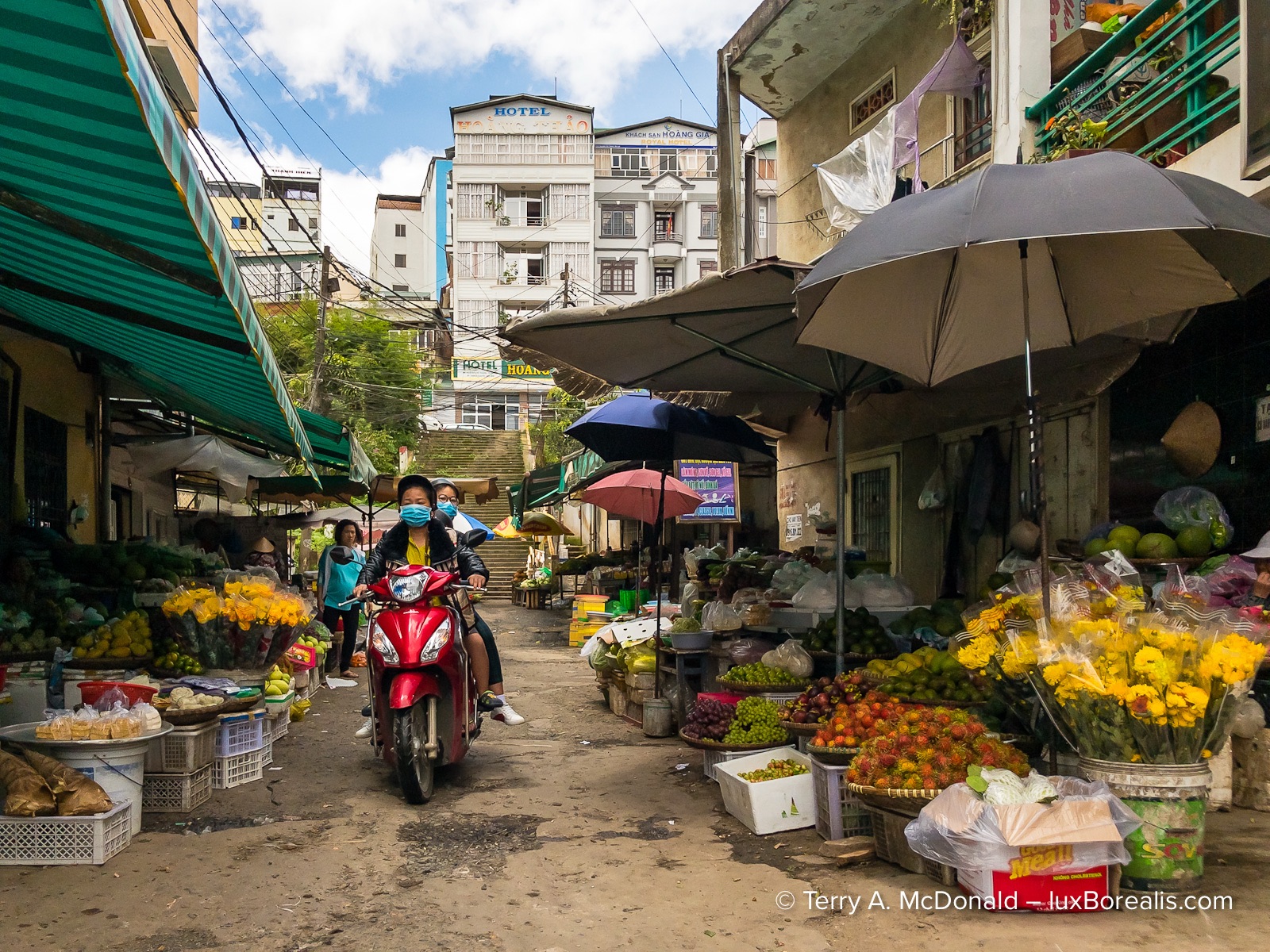
iPhone 8 Plus
Sketching
Everywhere I go, I ‘see’ photographs. Out walking. Out driving. Shopping downtown. Much of what I see and capture are sketches, parts of photos, the 8s out of 10 photos but, just the same, I capture them, like an artist collects sketches. They teach me something about light and shadow, colour contrast and texture, patterns and designs.

Made with an iPhone 11 Pro; processed in Lightroom. this is one of my favourite COVID photos, made when I was out walking.
Sometimes I see great photos, complete photos, 9 or 10/10 photos. Since my phone camera is so good, I can be confident that the photo I make will be more than good enough for the wall.
When I was working with a 35mm sensor Nikon, I felt less obliged to take my ‘proper’ camera with me everywhere I went. My phone photos were great and I didn’t need to lug around a heavy system.
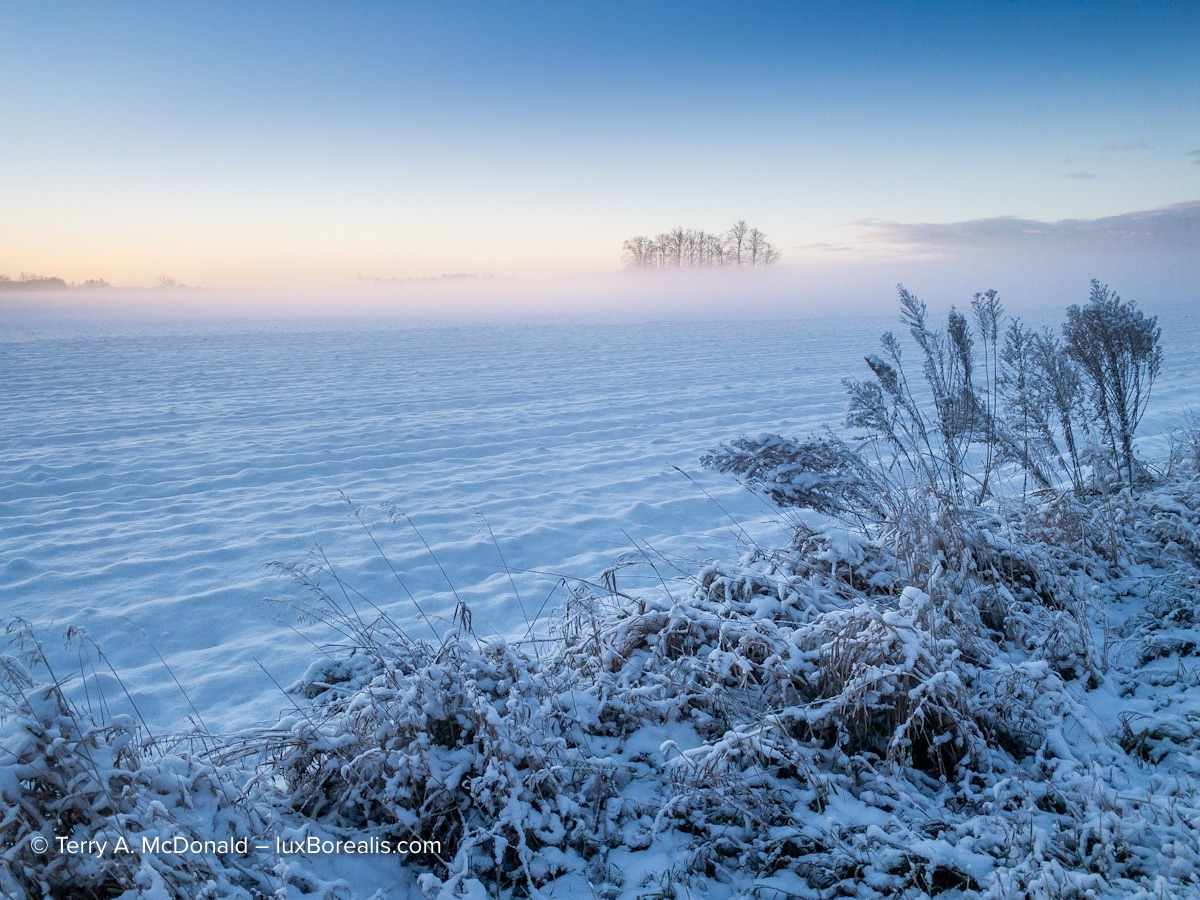
iPhone 11 Pro • Lightroom
This image makes a lovely 9×12” print. Framed and on the wall, no one ever questions its origin.
Travel Photography: Inconspicuous
You’ll notice that many of the phone photos shown here are from overseas. There’s a reason for that. When I say ‘inconspicuous’, I’m not talking about being deceptive. What I mean is, I can slide my phone out of my pocket, take a shot and slip it back in. Sure phones are a target for theft, but nothing screams ”tourist” louder than a camera strung around a neck or a camera bag clinging to one shoulder, or worse, put down on a bench while the carrier rests their weary neck or shoulders.
Note: When travelling, I now carry my ’proper’ camera, as well. No longer the heavy 35mm sensor Nikon, but a much more svelte Olympus OM-1 which hangs under my arm, on a shoulder strap—out of sight, out of mind. But I’m still more likely to use my phone camera for . . .
Street Photography: Ubiquitous
This is where a phone camera really works in my favour, especially when travelling. Unlike an ‘expensive’ camera, no one pays much attention to a phone. This makes me chuckle, as many phones are more expensive than many camera+lens kits.
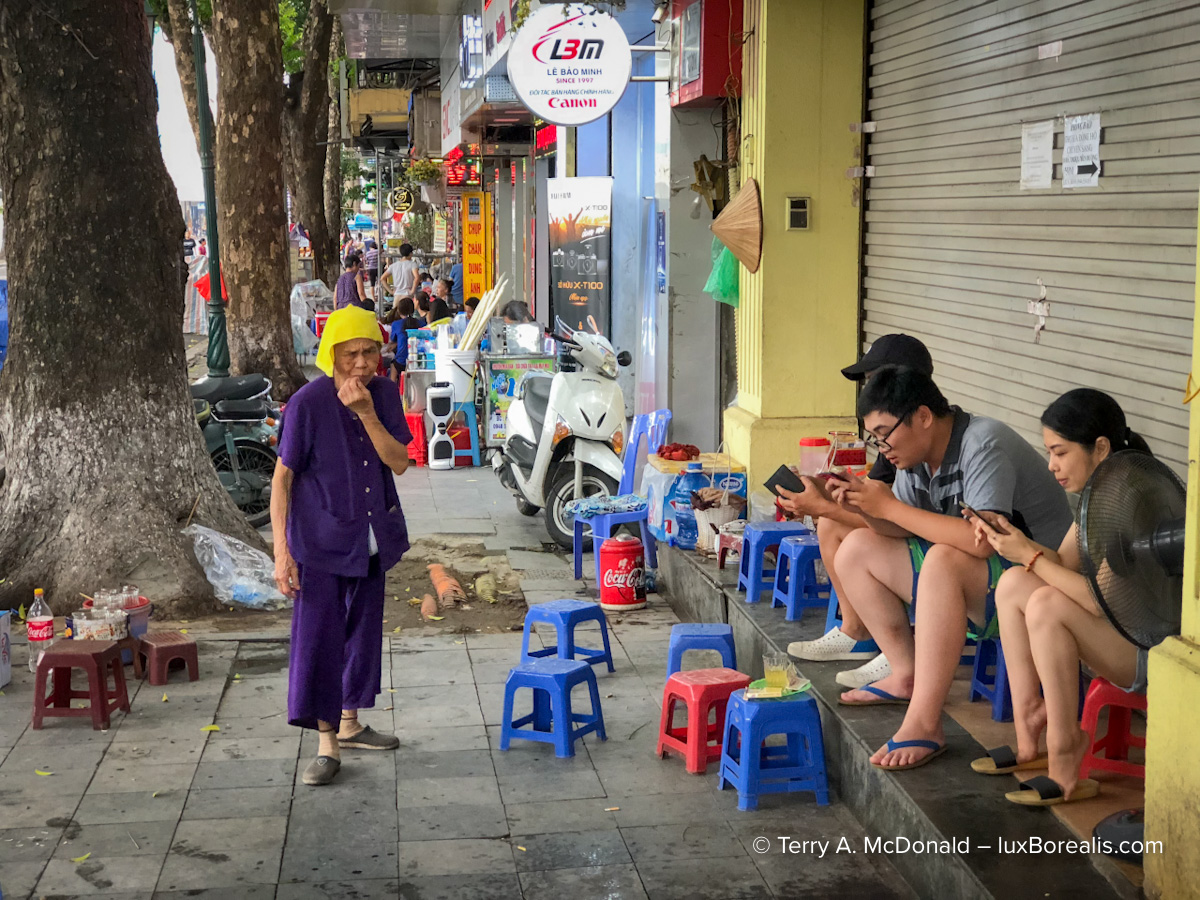
iPhone 8 Plus • Lightroom
Because of this ubiquitousness, I find that when I ask someone if I may take a picture, in a market stall or on the street, they are much more obliging with a phone camera than with a ‘proper’ camera. They don’t know the difference between a $1000 Canon R100 and $10,000 Canon R1 — all they see is an intimidating, professional camera. With a phone camera, people are much more at ease. I don’t want stiff, deer-in-the-headlights expressions; in the short time I spend with someone, a phone camera is much more likely to capture a more natural expression.

Panos
What can be simpler than switching to Pano mode and slowly panning your phone to capture a grand view? And phones do it correctly, automatically. Shooting on the vertical ensures the highest possible resolution—all 3800 to 4000 pixels of an iPhone 17, plenty large enough for a 16” pano print or a 20” canvas.

iPhone 11 Pro
A ‘proper’ camera, must be turned vertically which, in itself, is awkward. Then you must shoot each individual frame, staying perfectly horizontal as you twist around, while being sure to overlap by 20 to 30%. Then the frames must be stitched in your editing app. Without a computer handy, you have no way of knowing how well it turned out. With a phone, it’s instantaneous; if it’s crap, you can do it again.

iPhone 11 Pro — With people moving, it took three attempts to get it just right.
Introducing Movement
I still remember the day my tech-savvy daughter showed me how to get slow shutter speed effects using ‘Live Photos’ on my iPhone. Fantastic! At the time, the only way I could achieve beautiful flowing water was with my ‘proper’ camera. I carried around neutral density filters for the lens and a tripod to hold everything still.
Live Mode became a game-changer! I could now travel sans ND filters and tripod and still capture great motion photos. This is innovation!

iPhone 11 Pro; Live Mode (left) converted to Long Exposure (right)

Aside: That was then, this is now. My current camera, an OM-1 has Live ND and incredible stabilization. I no longer use my phone for movement photos as I can capture even better motion photos, still without carrying ND filters or a tripod, but more on that later.
Video
I’m a still photographer, so I don’t shoot a lot of video. If can’t say what I want to say in a single image, then a two or three minute video isn’t going to change that. However, when I do shoot video, it’s with my phone. Why? Because it’s convenient. And it’s darn good!
I’m not out to make an Oscar-winning shorts. I want to capture what it’s like to be in a moment that has visuals and audio—something I can’t capture with stills. Phone’s are so intuitive when it comes to video. Here’s an example:
The Year 7 Maasai students wind up their morning session of classes by singing and dancing a traditional Maasai song with their teacher leading.
Video is easier with most phones than it is with a proper camera. Stabilization is excellent with output to 4K—more than you’ll ever need. Even pros are using iPhones for high-end video.
Phone cameras are even better in the hands of a photographer
And here’s the rub. It’s not the camera that creates a photograph, it’s the photographer, every time. The photographer ‘sees’ the potential, then pieces together the design, composition, aesthetic elements and timing to capture that magical moment. But, with phones removing the tech of aperture, shutter speed and ISO, users are free to concentrate on what’s in front of them.
What phone companies have done better than the Holy Trinity of camera manufacturers (Sony-Nikon-Canon or SoNikCan), is they have innovated. Their user-centred innovations have reduced the friction between user experience and amazing photos. That’s what people want! Not bigger and more techie, but simpler with great results.
Most camera manufacturers have relied too much on the “bigger is better” paradigm and have left behind the average person who does not want to be saddled with a larger heavier camera around their neck, just because it makes marginally better photos with more megapixels. How big is big enough? How good is good enough? The phone companies have answered both, very successfully.
A lack of innovation
But — a phone can’t be all things to all people. There are niche areas that phones struggle with. But let me point out that, except for a few bodies from OM System, these are the same niche types of photography that almost every other DSLR and mirrorless cameras struggles with — still!
It’s not the camera, per se, but rather the lack of innovation by camera manufacturers. Yes, they have added megapixels. Yes they have added video, but so have phones. In fact, phones are being used to make movies—and not just low-budget documentaries and shorts, but full-length feature films as well.
True innovation in a ’proper’ camera
So here is where I make a departure. If you are going to buy a proper camera, then make sure it does more than your phone camera. Not more megapixels. That doesn’t matter. What you should look for is innovation to make great photography more seamless. One camera manufacturer stands out for their consistently innovative solutions, for the past twenty years. They have solved problems that SoNikCan have missed the boat on and are only now catching up with, albeit slowly and incompletely.
The problem is, we live in a culture that has successfully brainwashed us into believing that size matters. Bigger cameras and bigger lenses with more megapixels must be ‘better’ than smaller cameras with fewer megapixels. That’s the mob mentality and they might just take it to the grave, like the medium and large format manufacturers of 100 years ago, when the miniature “Leica” was introduced. Phone cameras have understood the paradigm shift. So has Olympus / OM System.
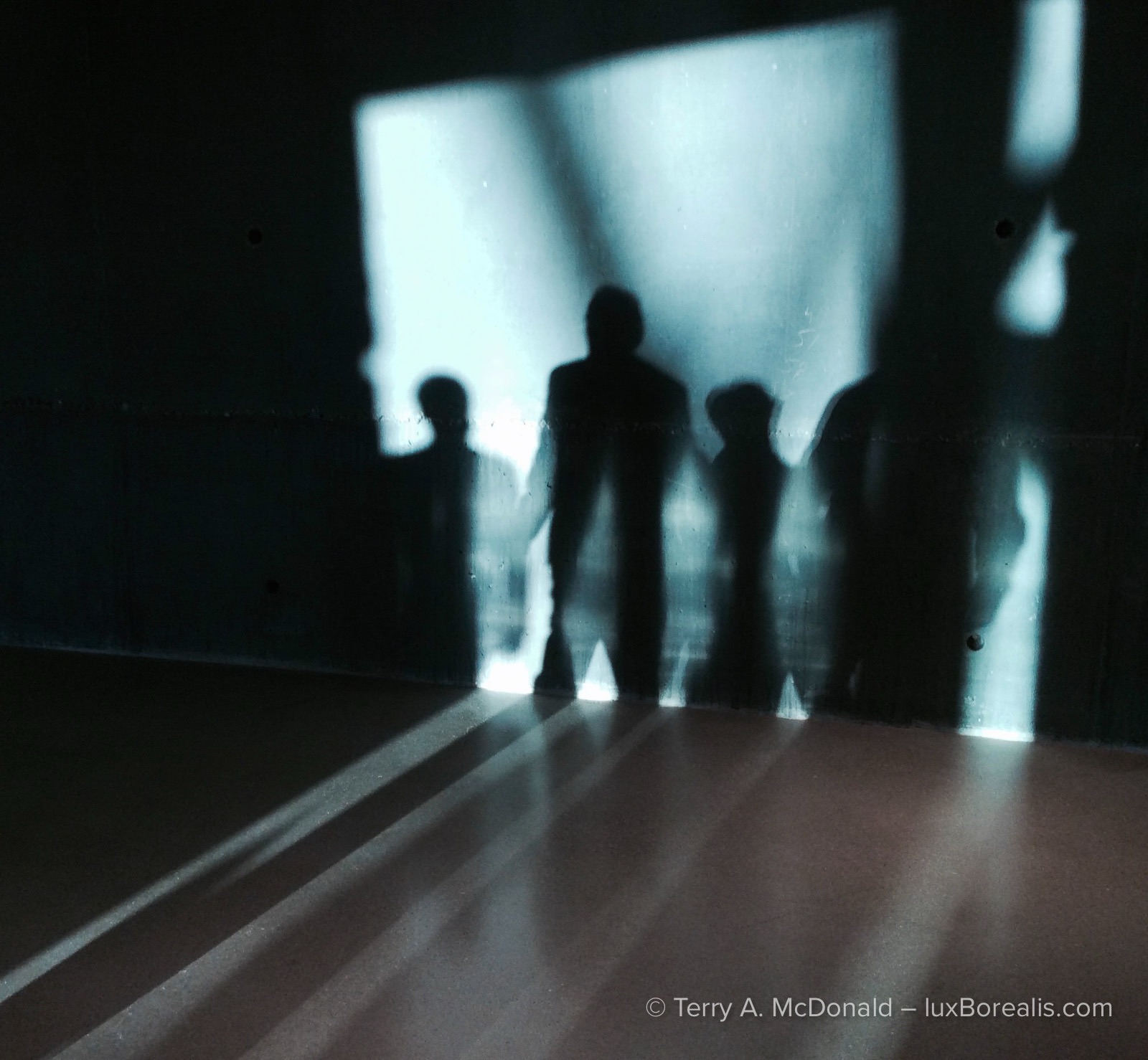
Made with a 1st generation iPad Air
I am not suggesting that everyone ditch their ‘proper’ camera for a phone. No. What I’m advocating for is innovation. The kind of innovation that Olympus / OM System has been showing for over 20 years. Rather than simply following the leader and piling on the megapixels, they have taken a high-end, stacked BSI CMOS sensor and built a professional system around it, with amazingly innovative features that add to the excitement of photography. For example . . .
Star Trails
Introduced way back in 2012 (!!) Live Composite allows users to set the camera on a tripod and capture star trails, just like we did back in the film days. No external compositing needed, so you don’t need to assemble hundreds of files on a computer. It’s all done in-camera—as you watch—i.e. it is truly live. And the results are extraordinary. For those who really get into it, they can still do external composites, but now, star trails are in the hands of anyone with an OM camera and a tripod. And this has been the case for the last 14 years.
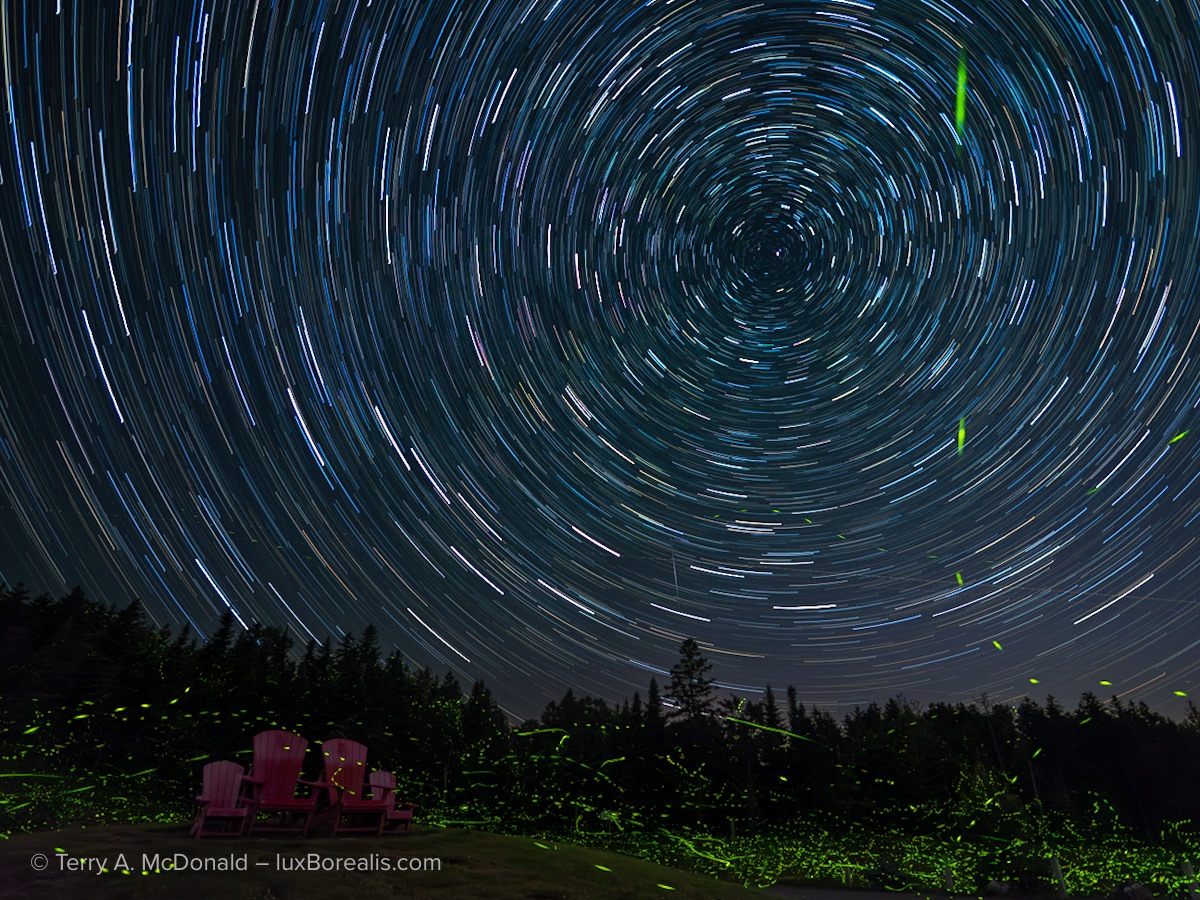
OM-1 w/ Panasonic-Leica 9mm/1.7 (18mm efov) • ƒ2 @ 40x60sec exposures using Live Compsite • ISO 400 • Lightroom
Hocus Focus
When automated, handheld, in-camera Focus Stacking and Bracketing was introduced by Olympus in 2015, it was an immediate hit with macro photographers and has since been adopted by landscape photographers. You enter the number of photos you want and the differential and the camera will make the exposures and composite them in-camera. If you choose, it will render a final JPEG along with each of the raw images used to make the composite; that way, you can do you own composites afterwards, if you choose. High end Canon and one Sony model will do this, but they are limited to 10 frames. That’s it! OM will combine up to 15 frames in-camera or shoot up to 999 frames bracketed. No other camera can do this.
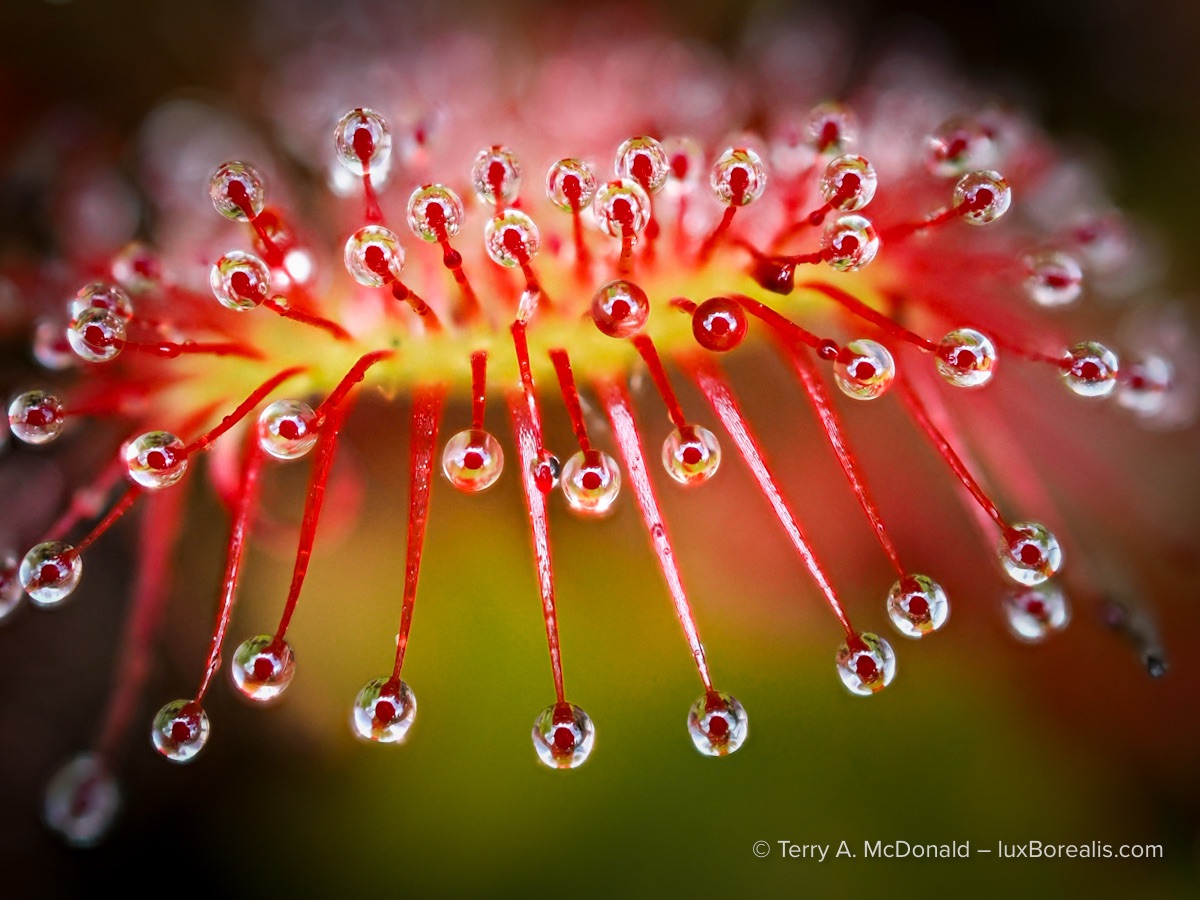
OM-1 w/M.Zuiko 60mm/2.8 Macro (120mm efov) • ƒ4 @ 1/125 • ISO 800 • 10-image Focus Stack • Lightroom
Before the beginning of time
Olympus introduced Pro Capture in 2016. For the last 10 years, bird photographers have used it to capture truly unique photographs of birds and insects taking off and landing. But it is also used for studio work, photos of water splashes, balloons bursting, you name it—any situation where instant timing is critical.
Hold the shutter release halfway down and the camera begins continuously spooling images to the buffer. Release the shutter and the last second or two of images are saved and some after release, as well, depending on the parameters set by the photographer.
The advantage of OM System, is that the OM-1ii, for example, can capture raw files up to 50 frames per second with autofocus and autoexposure for each of those 50 frames. No other system comes close.

OM-1 w/M.Zuiko 100-400mm/5-6.3 at 400mm (800mm efov) • ƒ8 @ 1/2500 • ISO 3200 • Topaz + Lightroom
More than meets the eye
Pixel-shift technology has been recently introduced in some high end mirrorless cameras, but Olympus / OM System has had it since 2016, called High Res. Users can choose between 50 MP handheld high res (HHHR) and 80 MP Tripod HR. While other manufacturers have Tripod-based high res, only OM cameras have a handheld mode without the limitations imposed by other manufacturers.

OM-1 w/M.Zuiko 12-100mm/4 PRO at 12mm (24mm efov) • ƒ8 @ 1/250 • ISO 800 • 50 MP HHHR • Lightroom
Love in Slow Motion
As I wrote above, one feature of phones that clearly outshines every DSLR or mirrorless camera except OM, is the ease of capturing movement such as waves, rivers and waterfalls. No tripod. No ND filters.
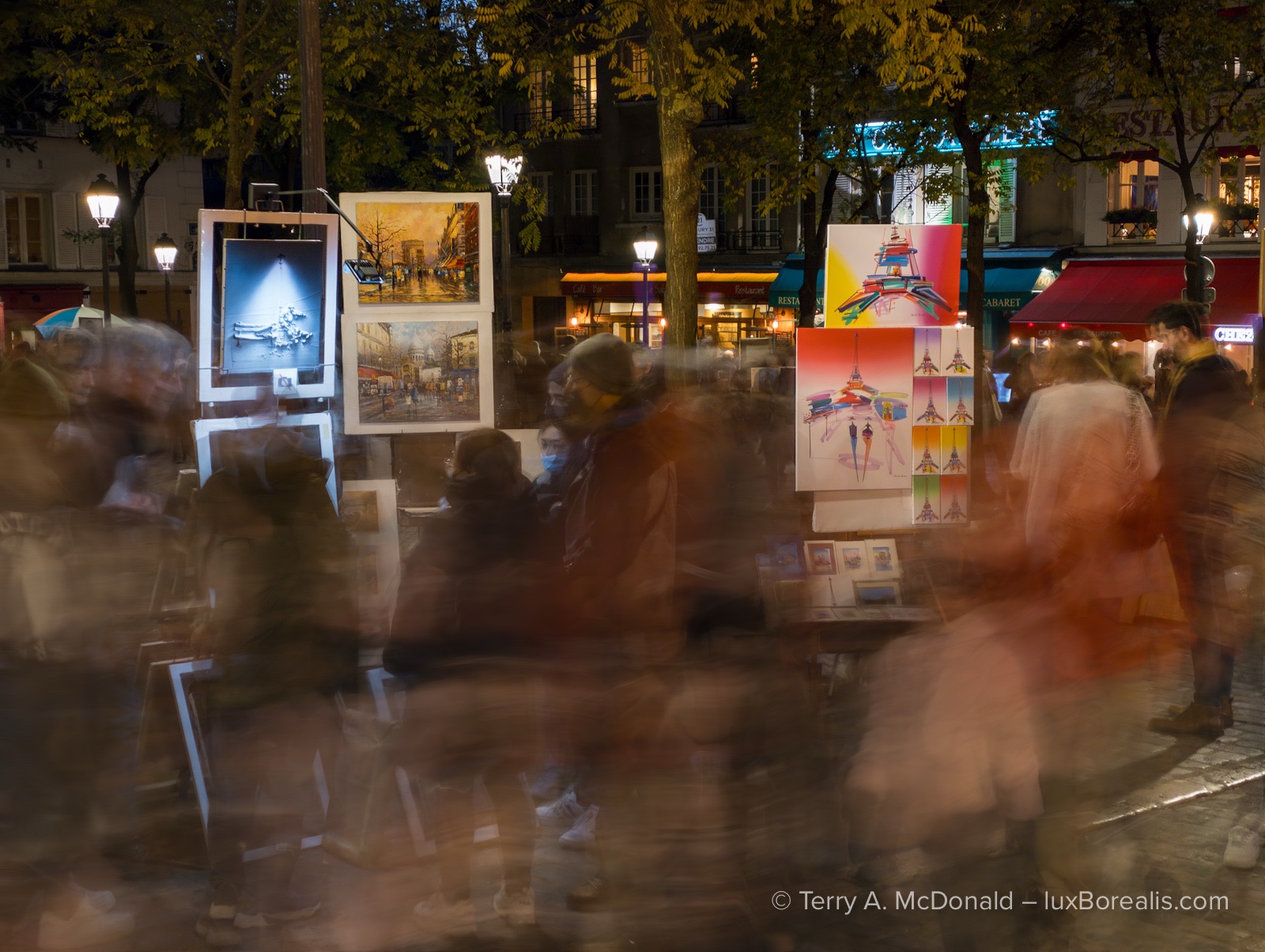
iPhone 11 Pro
Since 2019, Olympus / OM System cameras have had Live ND mode. Choose from ND 2 up to ND 128 and handheld—yes, without a tripod—you are capturing moving water. It is that easy and very effective! No gimmick here.

OM-1 w/12-100 at 12mm (24mm efov) • ƒ9 @ ½ sec. • ISO 800 • Lightroom
Note the shutter speed. Handheld.
A Sky Full of Stars
Last, but not least, since 2020, OM cameras have had Starry Sky AF. Perhaps the most difficult thing in photography to focus on are stars. With modern electronic lenses, the infinity setting does not work. Cranking out a lens to maximum focus distance does not work. You need to switch to a magnified view. With OM, just use Starry Sky AF. Works every time.

OM-1 w/ P-L 9mm/1.7 (18mm efov) • ƒ2 @ 15 seconds • ISO 3200 • Lightroom
It’s not like any of these innovations can’t be done in other ways with other cameras. What Olympus did (and OM System continues to do) is to reduce the friction to make them accessible with a shallower learning curve and easier tech than the alternatives.
The one innovation I haven’t mentioned so far, and one that allows many of these other innovation is IBIS—In-Body Image Stabilization. Olympus pioneered it back in 2003. Konica Minolta did as well, then sold their camera division to Sony who adopted IBIS in 2006, But Canon and Nikon didn’t have it until 2016. OM System is still recognized as the industry leader with 8.5 stops of stabilization. And that makes a HUGE difference, especially for landscape photography and telephoto photography of wildlife and birds.

OM-1 w/12-100 mm at 23mm (46mm efov) • ƒ5.6 @ 1sec. • ISO 3200 • DxO and Lightroom
Note the shutter speed. This photo was made without a tripod and without any other support other than good handholding technique and IBIS.
So where does this leave us?
I’ve been looking over my photos from the last 20 years and note that since I switched from 35mm sensor Nikon to using an OM-1 system three years ago, I have stopped using my iPhone for anything beyond sketching. Why? Being half the weight of my Nikon system, my OM-1 is far more portable. My ‘walk about’ lens, a 12-100mm/4 (24-200mm/4 efov) is superior to anything from Nikon. And, with modes like Live ND and Focus Stacking built in, I don’t need to lug around a tripod. Except for astrophotography and eclipses, I’ve stopped using a tripod altogether.
Depth-of-Field
Something we don’t talk enough about with OM is the added advantage of depth-of-field. At ƒ8, I get the same DoF as ƒ16 on a 35mm sensor system. That’s two extra stops of light (2 EV) which allows a shutter speed four times faster. This, combined with IBIS, means I can handhold just about anything.
Alternatively, I shoot at ƒ4 and use Focus Stacking.
Size and Weight
The other advantage I’ve found is with my telephoto zoom. I use a 100-400/5-6.3, equivalent to a 200-800mm/5-6.3 35mm sensor lens. It is half the weight of the Canon 200-800, which is also a slower ƒ6.3-9 lens. No thanks. I’m much happier handholding my 100-400 all day.
The importance of this cannot be overstated, especially with an aging population and a generation who are far more willing to hop on a plane to travel.
Currently, I carry every focal length from 16mm to 800mm (in 35mm sensor terms), including a 60mm/2.8 macro lens, all in a sling bag that weighs in at less than 5kg. It is my ‘personal item’ in airline parlance, not my carry on and not my checked luggage. That’s significant.

OM-1 w/100-400 at 227mm (554mm efov) • 8 @ 1/15 • ISO 6400 • Lightroom
And, to dispell yet another small sensor myth, note the ISO of 6400 –– colours and detail at high ISO.
The elephant in the room . . .
Okay, so my OM-1 captures 20 MP images, not 46 MP or 61 MP. 20 MP. Am I bothered? Not in the least (and I used to shoot 6×7 and 4×5!) It’s called perspective. At 3888×5140 pixels, my files are large enough for anything up to 13×19” in size, without breaking a sweat. And 16x20s will compete with any 16x20s on the wall anywhere. If I need larger, then Topaz Gigapixel (now built into Adobe Lightroom!) is at my fingertips. And the details are just as sharp, if not sharper.
One can argue that anything larger than 20 MP is ‘dinosauric’. Bigger is better sure didn’t work for them! Actually that’s a good analogy, as dinosaurs are still with us, but in a smaller version. We call them birds. But that’s a whole other line of thinking.
So, for me, I now have the best of both worlds. My phone for grab shots, street photography, and for sketching. And my ’proper’ camera, an innovative, thoughtful system, to cover the niche areas of photography that demand specialized techniques and lenses. If this isn’t your thing, then use your phone and really work on the ”seeing’ and story-telling. That’s photography.

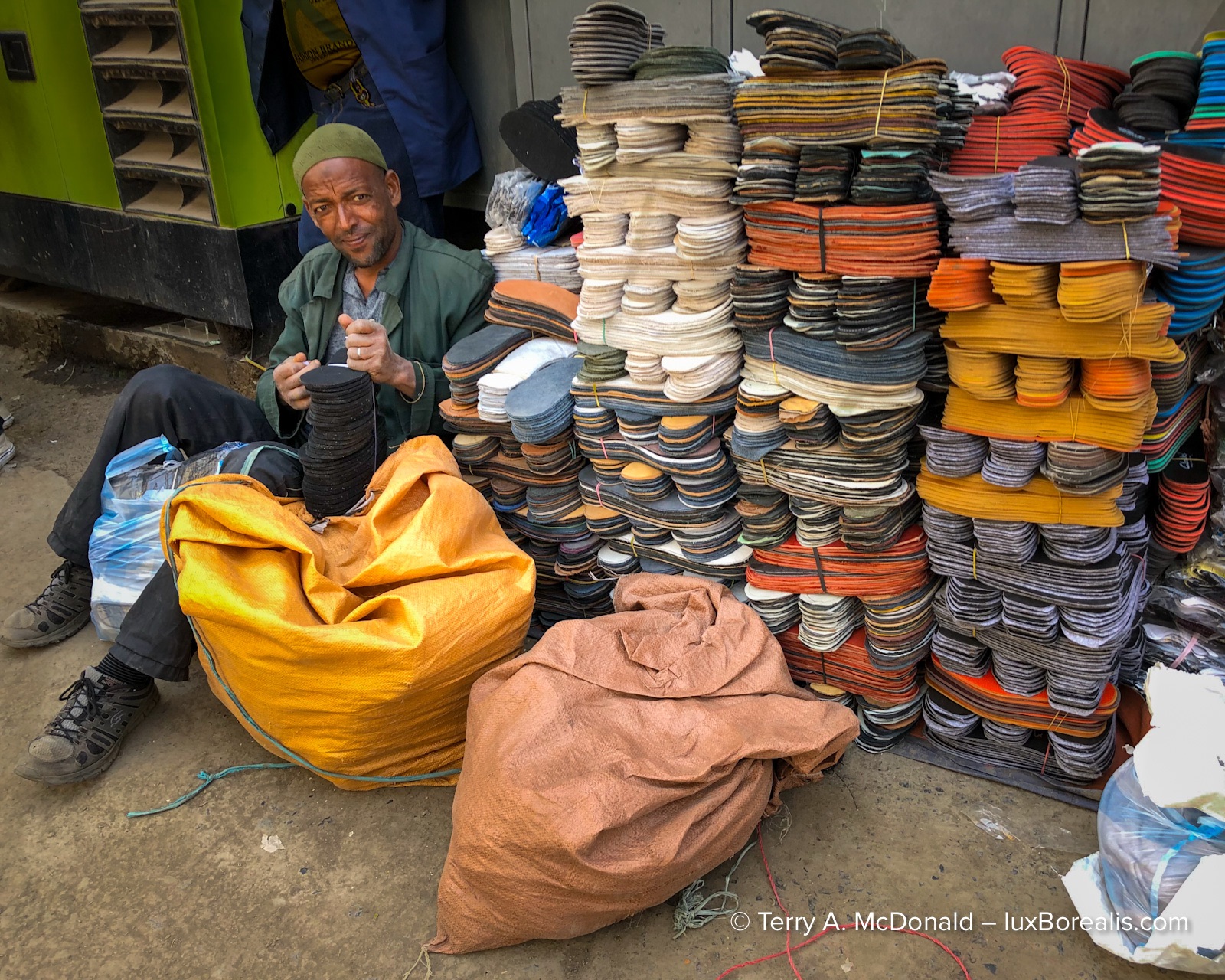
iPhone 8 Plus • Lightroom
Thanks for reading. Be sure to continue the discussion by adding your COMMENTS, questions or observations and feel free to SHARE this post with others.
NOTE: This blog is completely free and does not use commercial affiliate links. To help keep it free, consider buying me a coffee . . .

Discover more from luxBorealis Blog
Subscribe to get the latest posts sent to your email.
 luxBorealis Blog
There’s a lot to think about in this blog, Terry. Thank you — it has helped me to think about my next cellphone, as I am in the market for a new one. I’m surprised to learn that some of your photos in this blog (and ones I’ve seen before, that are favourites) were taken with a cellphone. As you have said — no apologies necessary, "just because they were taken with a phone"!
Terry, as I began this blog, I anticipated that I would be purchasing an updated iPhone (currently 13 Pro). Having finished your article, I’m happy that I won’t have to go to the bank just yet. Your images are amazing, as usual.
A fantastic argument that needed making! Phone photography can still be photography though a proper DSLR can make that photography into art! Fantastic read Mr. McDonald!