Wildlife and birding photographs from Costa Rica

2346 words; 34 photos; 12-minute read
I’m writing this on our last day here in Costa Rica. It’s 20°C in San José, and the sky is overcast. Earlier we had a light sprinkle of rain. Although it’s the wet season, rain has not been a factor in our three weeks here. In fact, we’ve had many beautiful days of sunshine, though it usually came with 30+° temps and 100% humidity.
The view from our balcony at the Hotel Bougainvillea is a near 10-acre spread of beautiful tropical gardens and ponds filled with flowers, birds and butterflies. Frogs and owls call at night, but right now it’s the raucous parakeets and parrots who are making their presence known. In auditory relief, the musical duets of Melodious Blackbirds are echoing from tree to tree.

OM-1 | M.Zuiko 12-100mm/4 PRO at 57mm (114mm efov) | POL | ƒ5.6 @ 1/800 | ISO 800 | Lightroom
The smouldering mass of the Arenal volcano looms over the surrounding forests. Active as recently as 2010, a plume of steam still rises from the top.
Birds have been our specific focus for much of the trip as we were two of 12 participants on an Eagle-Eye Tours birding tour. Collectively, we recorded 337 species which, from what I’m told, is a huge number. Given that Ontario has a total of 511 recorded species (ever), I guess seeing 337 species in 12 days is significant. This is thanks to our guides, Ernesto and Jody, who were, bar none, the most knowledgeable and perceptive guides I have ever worked with. It also helped that the folks on our tour were also excellent birders. Me? I spent my time looking for ideal backgrounds in a very busy space of tropical plants, pointing the camera, and patiently waiting for each bird to make its appearance, hoping I had enough light.
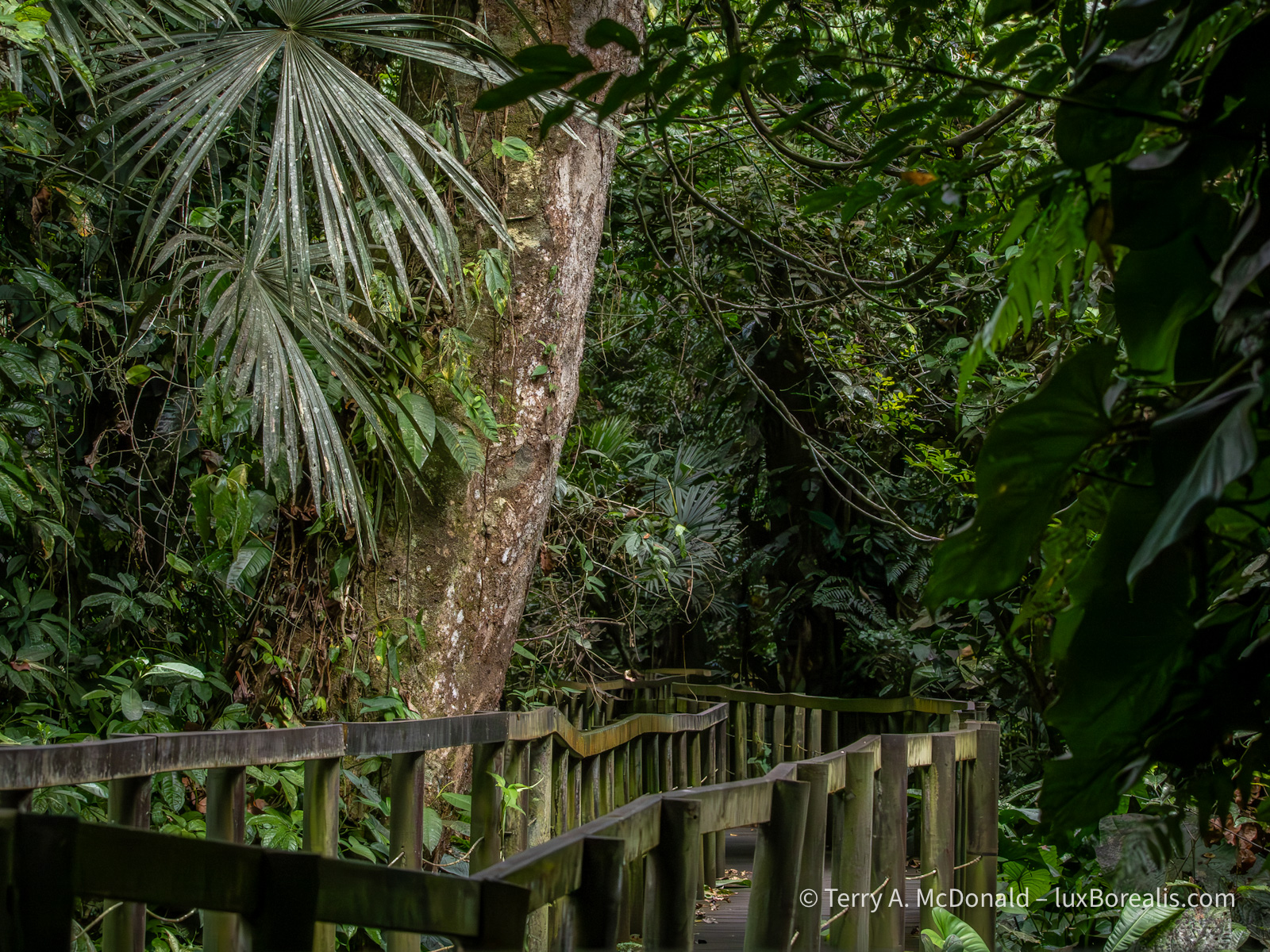
OM-1 | 100mm (200mm efov) | ƒ11 @ 1/1000 | ISO 12800 | Lightroom
Not only are rainforests hot, damp and dark, they have a kaleidoscope of green layers both vertically and laterally, allowing birds, frogs and insects to be heard, but rarely seen. In this scene, there appears to be lots of light, and I could have shot at ISO 1600, but with birds in the leafy shadows, I had the ISO set for action, not still life.
In a typical day, I had between 20 and 40 opportunities when birds or other wildlife were close enough for decent photographs. I translate ‘decent photographs’ into:
- the bird is close enough for a clear image without too much cropping;
- the light is contrasty enough to show their amazing colours;
- the background isn’t a milk-white sky as we often had, nor a jigsaw puzzle of distractingly glossy leaves with annoying highlights;
- there is enough light to keep ISOs at or below 12800; along with
- a high enough shutter speed to freeze my movement at high magnification and that of the bird.
It seems simple enough, but these ideal conditions simply did not occur as often as I liked. There were times when I shot absolutely nothing, despite seeing dozens of different species. Most were simply too far away, even with an 800mm equivalent zoom. I have more photos of beautifully coloured birds silhouetted against a white sky than I’d care to disclose. A waste of pixels, no matter what camera system is being used. Oh well. Despite the limitations, I think I have a fair crop of decent photos.
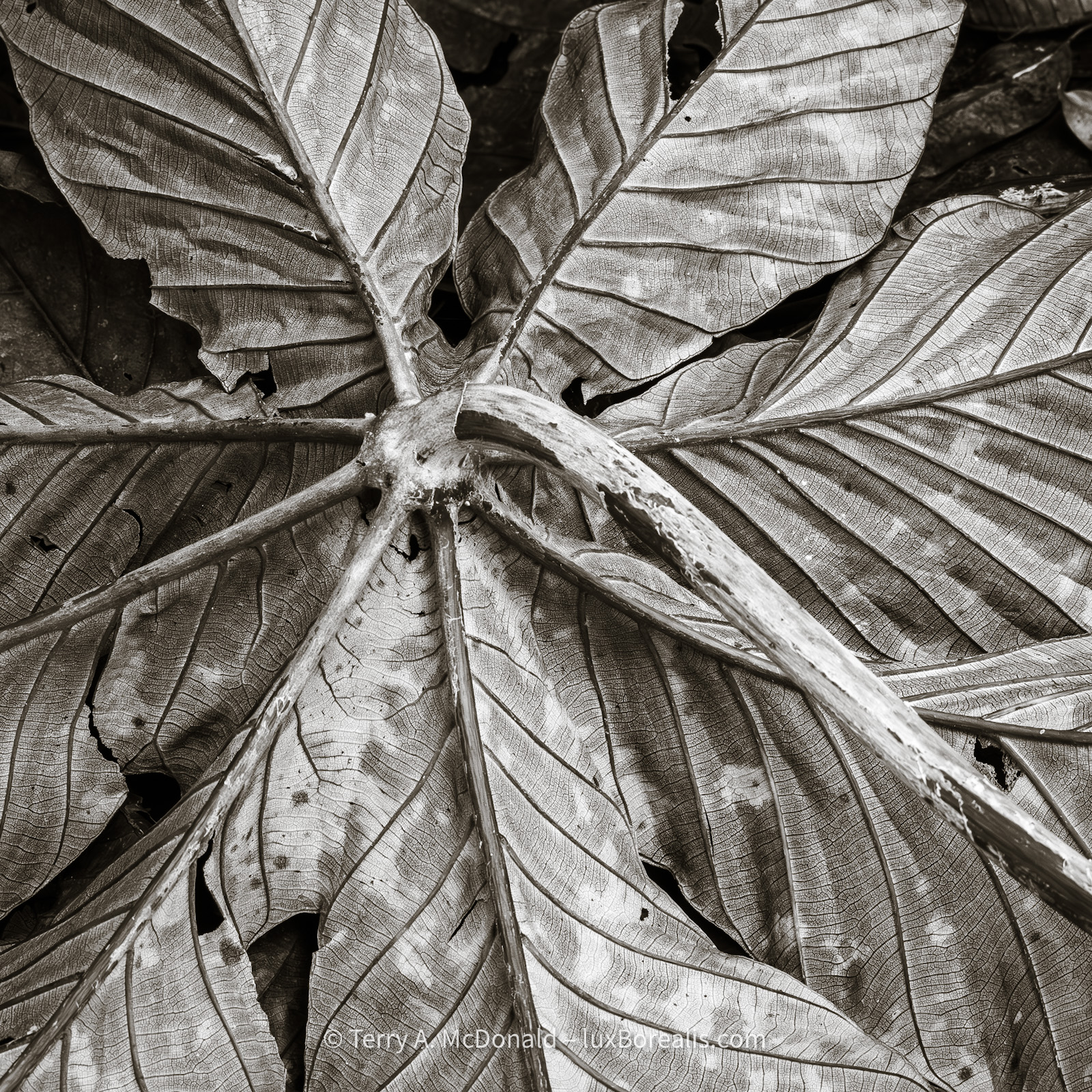
OM-1 | 123mm (246mm efov) | ƒ11 @ 1/160 | ISO 3200 | Lightroom
With the bulk of the birding part of our trip over (though true birders are always on alert), I began turning my attention to details in the forests. I photographed this both with focus stacking at ƒ8 and this version, a single shot, at ƒ11. They are both very similar, but I chose this version due to the slightly better composition.
I can honestly say, I’ve culled from thousands of captures, about 300 which I am happy to share. Many of them are repeats of the same species, and many have more meaning to me, personally, than to you, the objective observer. I hope the 24 I’ve chosen to share give you a sense of the experience.
As I always state up front, my goal in photography is capture the essence of place and the art inherent in nature. I think I’ve achieved that in this set of photographs. Ansel Adams always maintained that ”twelve significant photographs in a year is a good crop”. The 30 I’m presenting here aren’t all ‘significant’, but given the stunning colours of the birds, it’s hard not to include them.

OM-1 | 400mm (800mm efov) | ƒ8 @ 1/4000 | ISO 3200 | Lightroom
The industriousness of leaf-cutter ants is miraculous. Thousands of steps from their nest they climb a tree or shrub, cut the leaves and carry them down to the nest. Along the way, there are ‘quality control ants’ which determine if the leaves being cut are still acceptable as, once the leaf-cutting starts, the plant defensively begins producing toxins to discourage the ants from stripping all the leaves. Ingenious! BTW, the ants don’t eat the leaves; down in the nest, the leaves are used to farm a fungus, which is what the ants eat. If this was written into a story, no one would believe it.
As the photographer, I’m responsible for ‘working’ the composition plus all the techy stuff of exposure and post-capture processing. The beauty is in what I am photographing. The colours run the whole gamut of the spectrum; the patterns and designs are simply wild. Honeycreepers with electric blue next to azure and black with glowing red legs. The shimmering colours of hummingbirds changing in the light, blinking on and off like disco lights—amazing!

OM-1 | 400mm | ƒ8 @ 1/640 | ISO 3200 | Lightroom
Strikingly coloured, especially against the dark green of the forest, as if it’s being lit from inside.
Perhaps the most memorable moment of the trip was stopping along a highway busy and loud with transport trucks carrying bananas and pineapples to the port of Límon. The show was happening above us: thousands upon thousands of turkey vultures, black vultures, broad-winged hawks, and Swainson’s hawks were migrating—swirling and kettling and streaming above us. We often see videos of the caribou migration in the Arctic or the wildebeest migration on the Serengeti Plain; this is just as impressive. The sky was filled with large raptors. Phenomenal.
Throughout the past few weeks I was constantly reminded of how exquisitely intricate, connected, diverse, and beautiful nature is, and how vulnerable it is to our disturbing human influences.
Costa Rica is regarded around the world as a gem of biodiversity, but even it is on the edge. National Parks, the only way to actually protect tracts of land large enough for wildlife, are woefully underfunded. And, like in Canada, unless protected by conservation movements, land that’s not in a national park is fair game for just about any development that comes along.
Much of Costa Rica is farmed and cash crops are their agricultural staple. We passed thousands of hectares of plantations: oil palm, bananas, pineapple, coffee, coconuts, sugar cane, papayas, mangoes. I’m not being critical of this, especially considering our ‘plantations’ of soybeans, corn, wheat, oats, flax, lentils, not to mention all the thousands of square kilometres of monocultural tree plantations across our country. But, to our collective surprise, we learned that Costa Rica has the most intensive use of pesticides of anywhere in the world, on a per capita basis. We watched as farm workers aggressively sprayed crops, by hand, with no protection other than the clothes they wore, rubber boots, and an apron. Some had gloves. None had masks. Scarey!
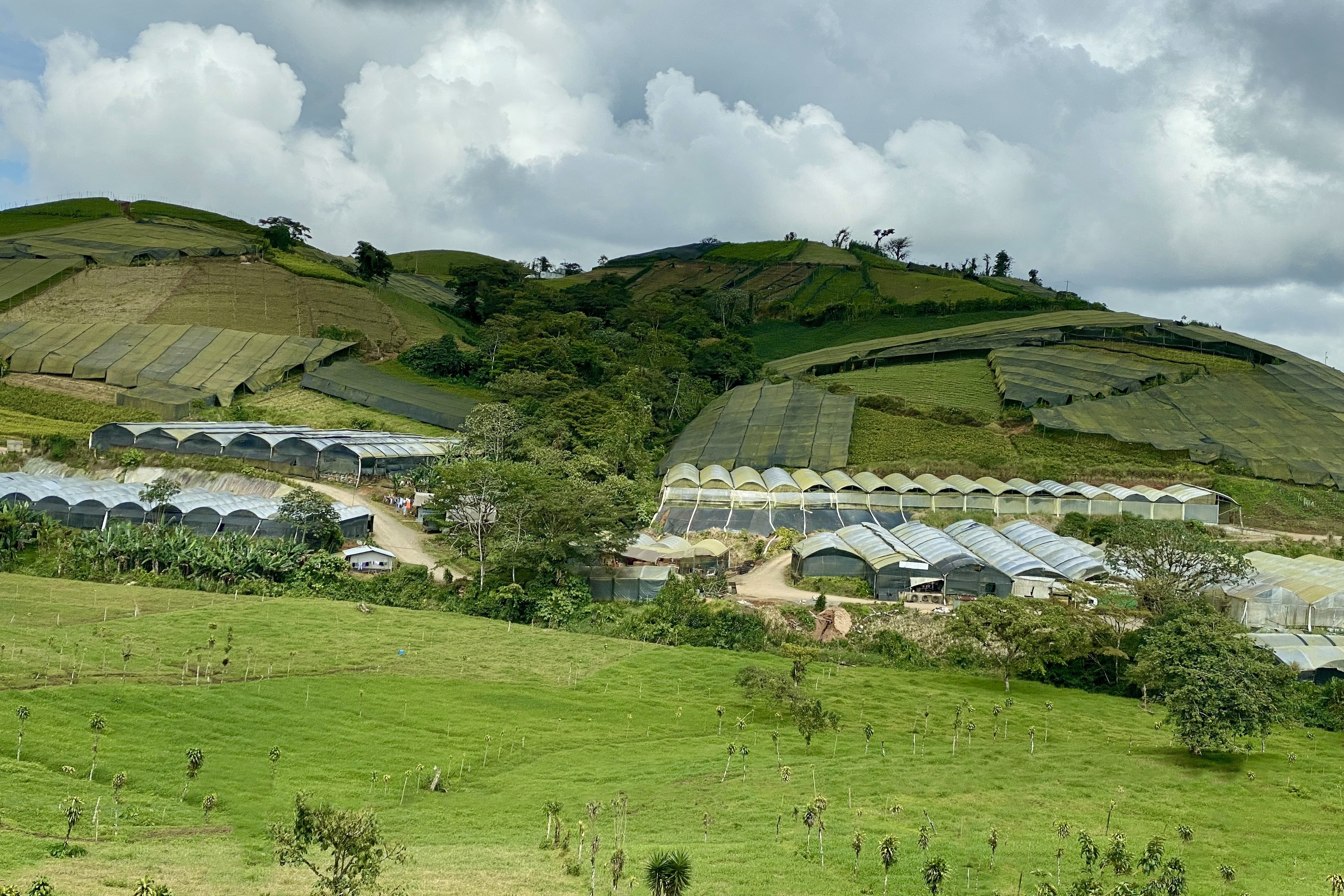
iPhone 11 Pro
Every wonder where your tropical house plants come from? Costa Rica is not all cloud forest and rainforest! A significant area is farmed for palm oil, bananas, and pineapples, amongst others. Oil palm plantations are the worst, though. We really need to stop using palm oil.
But Costa Rica is well-forested, right? It is, but half of the forested area is secondary forest. This means that, just like in southern Ontario, the original forest has been cut down. As ecosystems go, secondary forest may look good, but it is very incomplete. The point is, Costa Rica is green, but all is not as good as it seems. Eco-tourism is fundamental to Costa Rica, but there is also a lot of greenwashing going on.

OM-1 | 123mm (246mm efov) | ƒ8 @ 1/250 | ISO 400 | Lightroom
Rainforest leaves and vegetation are renewed regularly and quickly. Seeing a growing leaf with moss and lichen on it really stands out from the the shiny, new leaves of all the vines, lianas, shrubs and trees.
Why am I telling you this? Partly for context, but also to say that the incredible biodiversity that still exists in Costa Rica is highly vulnerable. Tourism that involves seeing wildlife and birds in their natural habitats definitely helps maintain ecosystems by providing reasons for protecting that biodiversity. However, mass- and over-tourism with the subsequent demands by tourists for food, water, extravagant accommodations, and sewage disposal all lead to an erosion of that diversity. It’s a balancing act that, so far, Costa Rica is doing okay with. Hopefully that will continue.
In Canada, when our governments don’t properly protect significant habitats, at least we have land conservancies and land trusts that use public contributions (that’s you and me!) to purchase ecologically significant parcels for permanent protection (Nature Conservancy of Canada, Bruce Trail Conservancy, Escarpment Biosphere Conservancy, to name just three). This idea is just getting off the ground in Costa Rica. One such organization is Cerulean.org: a group of like-minded, ecologically-conscious researchers who have joined forces to begin the process of protecting land essential to migrating birds and endemic species alike. They will soon begin fundraising to secure the beginnings of a new and critical nature reserve.

iPhone 11 Pro
Due to the fast decomposition of leaf litter and recycling of nutrients, the soil in rainforests is poor and thin, forcing trees to spread their roots near the surface. To better anchor themselves, trees develop massive buttressed roots, an idea borrowed by the cathedral-builders of Western Europe. The trees also rely on the surrounding forest to reduce the impact of winds.
Okay, enough waxing; let’s see more photos. For your viewing pleasure, I’ve set this up as a gallery that you can scroll through without having to come back to this text. Unless otherwise stated, all photographs were made with an OM Systems ‘Olympus’ OM-1 with the M.Zuiko 100-400mm IS zoom lens and processed in Lightroom. I really need to credit the outstanding IBIS stabilization of the OM-1 as well as its sensor. With 20 MP packed into a Micro FourThirds sensor, I am always amazed at the image quality, even at ISO 12,800. Thanks OM Digital Solutions and Lightroom denoise for helping me to look good!
I’ve included some notes in the captions, but if you have any questions about the animals you see or the techniques or equipment used to make the photographs, be sure to add a COMMENT or send me an email.
This blog is completely free and I do not include commercial affiliate links. To help keep it free, consider buying me a coffee. And, feel free to hit the SHARE button up in your browser to pass it along to others.

Click on any photo to open the Gallery. Camera settings are available by selecting the i button in the Gallery.
For more photos, see my two early posts about Costa Rica:
- 19 Oct: Photographing in the rainforest is bloody difficult, but oh so satisfying!!
- 25 Oct: Update: Bird Photography in Costa Rica


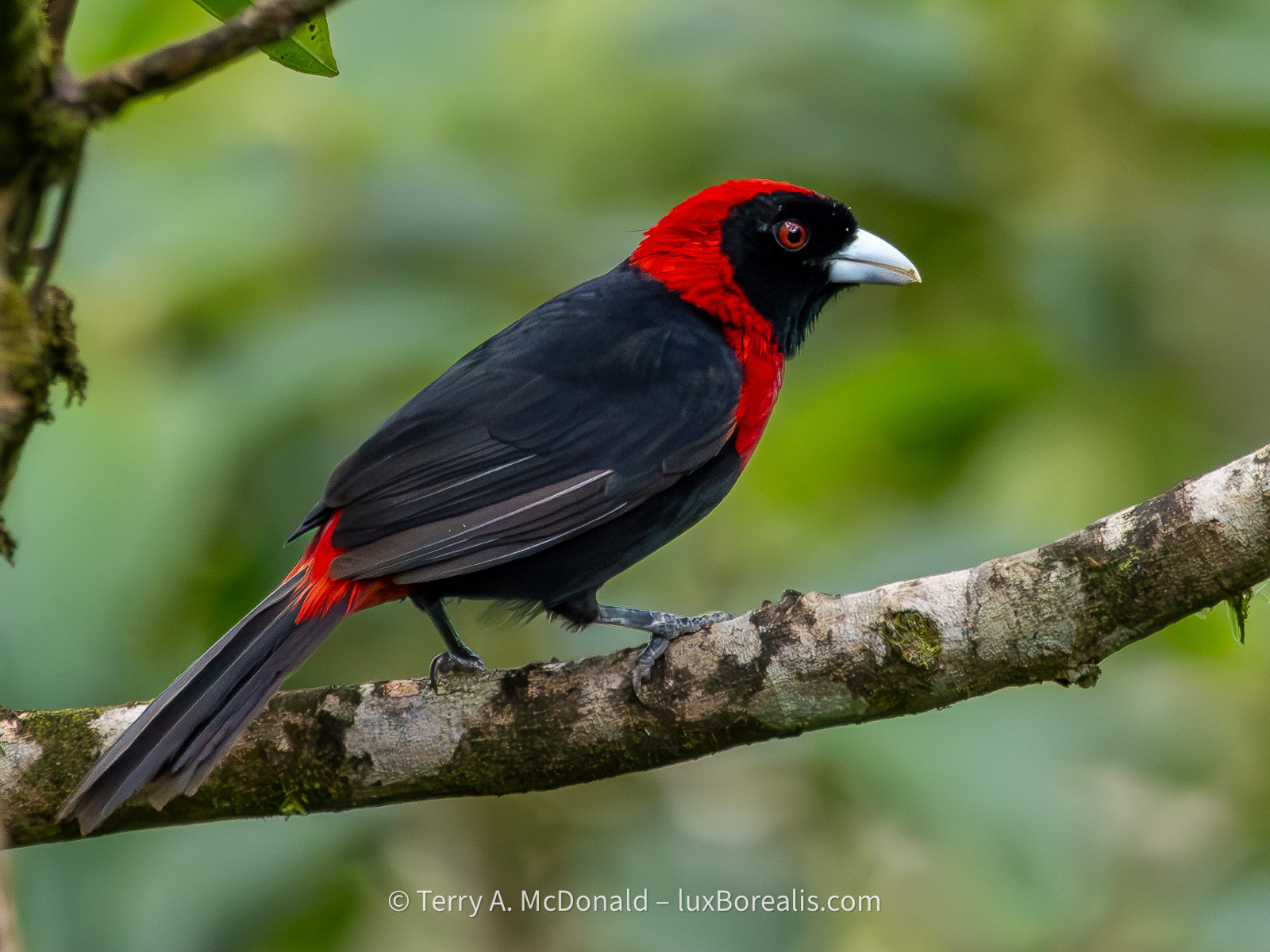
Even the immature male is colourful.

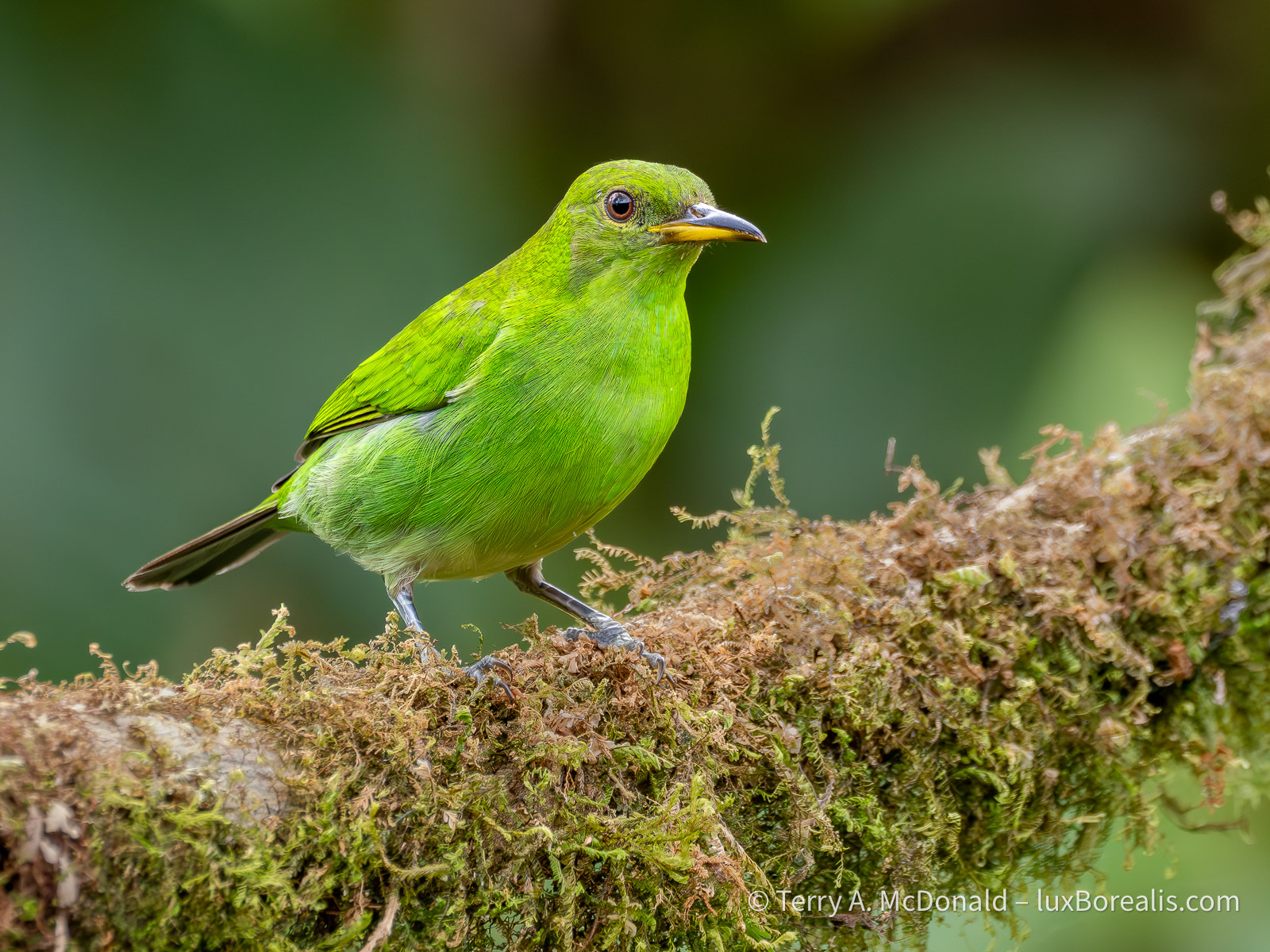
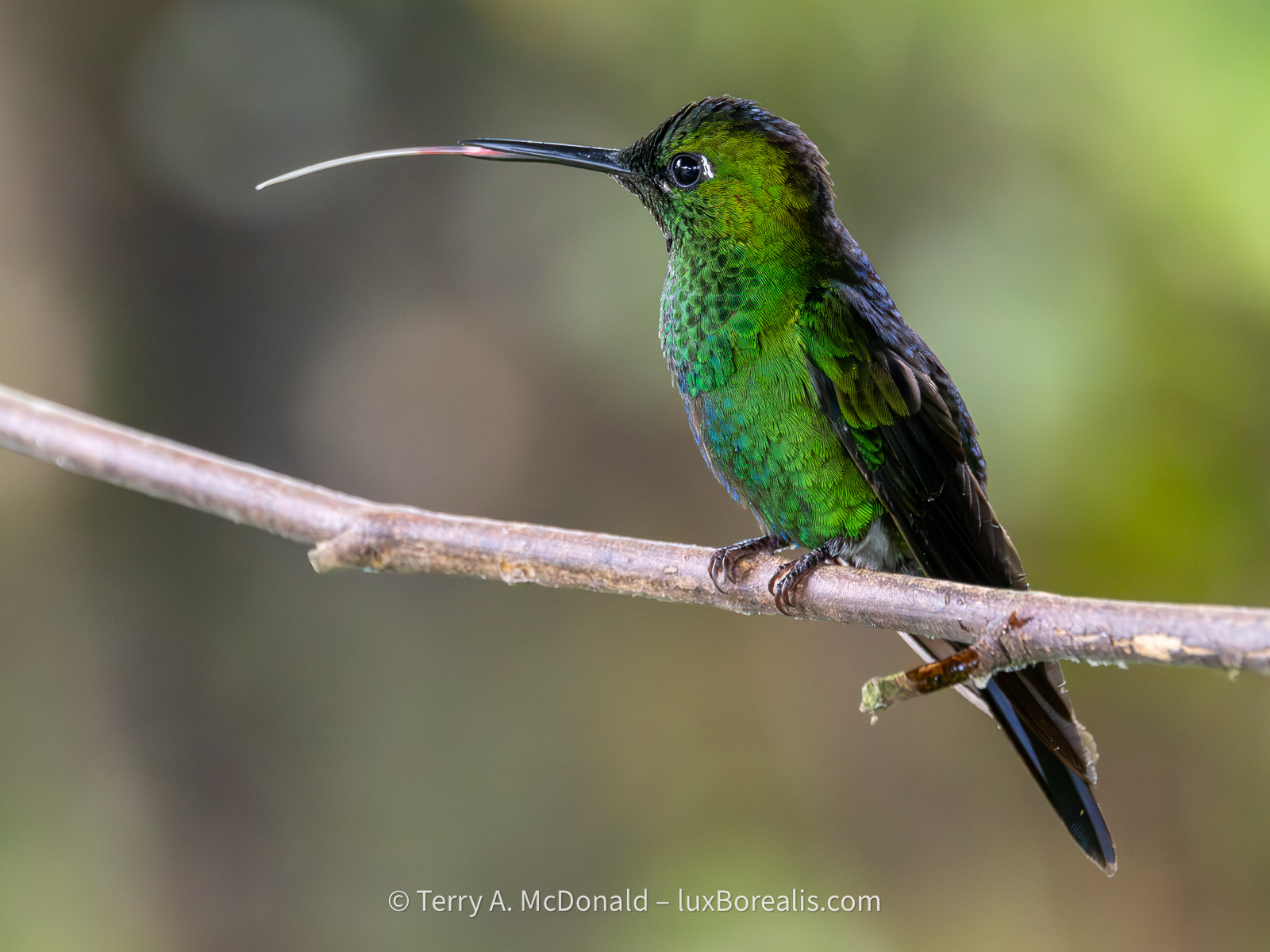
If you think this is green, wat ’til you see the male . . .

Neon tourquoise!


A quiet, forest bird which communicates with a quiet, owl-like ’mot-mot’.

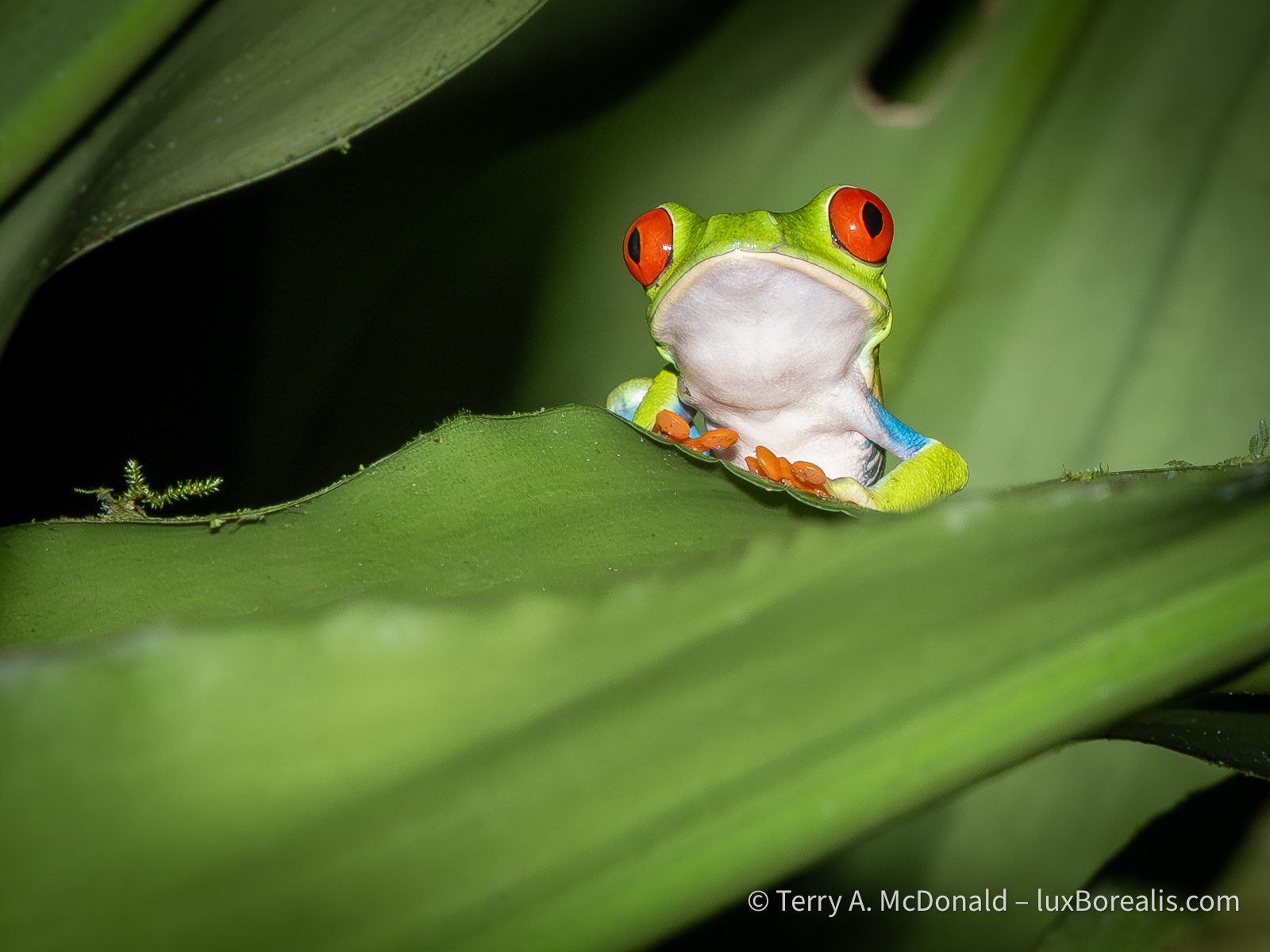
This must be the happiest, most content-looking animal around.

How our guide Ernesto saw this snake is incredible. It is only the width of a baby finger and maybe a hand-span long and was twirled around a tree, in the pitch dark.


This ‘fellow’ slowly navigated along telephone wires, past hibiscus flowers and leaves, to enjoy a meal of morning glory leaves.

This is the largest kingfisher in the Americas, as opposed to . . .

. . . the smallest kingfisher. This one was buried deep in the rainforest of Cahuita National Park.


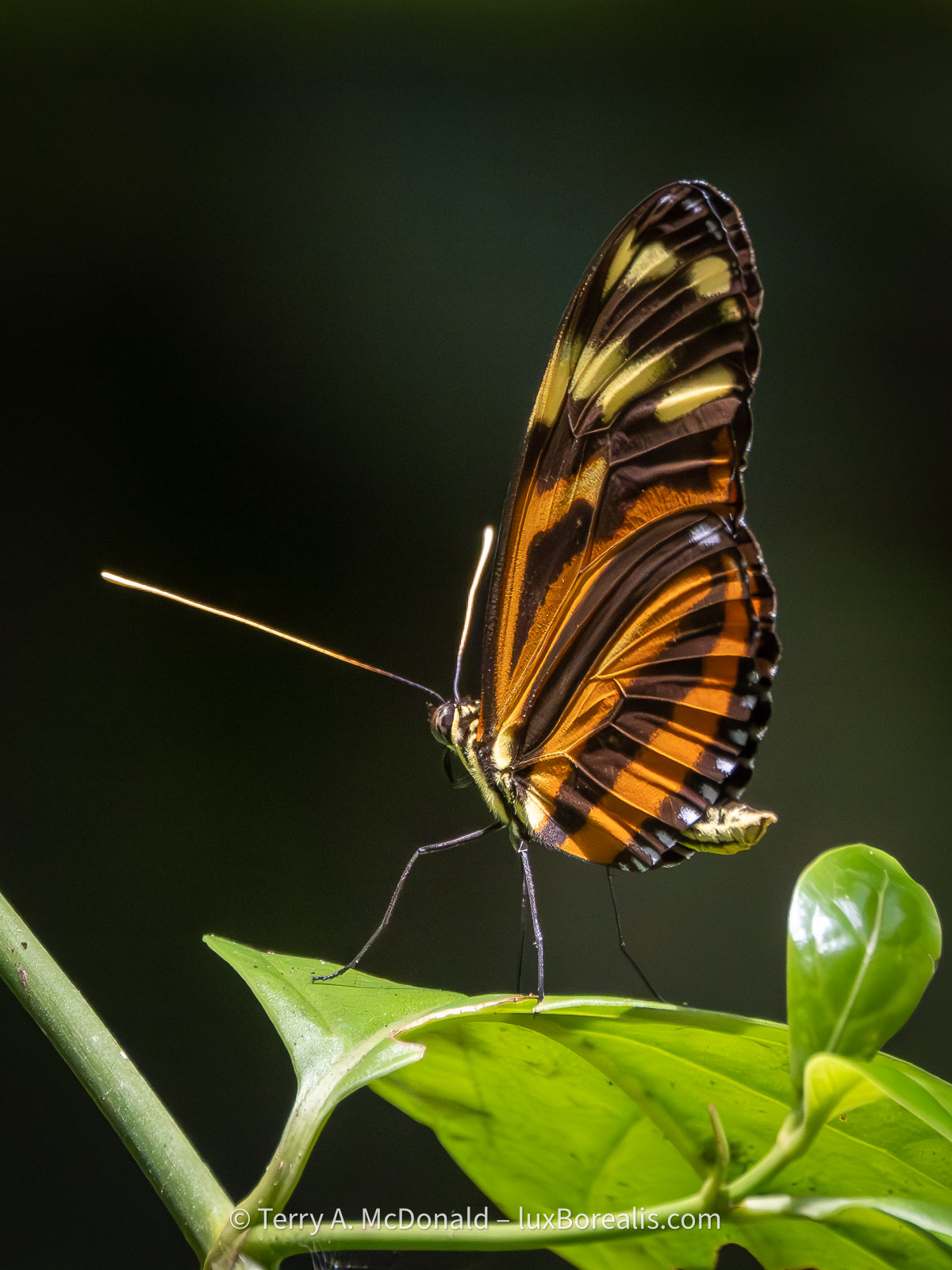

This bird is the size of a turkey. I was only a few metres away, yet in the thick foliage and deep shadows of a 3m shrub, it completely disappeared.
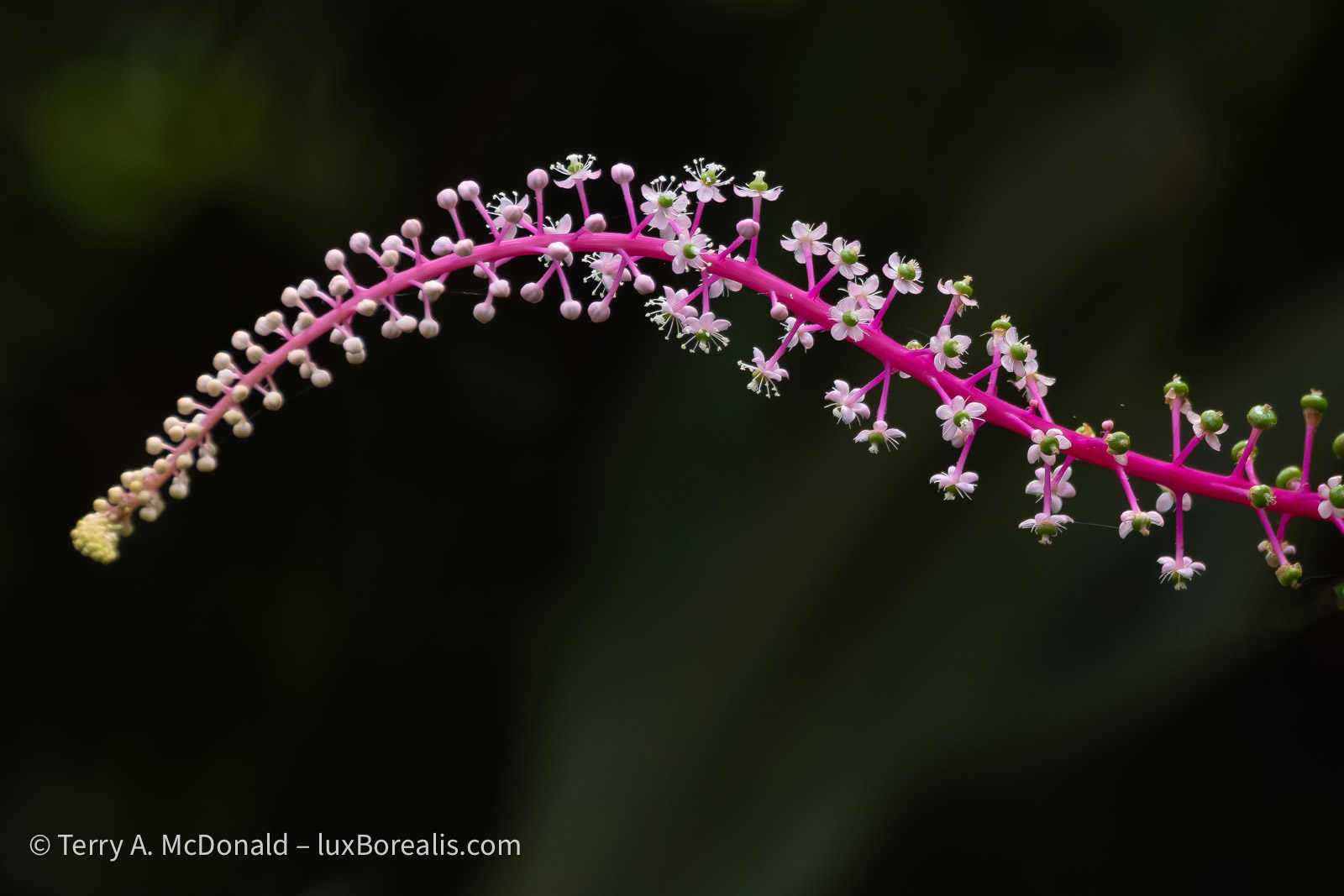


This magnificent jay was the focus of some serious searching below the slopes of the Arenal volcano.
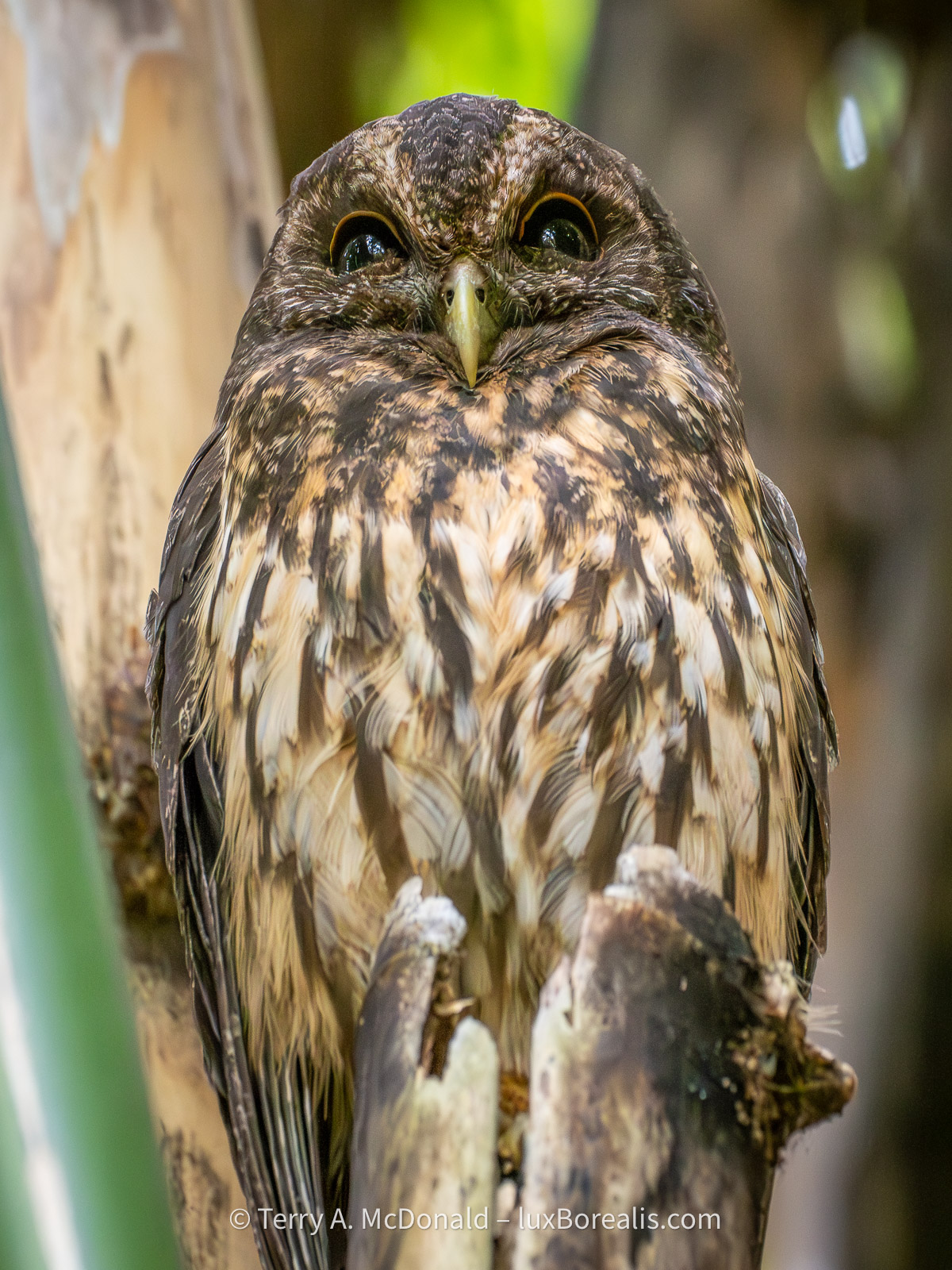
A gardener at Hotel Bougainvillea pointed out this owl and its mate to us, buried deeply in the 15m high stand of bamboo.
Discover more from luxBorealis Blog
Subscribe to get the latest posts sent to your email.
 luxBorealis Blog
The red-headed Barbet is stunning — what colours! It must have been so difficult to whittle down your (thousands? of) photos to publish these !
It was a difficult cull, but as i always say, the most important piece of photo equipment is the trash bin!