Photographing in the rainforest is bloody difficult, but oh so satisfying!!
1795 words; 28 photographs; 9-minute read
My wife Laura and I have travelled to Costa Rica to join a ’12-day’ bird-watching tour offered by Birds Canada through a Canadian company called Eagle-Eye Tours. Laura’s the birder (though not a ’ticker’!!), and I just try to keep up with her idents with photographs. However, we’re more interested in the complete spectrum of species found in various habitats, hoping to experience all that nature has to offer, so Costa Rica seemed like a good fit. We decided to come early to check out more of Costa Rica.
And guess what? It’s the rainy season, and we’re in a rainforest!
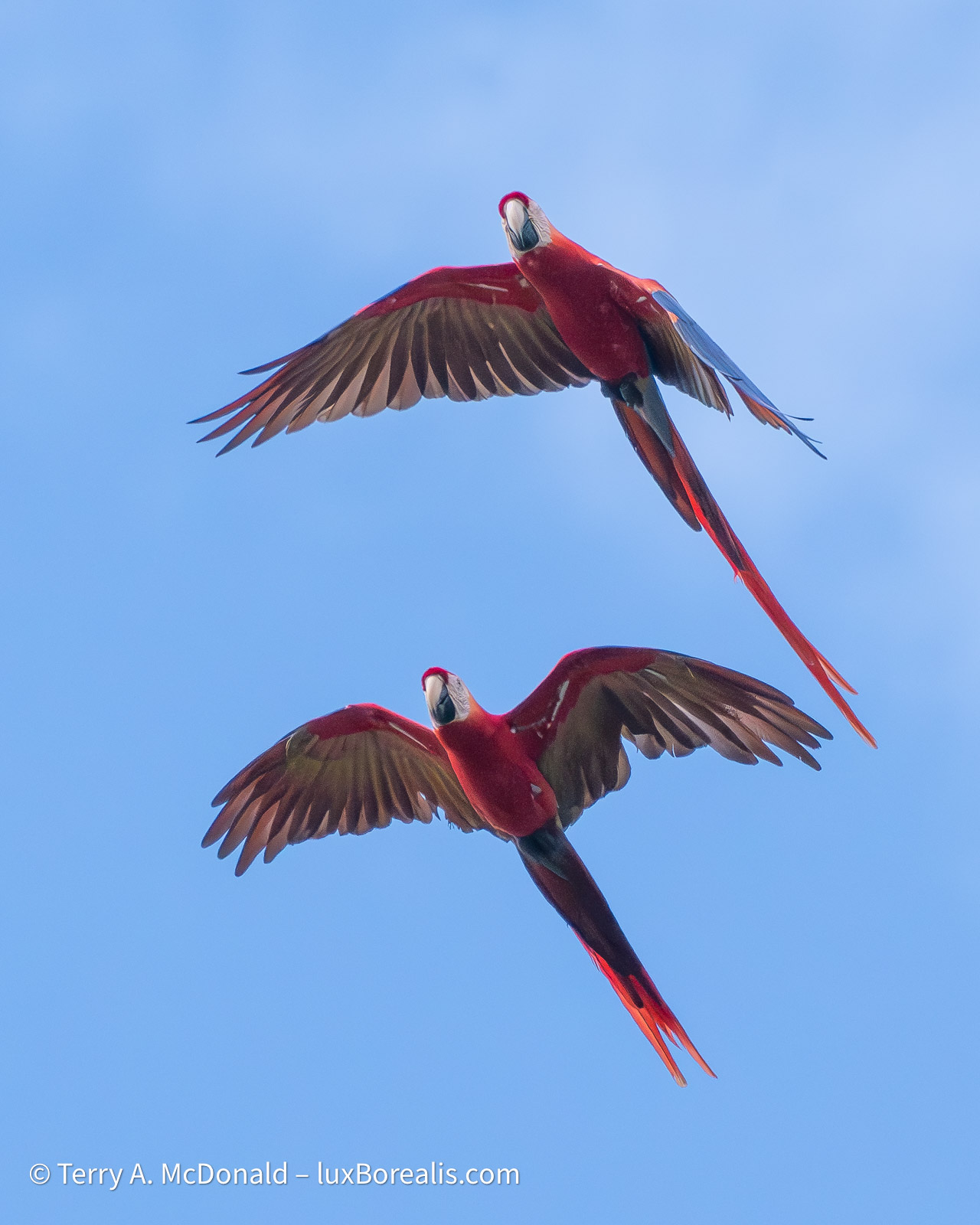
OM-1 | 400mm | ƒ8 @ 1/1000 | ISO 3200 | Lightroom
These settings are the basic ’formula’ used for many of the shots below, so I’ll not repeat it, except to say shutter speeds varied widely depending on light, as did the ISOs, going as high at ISO 25600.
Rainforests are somewhat new to us. Despite our time in Tanzania and Southeast Asia, we haven’t spent more than a few hours in an actual rainforest. You see, we melt in the heat, preferring the cooler climes of Iceland and Ontario in the Fall, Winter and Spring. However, we’re also game to try most things.
1/320 at ISO 6400
So why did we come to the rainforest in the rainy season? Well, that’s when the tour was scheduled. Eagle-Eye Tours and Birds Canada are not fly-by-night organizations, so I’m putting my trust in their knowledge. Apparently, the Caribbean side is not as rainy as the Pacific side, where we are currently located. It’s rained everyday, but mornings to mid-afternoon have been spectacular, though hot!
Of all the travelling we’ve done to across Canada, to Africa, Asia and Europe, aside from the school trips we’ve organized, this is our first ‘organized tour’. Typically, we like to book a rental car and our own accommodations, usually with kitchen facilities, so we can experience a place more like the local people by shopping in grocery stores and driving ourselves around. ‘Hotelling it” is just not in our culture. But this trip is different.
1/50 at ISO 12800
Costa Rica itself is well-known as a place of nature. Yes, they have logging and vast plantations of oil palm, bananas, mangoes and pineapples, but they seem to have convinced the world that they are ’green’ or at least greener than other places. And they are. In fact, Costa Rica is one of the greenest countries on the planet.
The country comes across as a developing nation with some of the classic tells: a spaghetti plate of telecom wires up on poles; cement construction; tin roofs; and a number of ’fixer-up specials’. So I was surprised to learn that as of 2025, the World Bank declared Costa Rica a high-income country—and the prices show it! Although the car rental wasn’t too pricey, we’re paying Canadian prices for almost everything else such as accommodations and drinks. Dinners are easily more expensive here than in Paris! My seafood fettuccini was $50 and here we are beside the ocean! Our guess is the higher prices are due to the number of American tourists here.
We began in the capital San José, at the Hotel Robledal, and are now in the village of Manual Antonio, just outside the National Park of the same name, at the Hotel Playa Espadilla. But I know, you’re more interested in the photography.
Hotel Robledal
I’m referencing the name of the hotel as it is a favourite for birding tours due to the nearly three hundred bird species identified on the property. The hotel has also made a commitment to maintaining and expanding biodiversity which includes a successful owl box programme. Although hotel-based tourism and biodiversity are at polar opposites, at least the hotel is making an attempt.
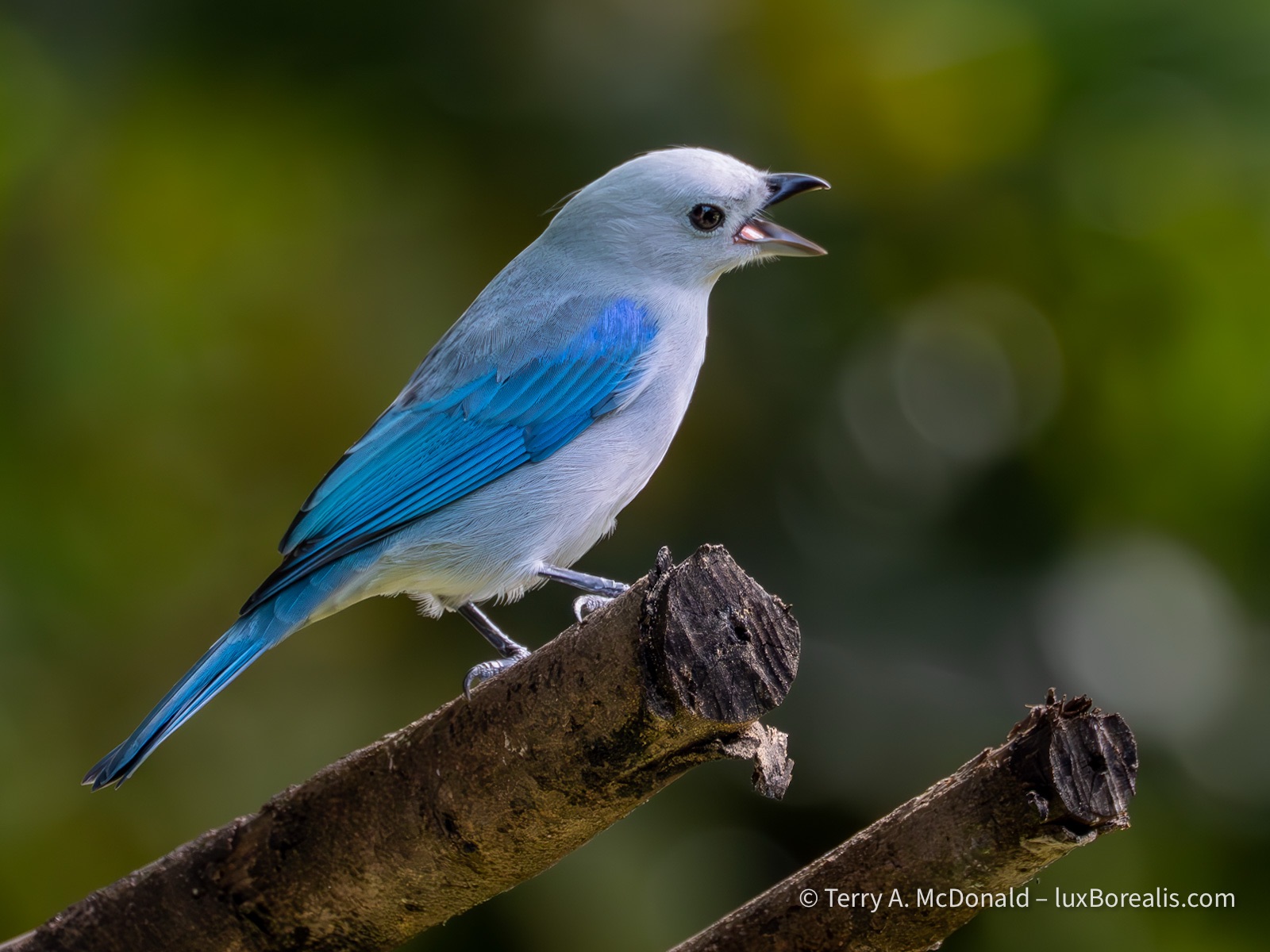
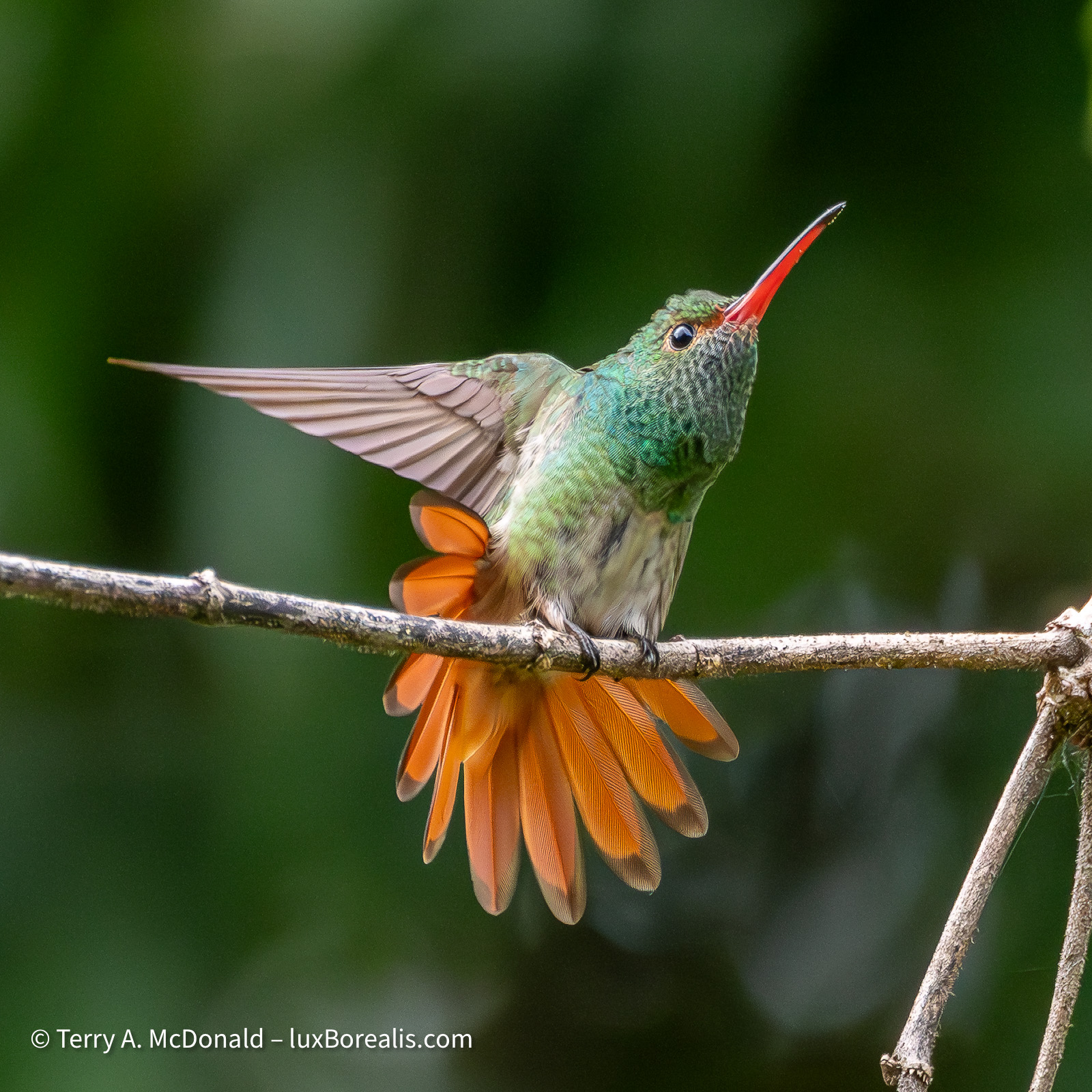
1/1000 at ISO 3200
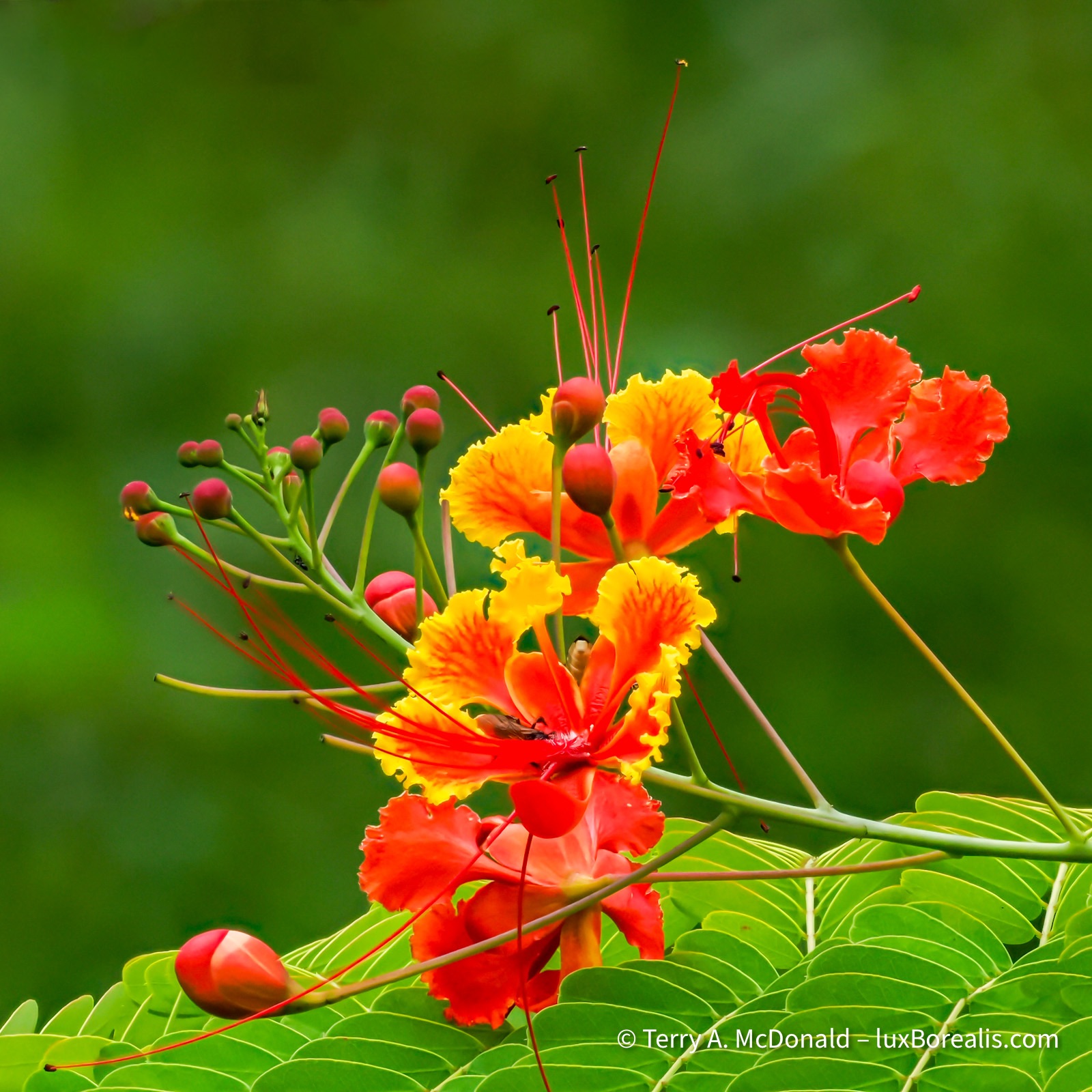
It’s the gardens that attract the birds and butterflies, and with plants blooming all year around, there is always a source of nectar and fruits. Add in some pieces of old banana around a feeding station and voià, there are birds.
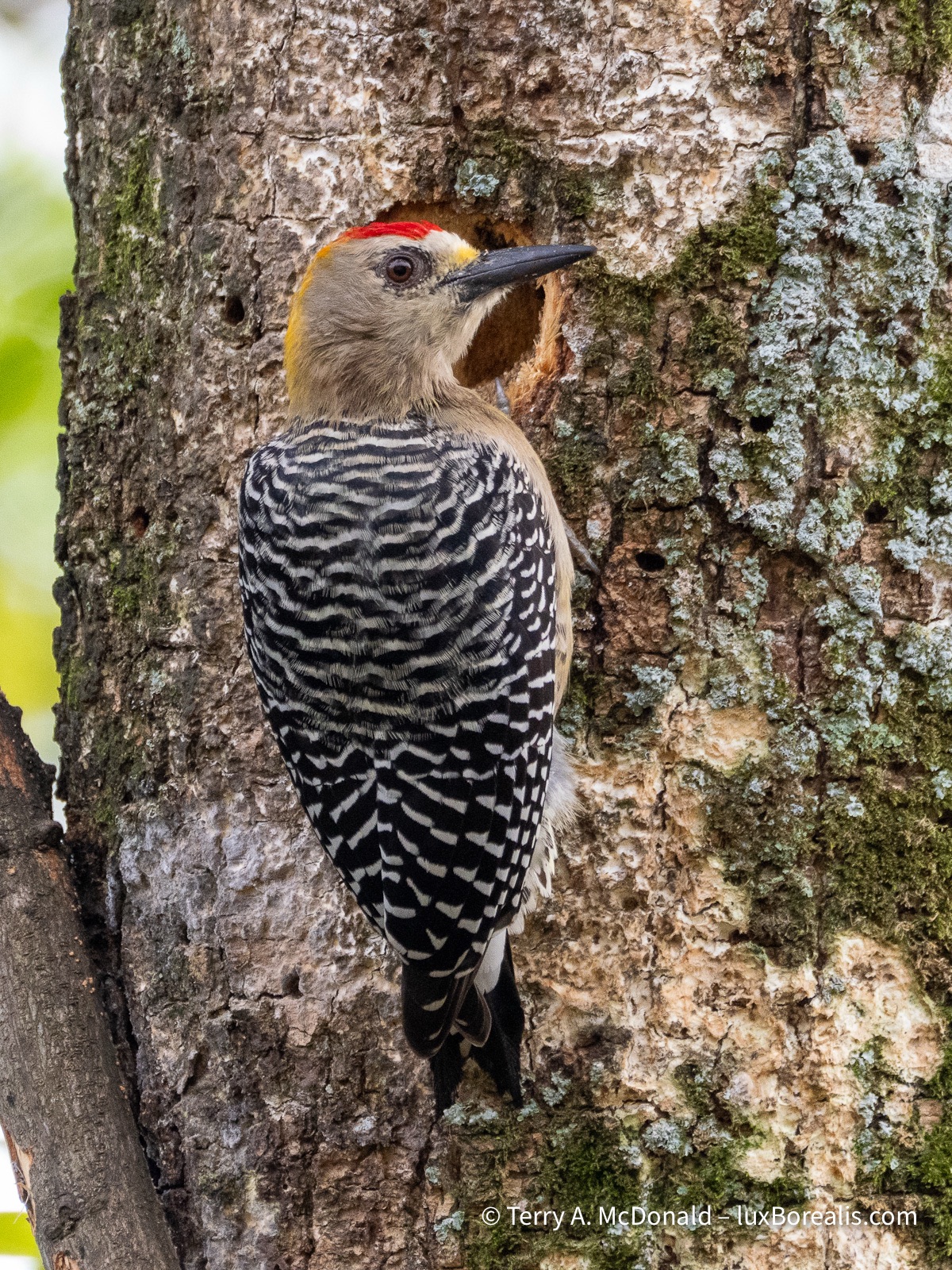
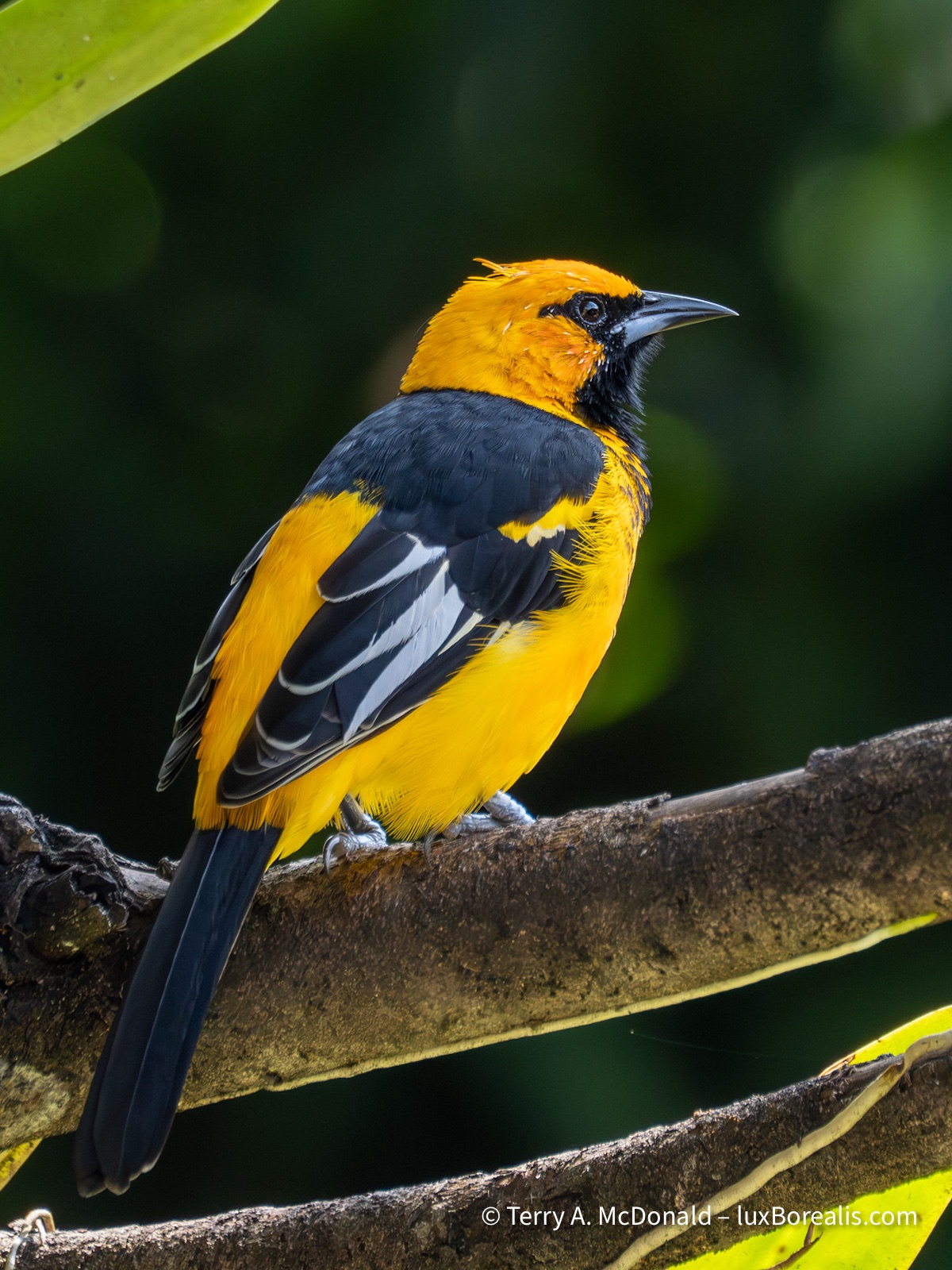
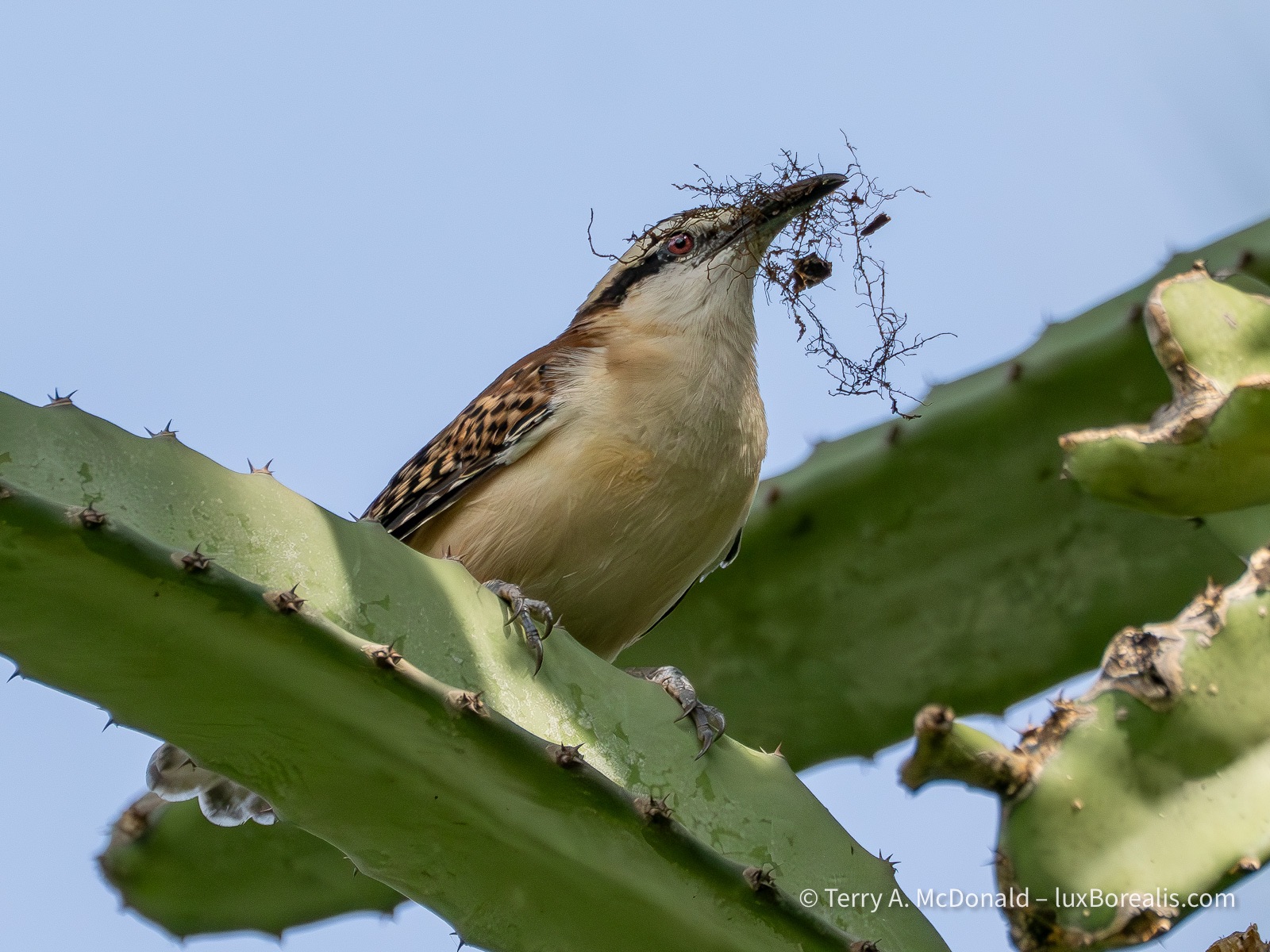
Royal Butterflies
Just off the Highway 34, about two-thirds of the way to Quepos and Manuel Antonio National Park is Royal Butterflies. Started 10 years ago by American expat ’Dan’, it’s a small, quirky place with a few butterfly species in a large outdoor net enclosure and whole pile of enthusiasm for raising butterflies.
In its typically generous way, Trip Advisor gives it a 4.9; I think a 3 is more appropriate. Dan was fantastic with his more-than-thorough explanations and stories, but with dogs underfoot and only a few species, it was only okay.
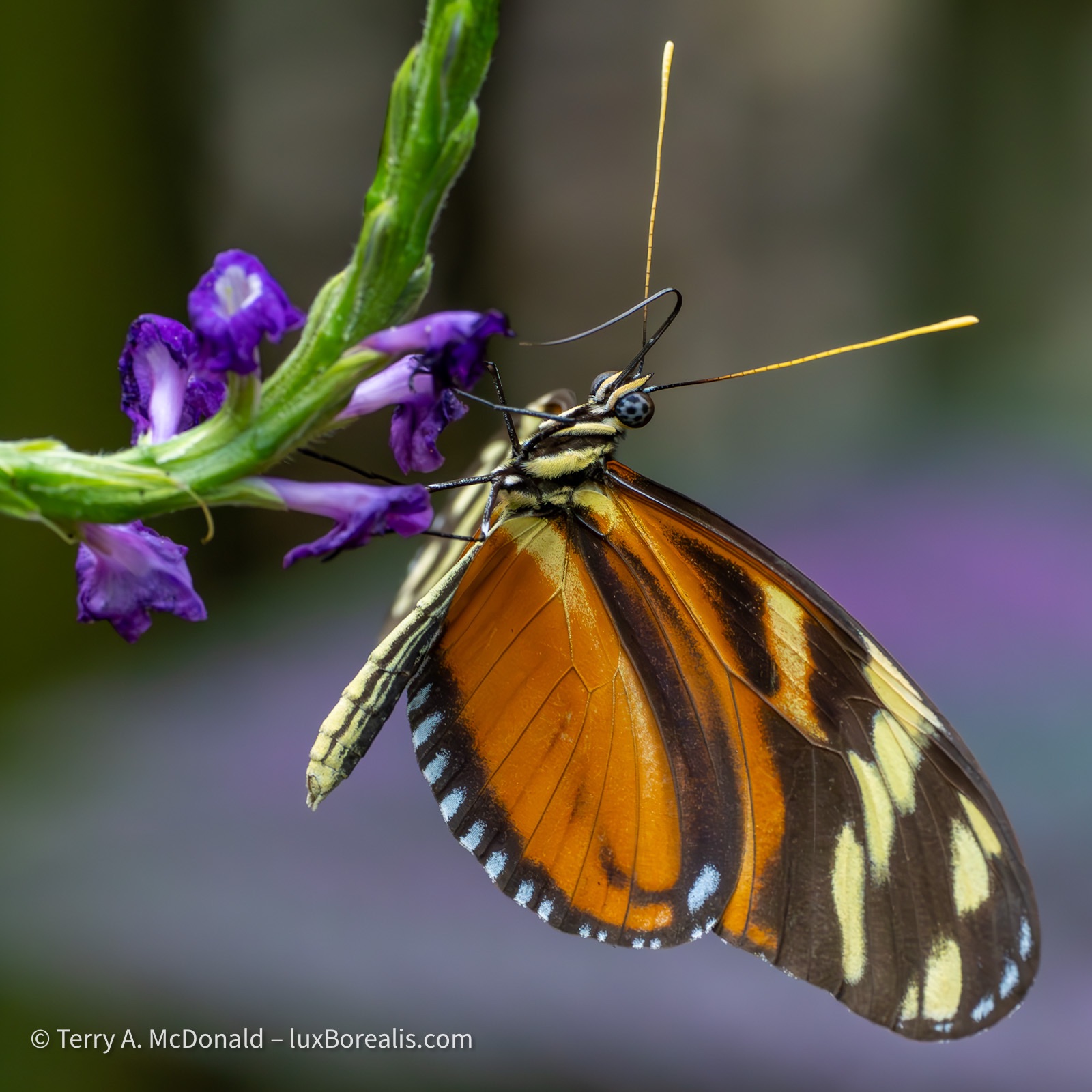
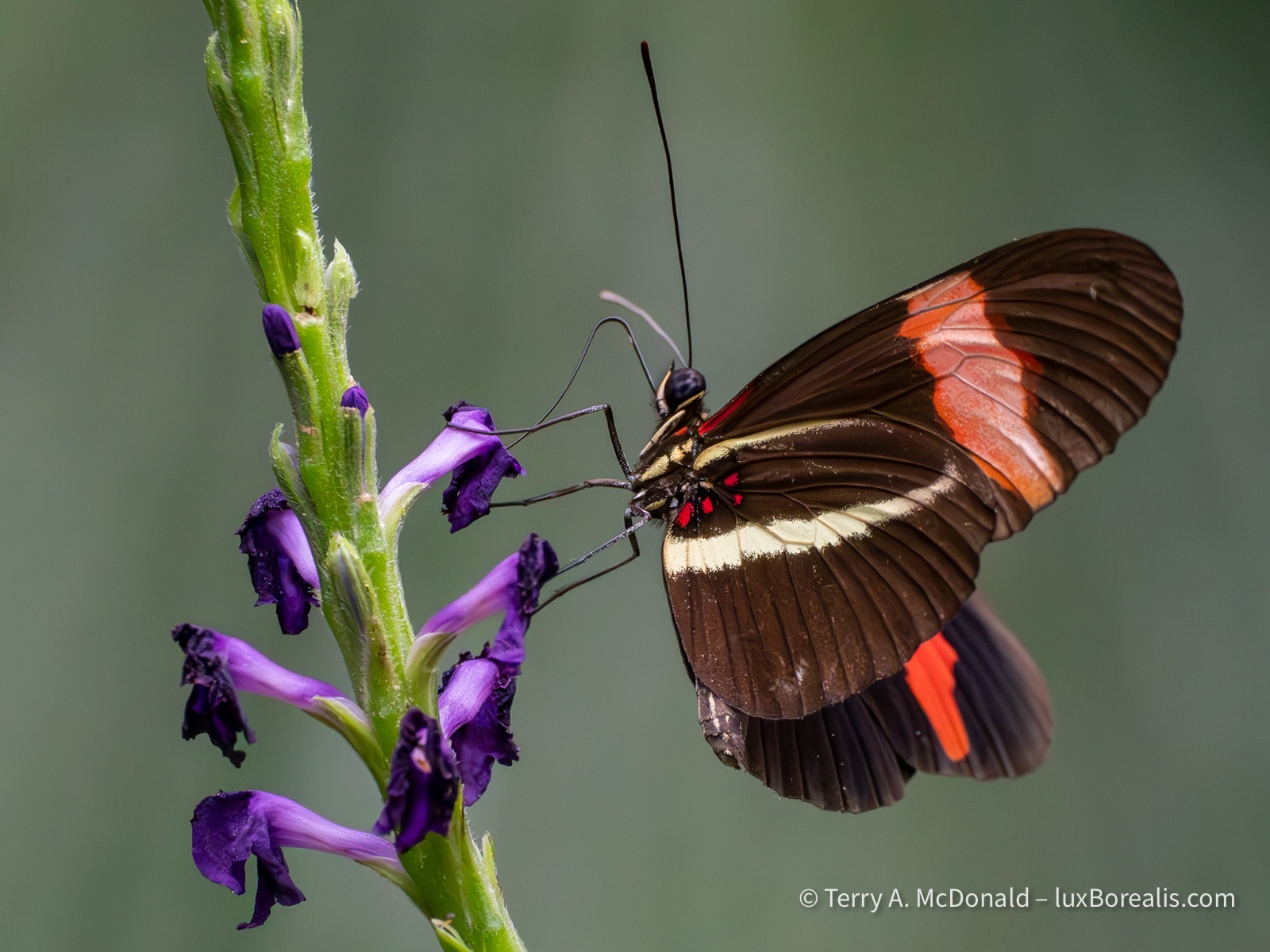
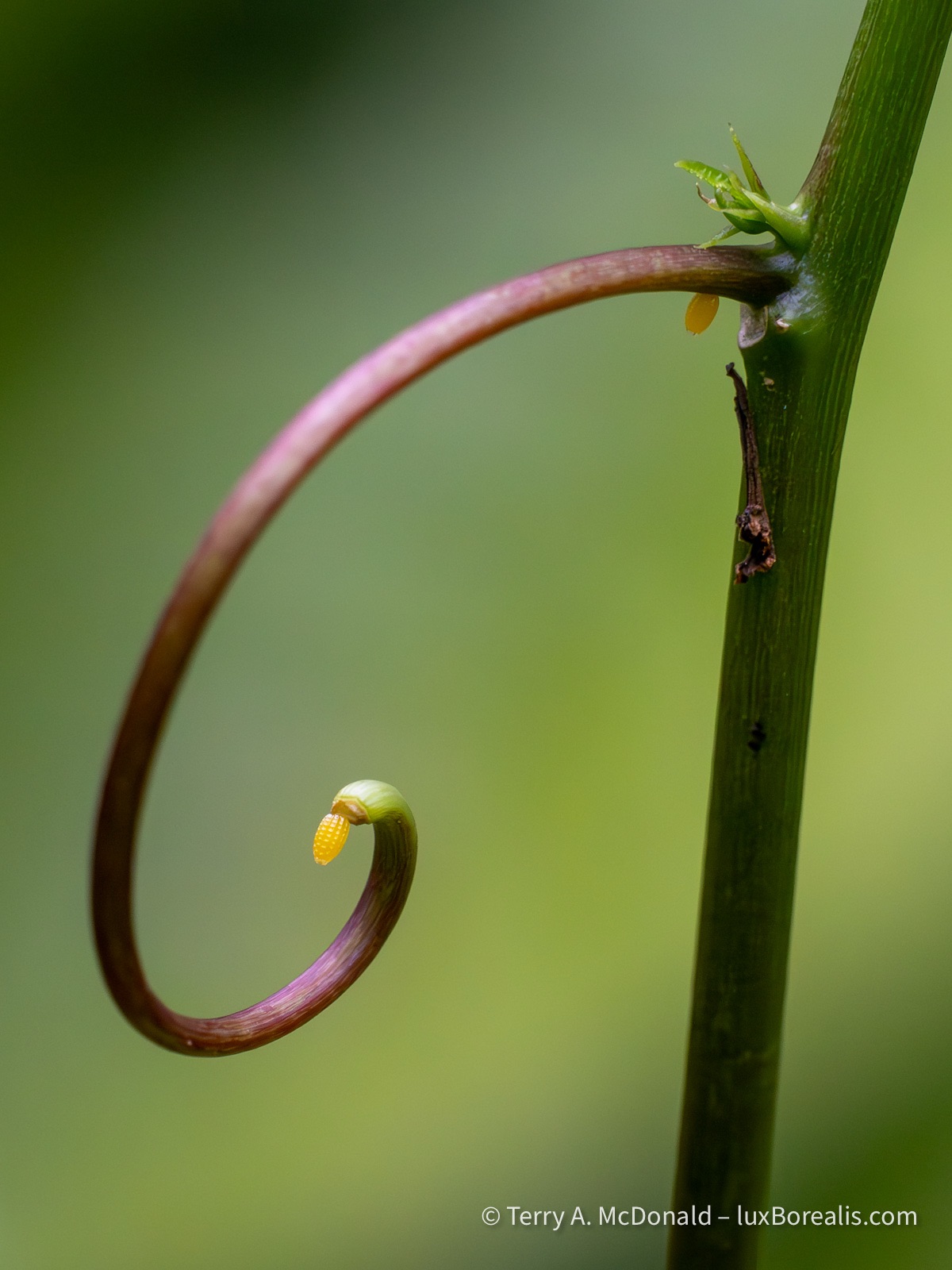
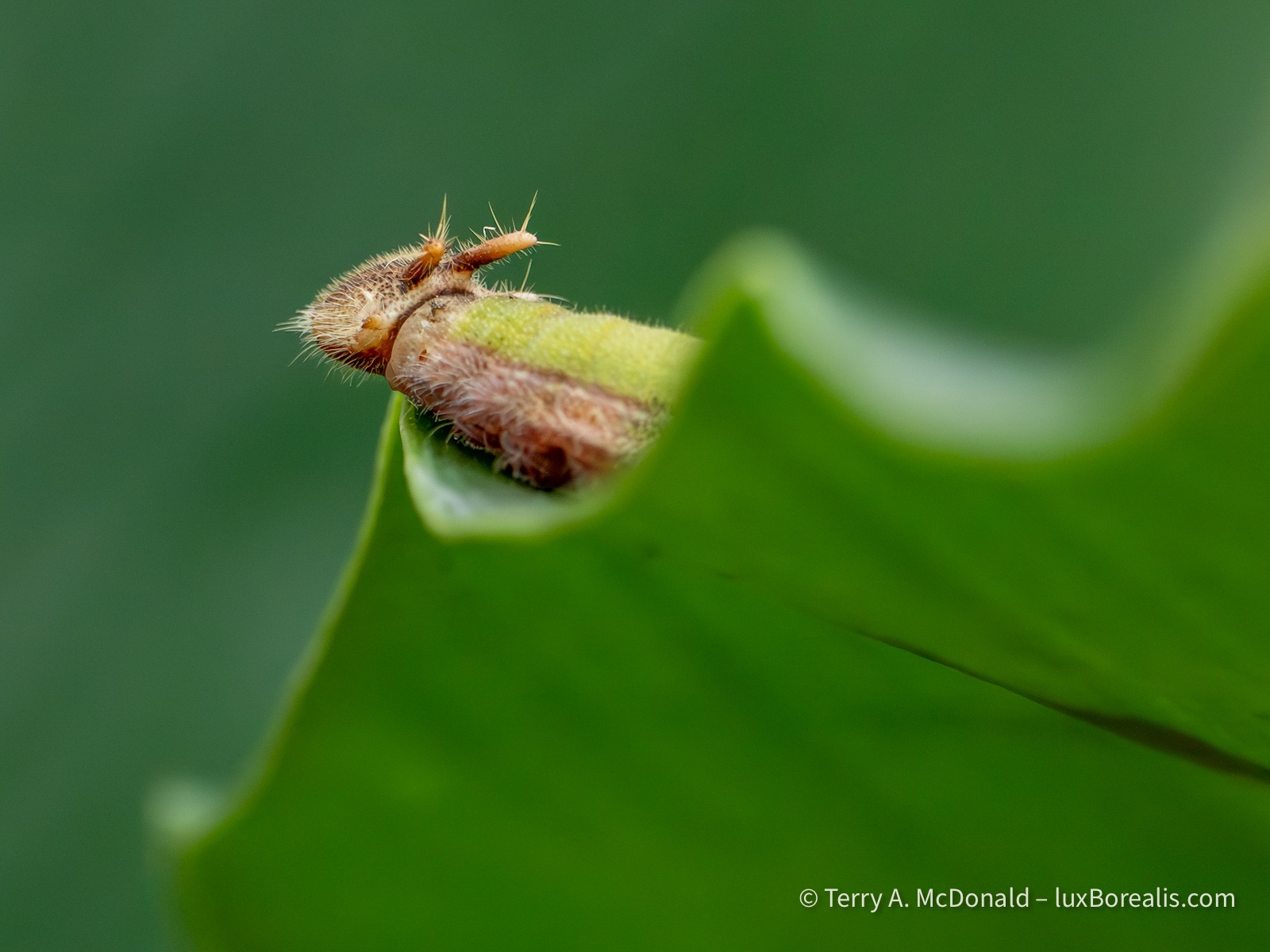
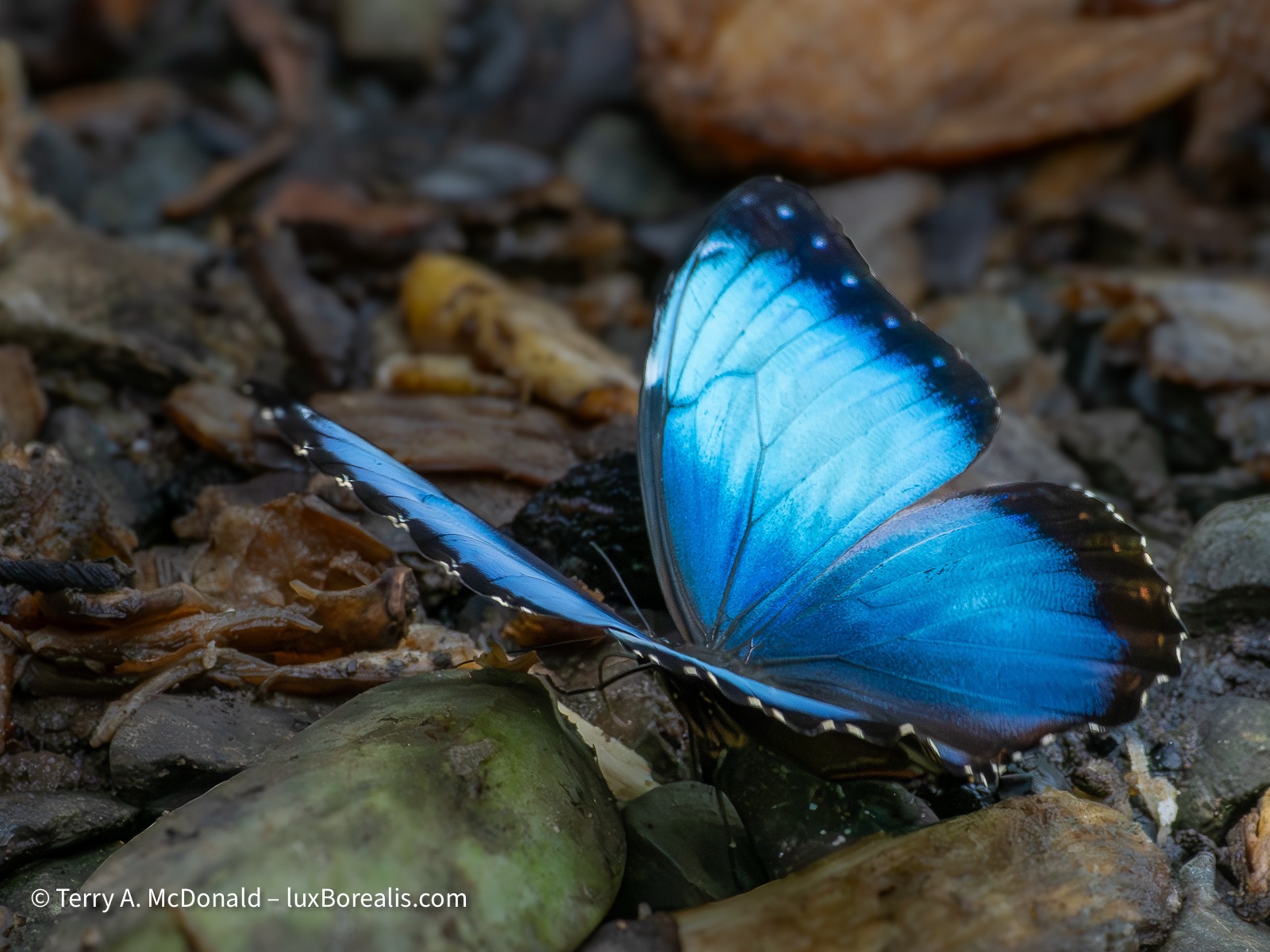
10-image focus stack
Manuel Antonio National Park
We arrived during the afternoon rain to our place just outside of the Park, chosen so that the next morning we had only a 5-minute walk to the trailhead. Being cheap and being pretty astute and observant naturalists, we balked at spending USD $80 each for a guide for two hours. But, it’s the slow season, so they offered a private guide for two us for $40 each. Evan that is more than we would typically spend, but for once we thought, ”What the heck?” Our guide Hans had a birding scope with him, so he must be legit. And he was.
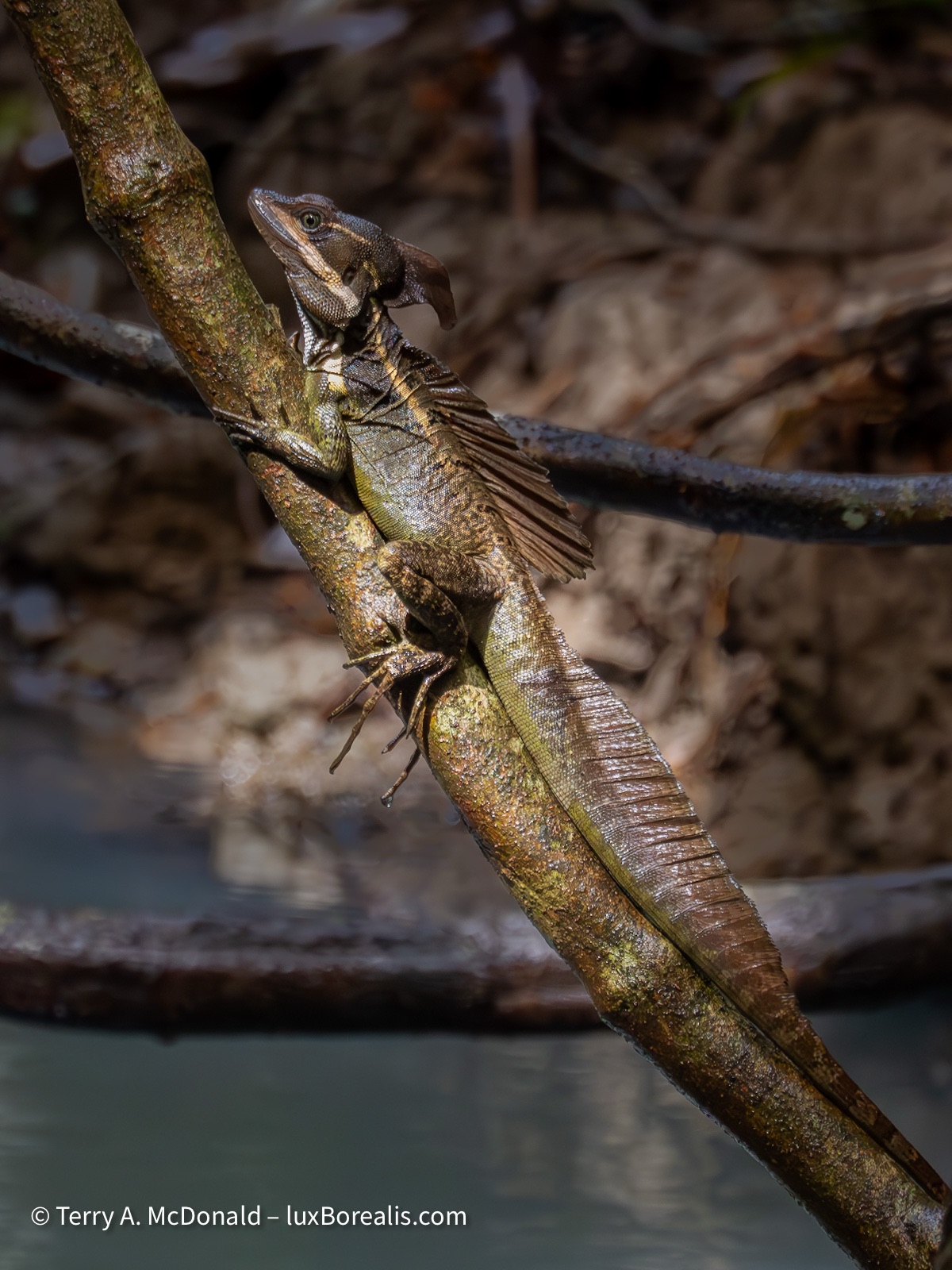
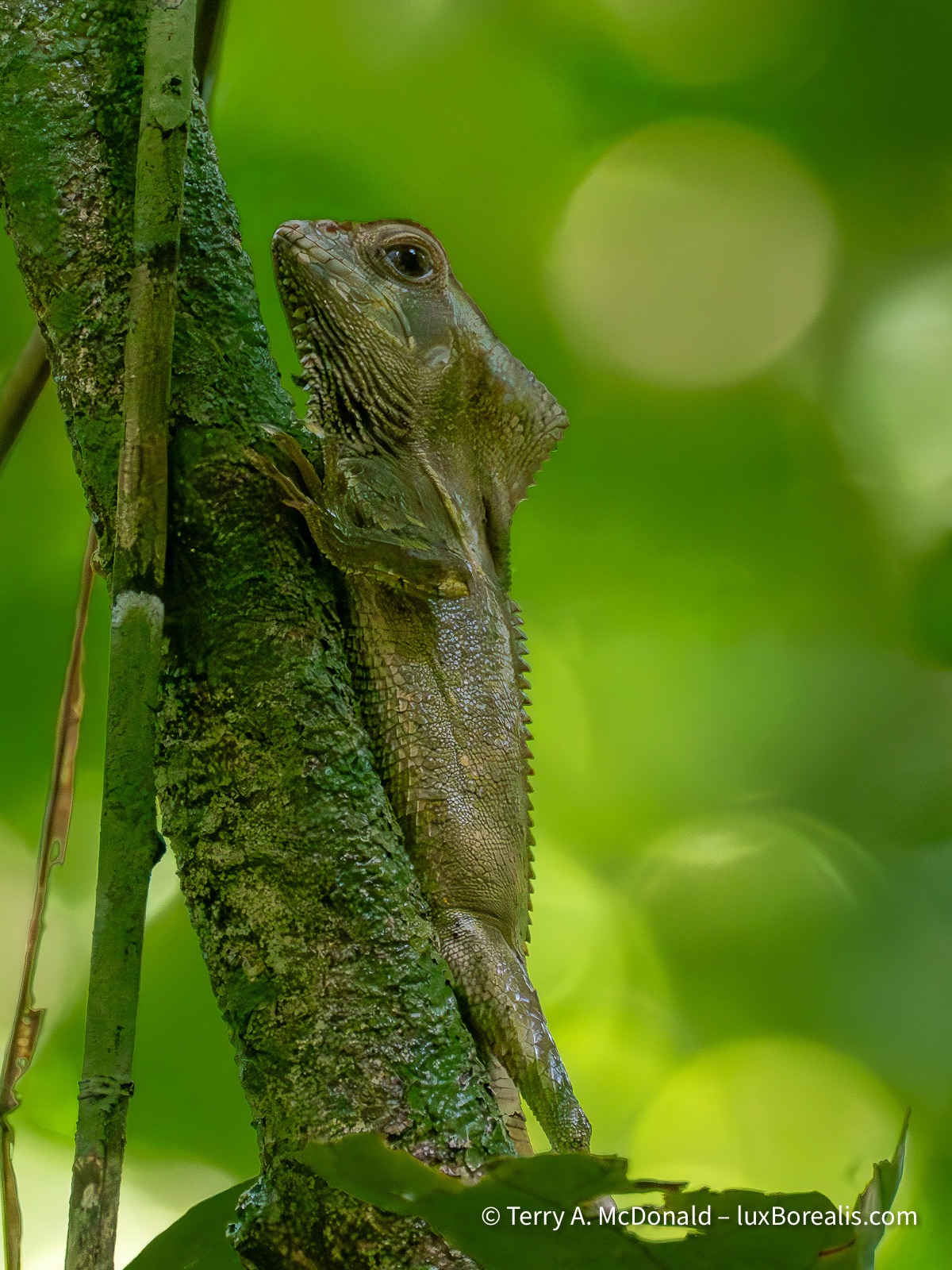
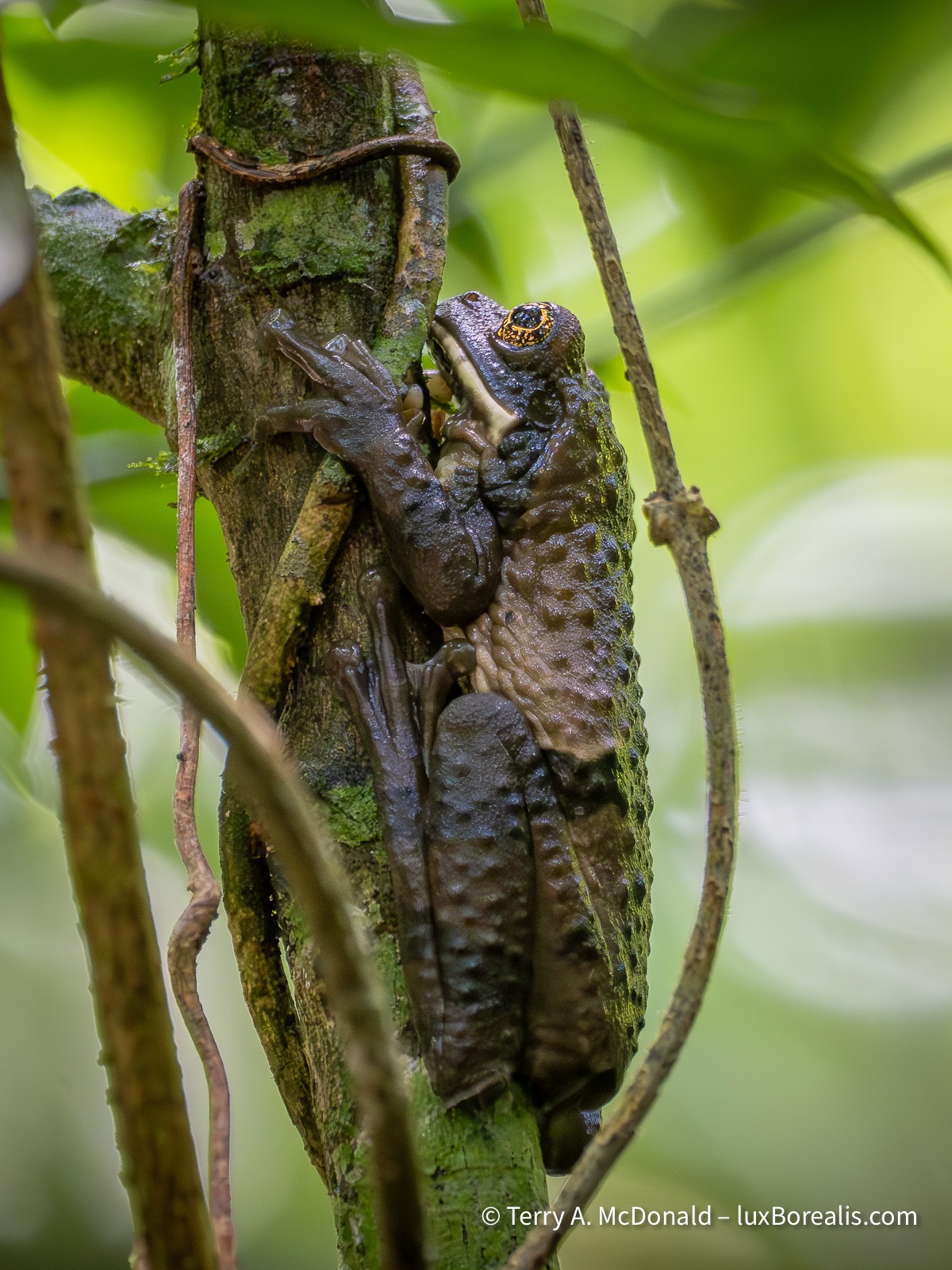
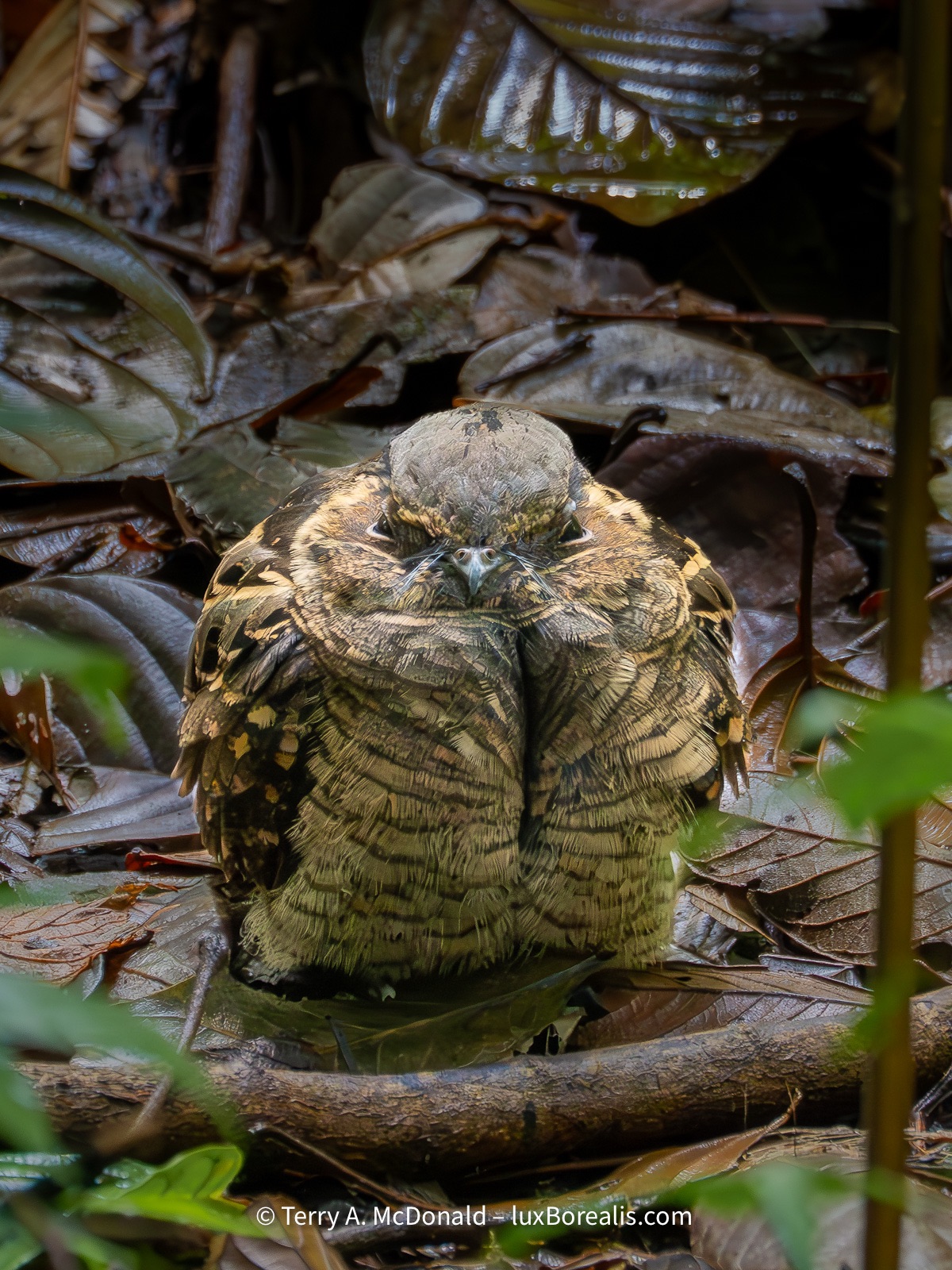
1/60 @ ISO 6400
Our experience to date has been with driver-guides in Tanzania. They are equally astounding in their ability to spot details, but once we had been out on safari a few times, we felt we were pretty much on par with them. A rainforest is a very different scenario, so the $80 was well-spent. We were positively astounded at what Hans saw and we how much we would have missed—completely. An African safari is easily a magnitude greater in diversity than a hike through Algonquin; a rainforest is at least another order of magnitude greater than the savanna. On top of that is the vastly greater number of places wildlife can hide. The wall of vegetation just a metre from the trail can hide just about anything.
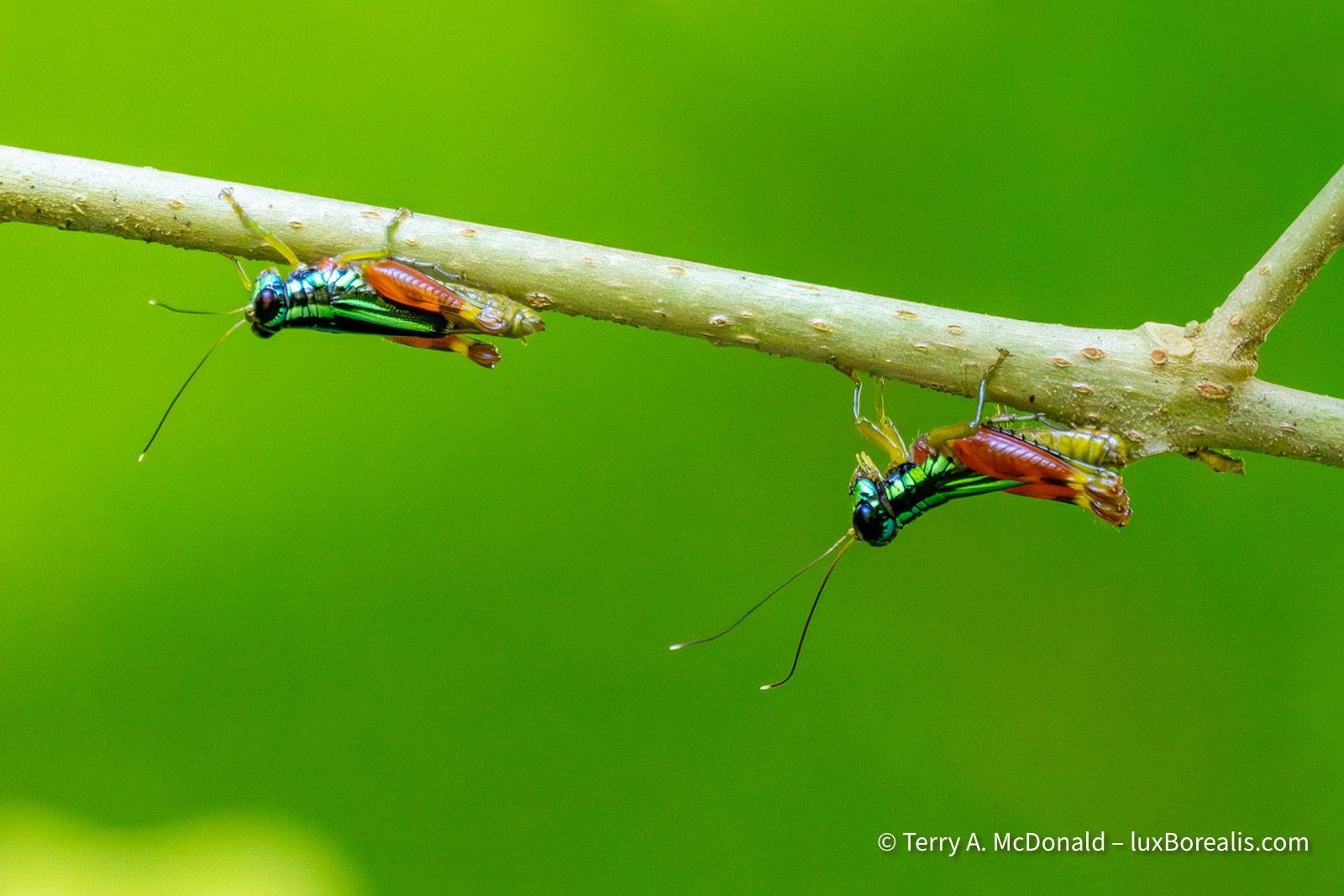
1/320 @ ISO 12800
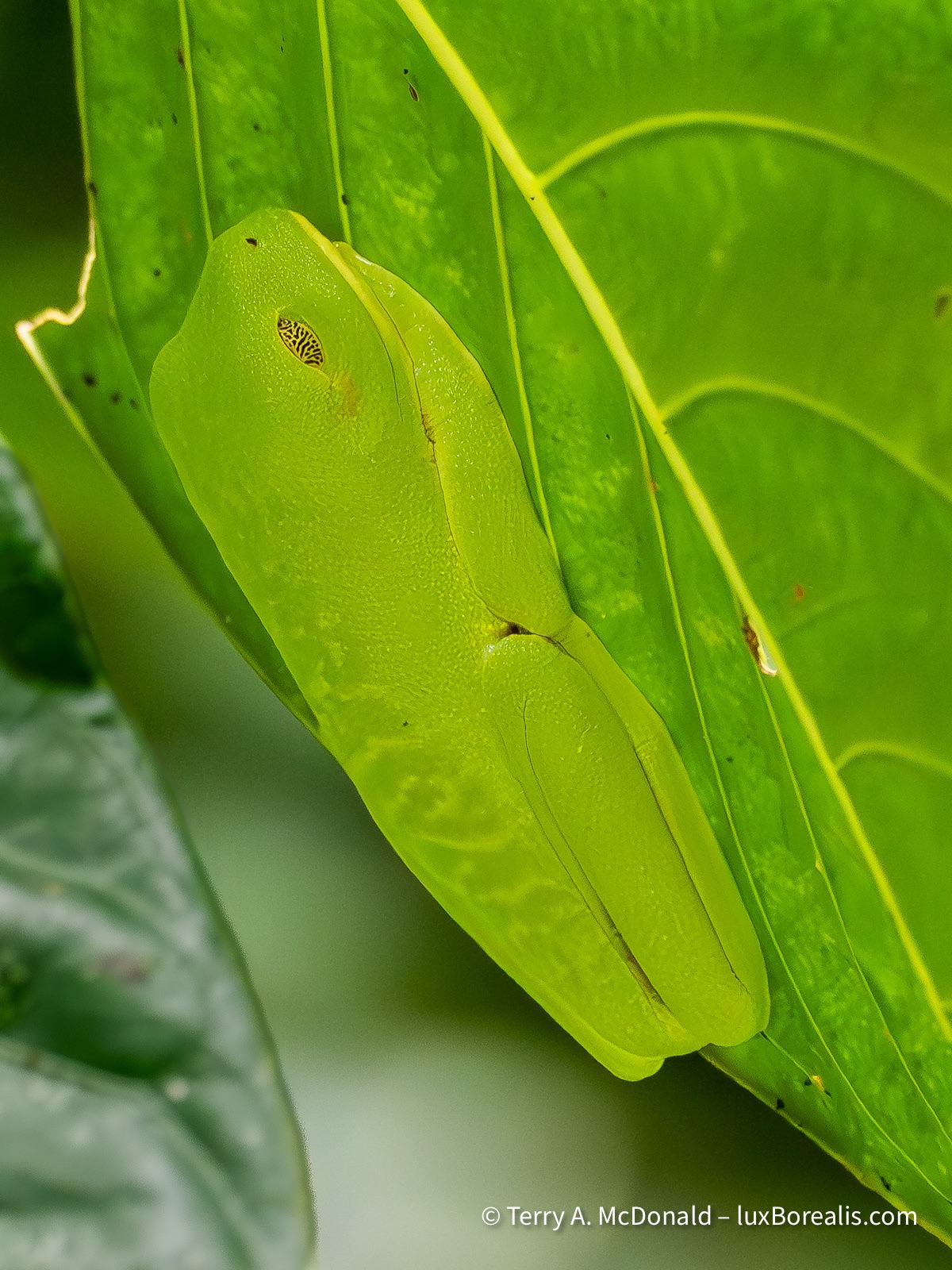
1/640 @ ISO 6400
Cardinal Rule: Never Leave the Trail
We learned very quickly why you never—EVER—leave the trail. In an open spot, just a metre off the trail, Hans excitedly pointed out a highly venomous Fer-de-Lance viper. And that was the one we could see! Imagine the ones that are just under the leaf litter or so well blended in to be invisible until it’s too late. And, unlike our local Massassauga rattler, there is no warning buzz! According to TicoTravel.com, the Fer-de-Lance (’spearhead’ en englais), “accounts for 46% of snakebites and 30% of hospitalizations” in Costa Rica. At first, I wondered if the guides placed a rubber snake alongside the trail, just to make their point about staying on trail, but no. It was the real deal.
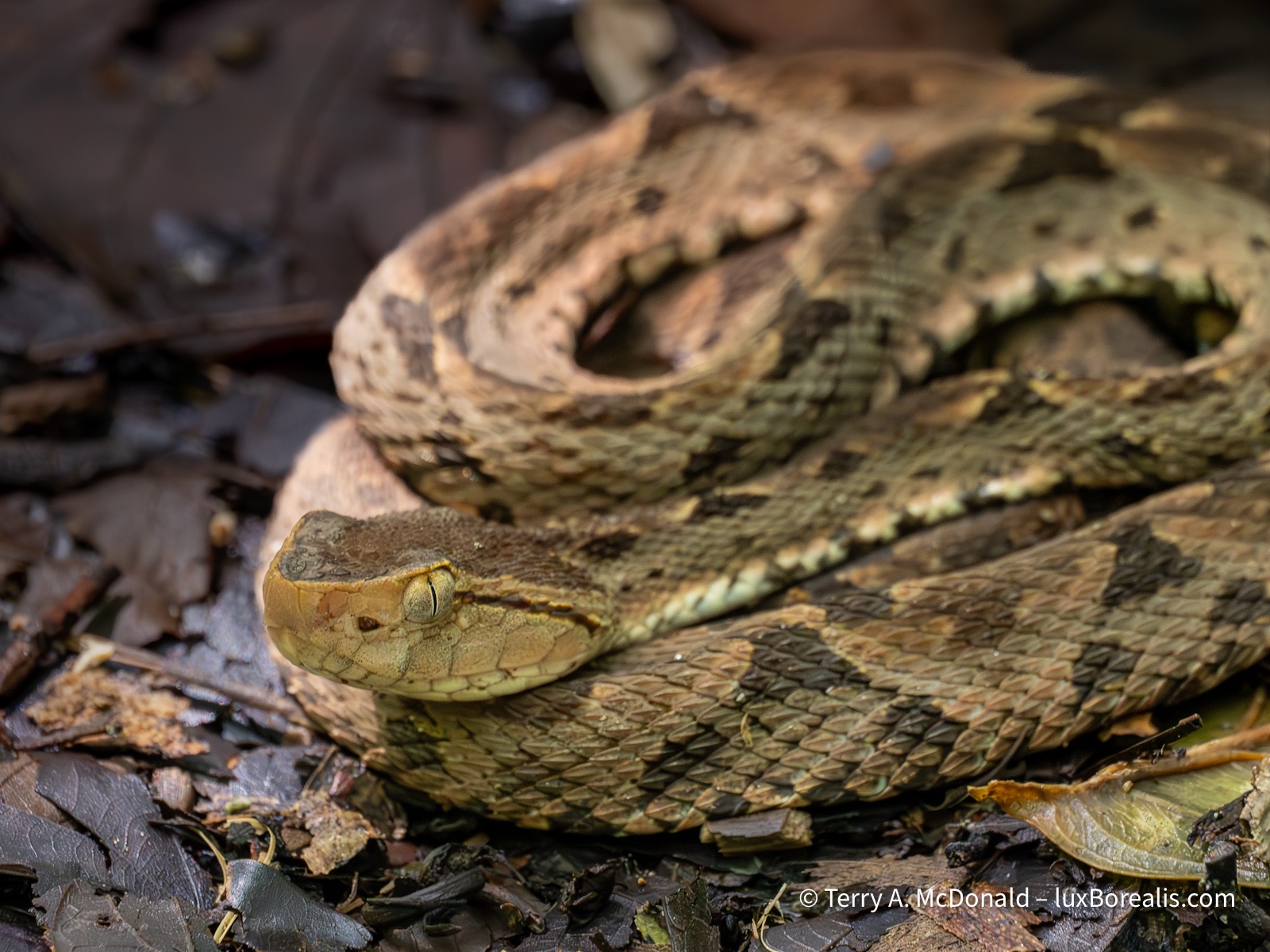
1/50 at ISO 12800 — Despite the dappled light filtering through the canopy, it was still dark!
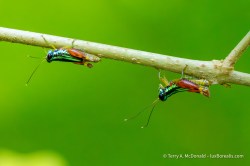
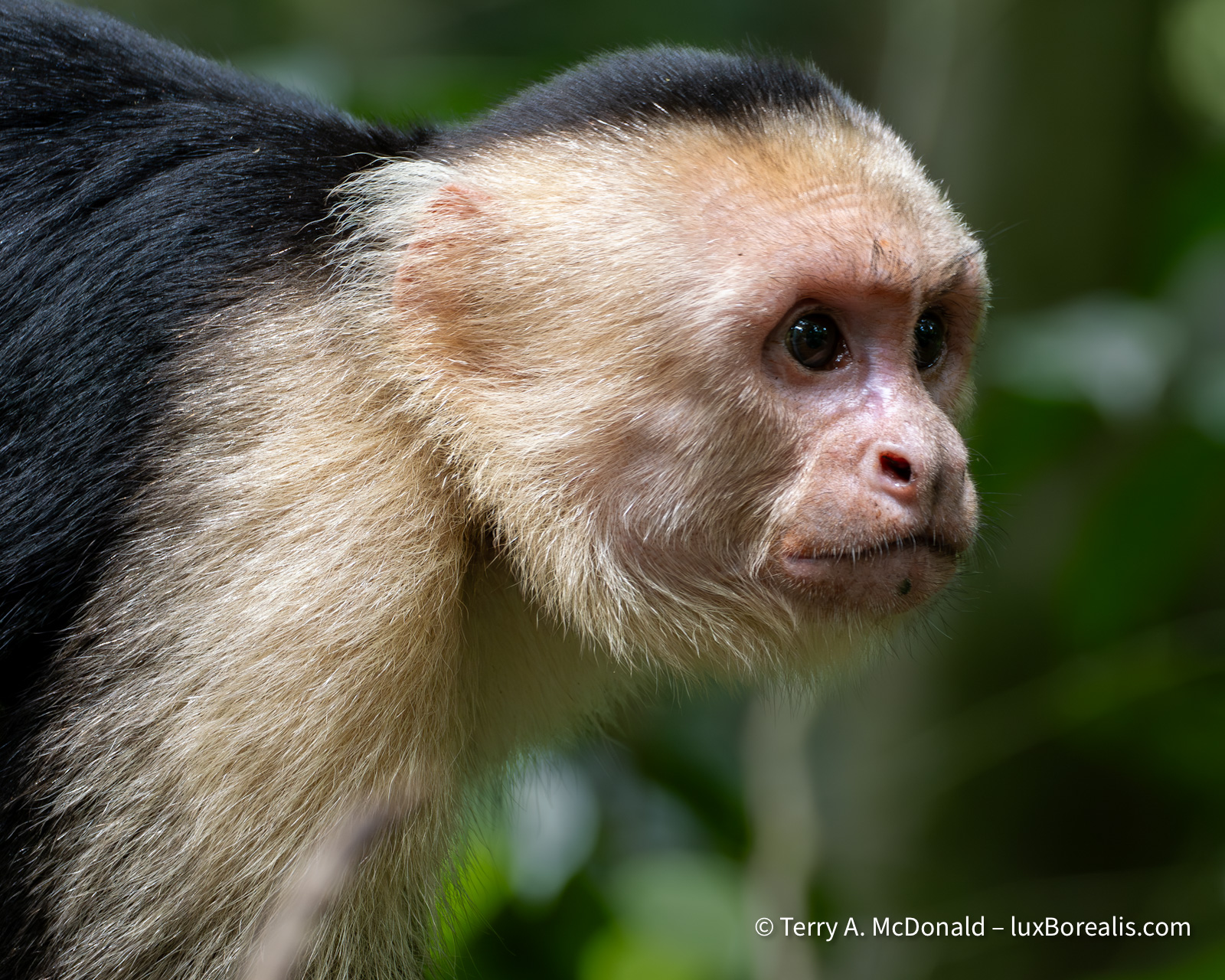
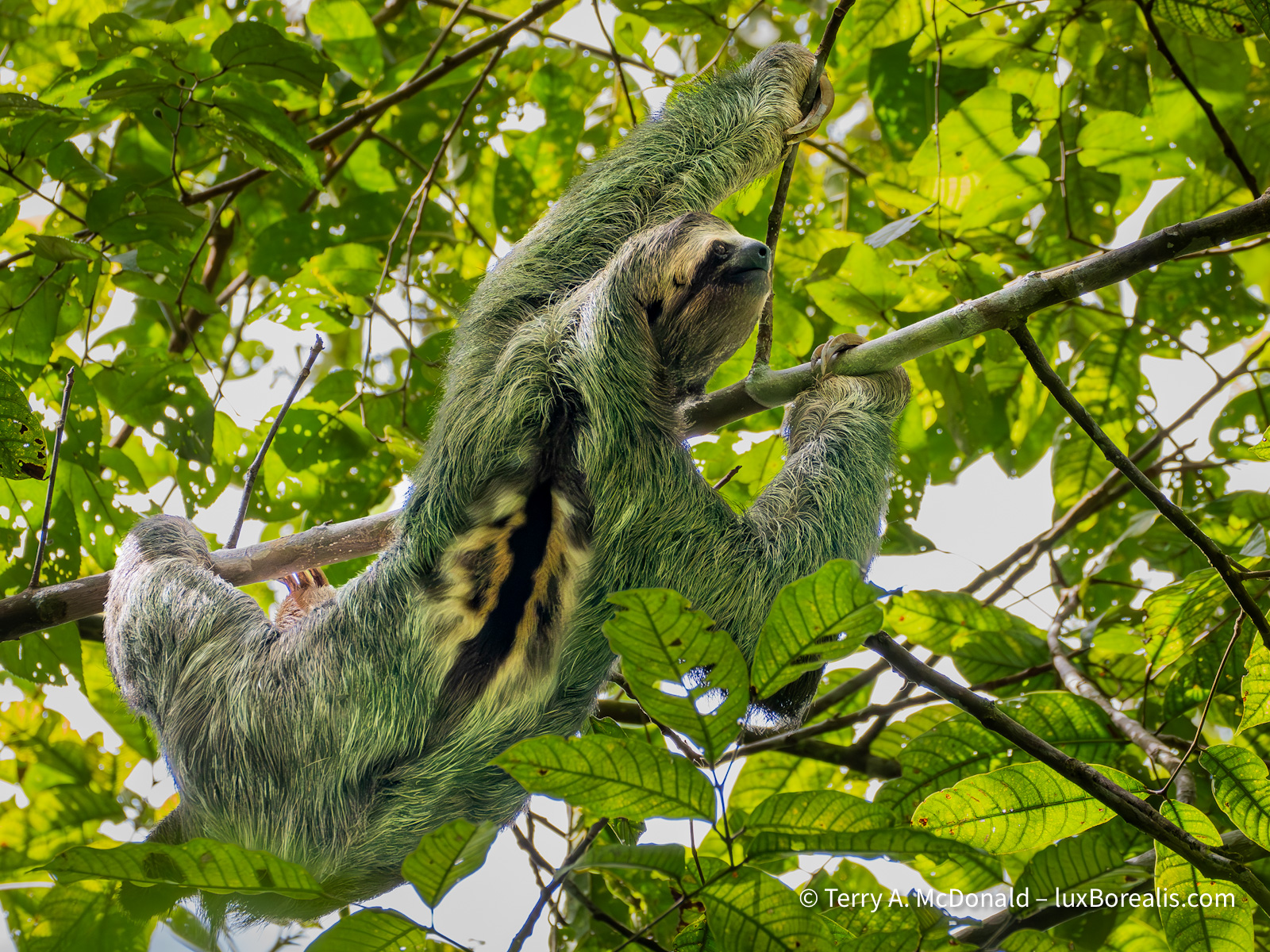
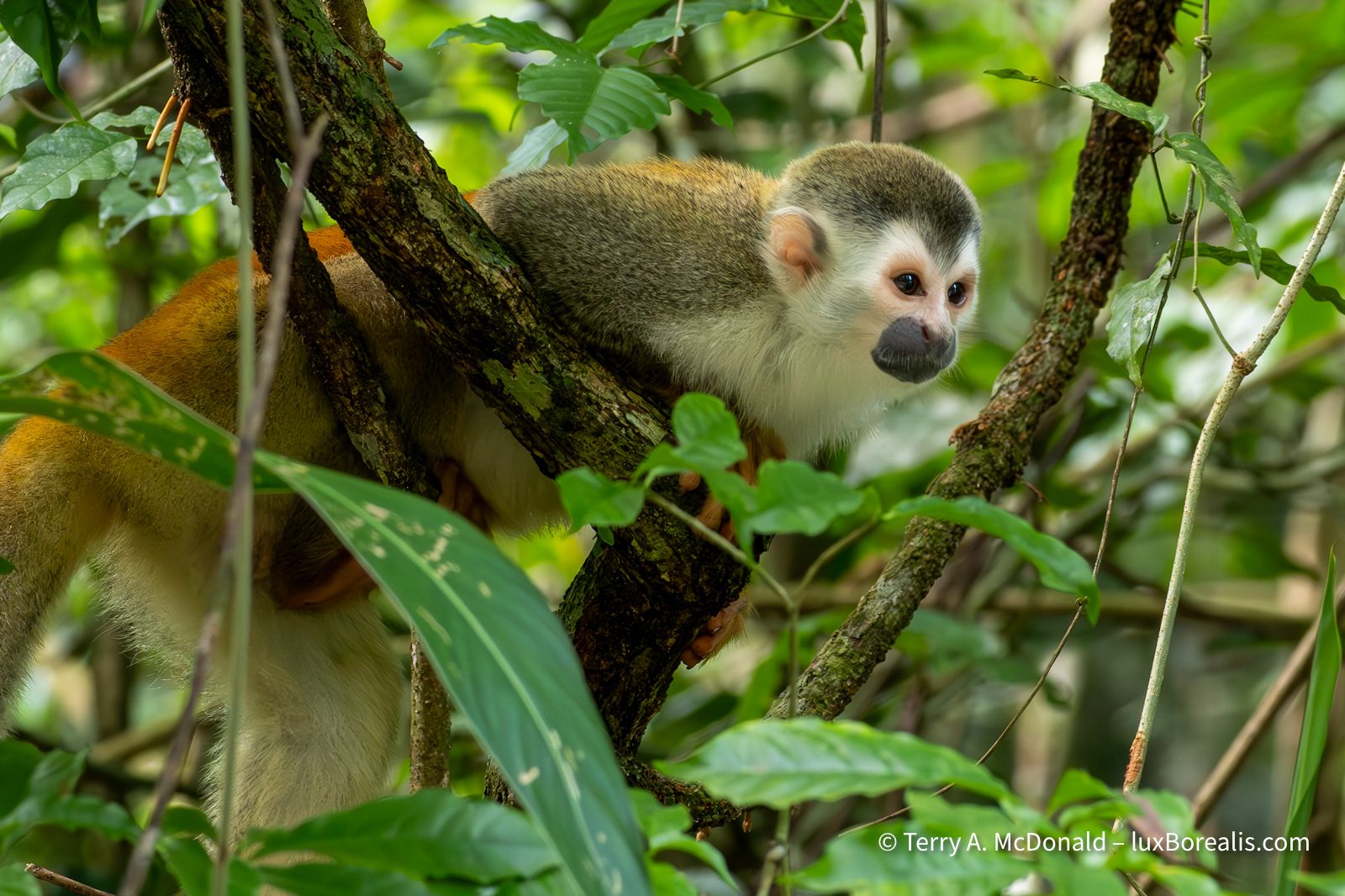
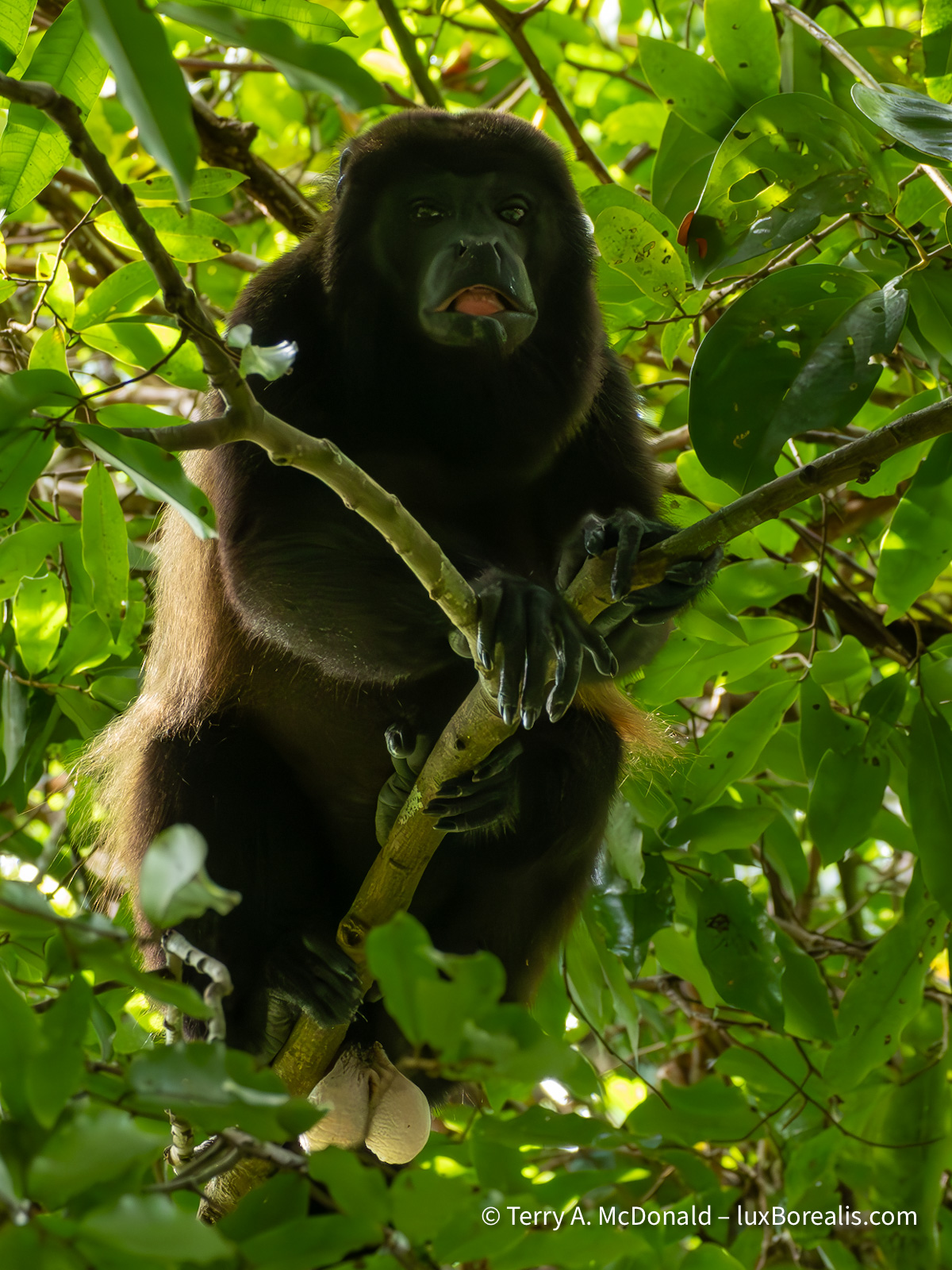
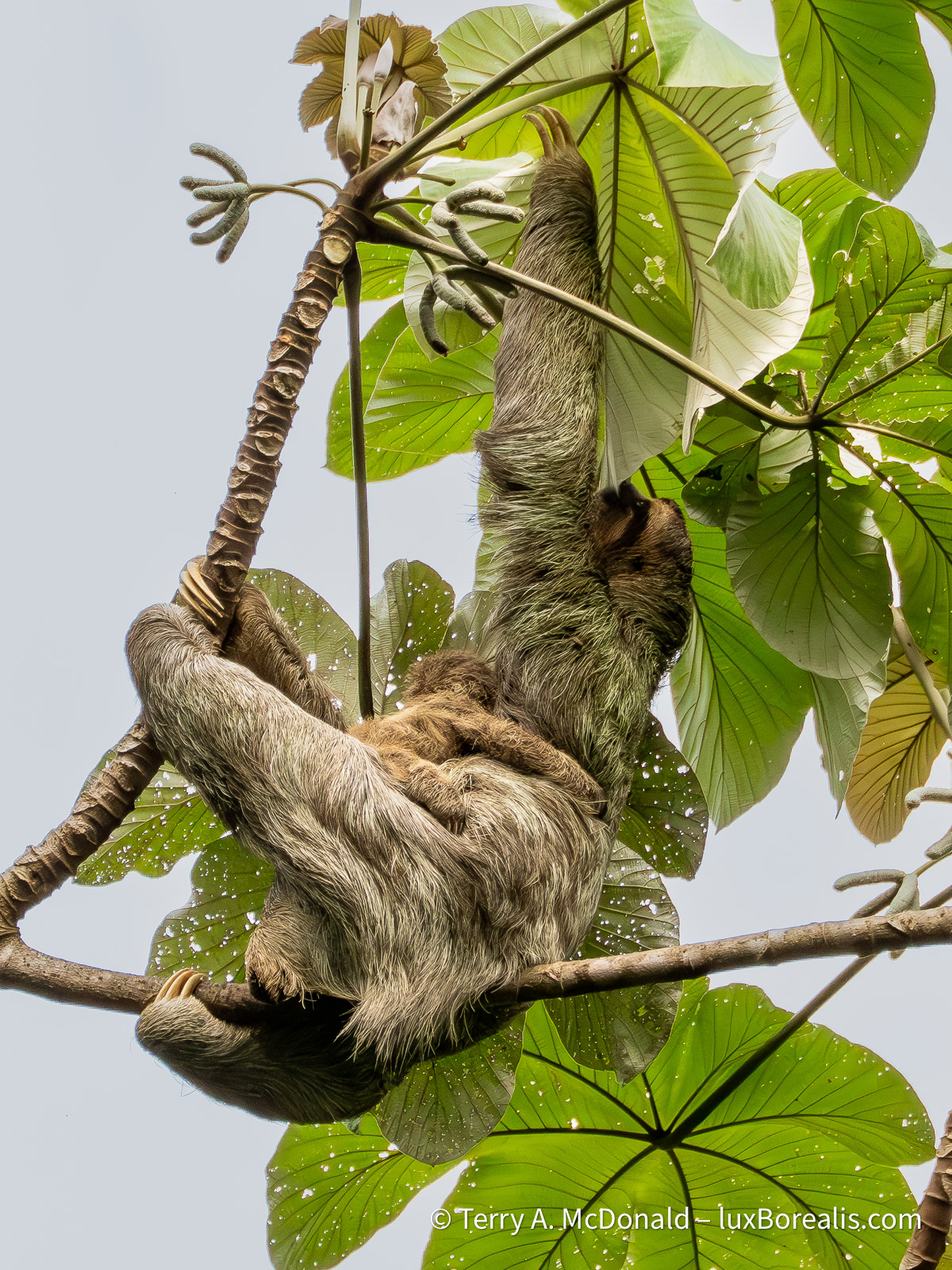
Hans continued to point out a multitude of wildlife including both two-toed and three-toed sloths, three species of monkeys, juvenile iguanas, terrestrial crabs, not to mention the species we would never have seen without him: a tent-making bat, rainbow grasshoppers, two species of tree frog, two species of basilisk lizard, plus the innumerable interesting tid-bits he related to us about the astounding diversity of foliage, including the Giant Pelican flower.
Rainforest Photography
To put it simply, photographing in the rainforest is a completely different experience than anywhere else. Out on the East African savanna, there is no shortage of light. Even in Iceland, under cloudy skies, there is plenty of light. The forests of eastern North America can be dark, but they are nothing compared to the dimness of the rainforest. Before breakfast, we decided to do a short hike along a trail through a nature reserve created by the owners of the hotel we’re in. Being adjacent to Manuel Antonio National Park, it shares all the same wildlife. But at 7am, almost 90 minutes after sunrise, it was like someone had turned out the lights. Walking into the forest was like entering a cave.
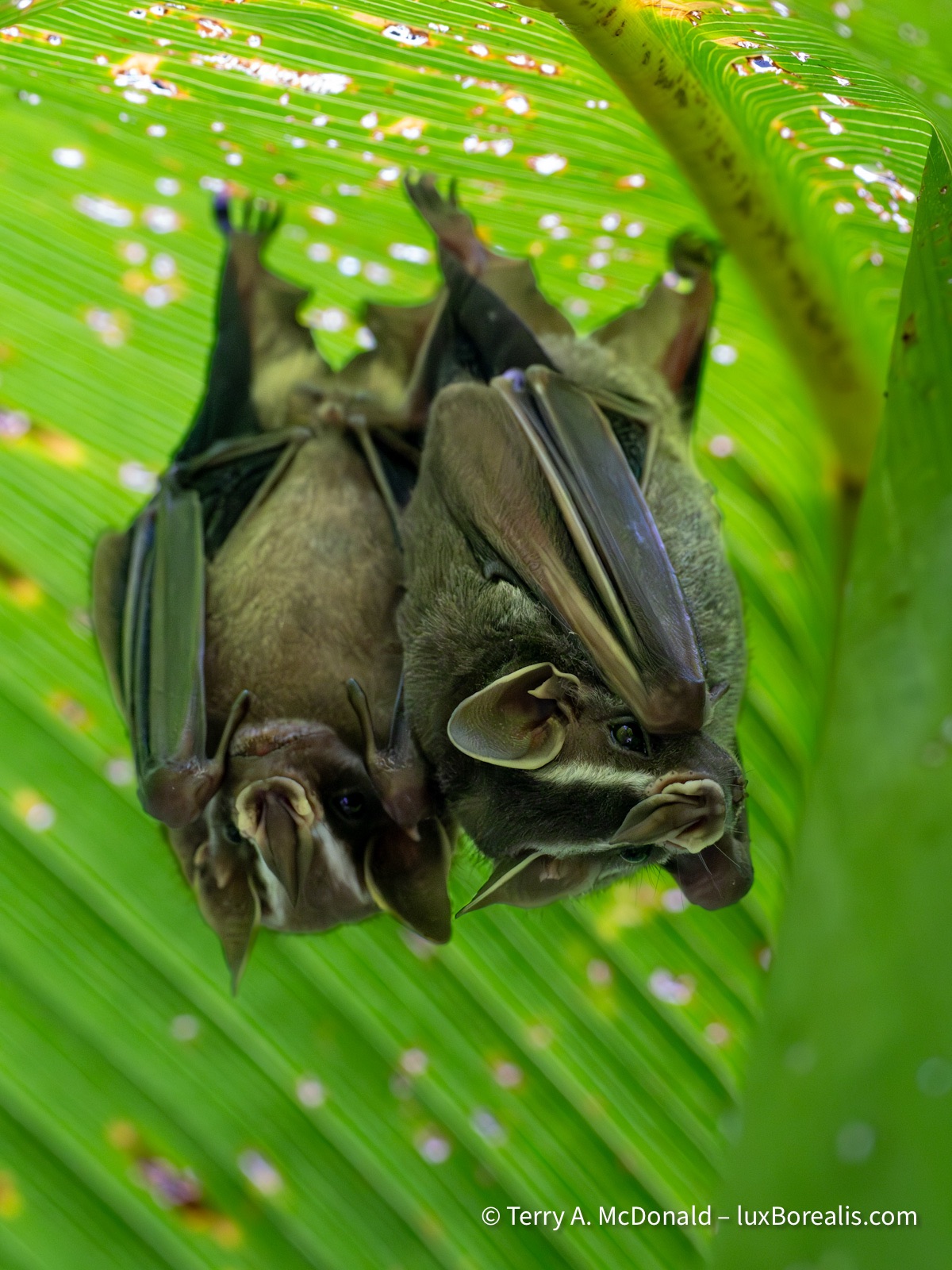
1/80 @ ISO 12800
Trying to bend myself under the fronds of this palm which the bats had nipped to form a tent was an exercise in limbo dancing.
Even a simple shot of the rather medieval-looking Desmoncus orthacanthos required an ISO of 25600, and that only gave me ƒ/8 @ 1/60!! To capture the deer, I waited until it was stalk-still and even then I needed a very steady hand, shooting at 1/100 despite using ISO 25600. Unreal! I’m very thankful for the engineers at Adobe who have created the denoising algorithms in Lightroom.
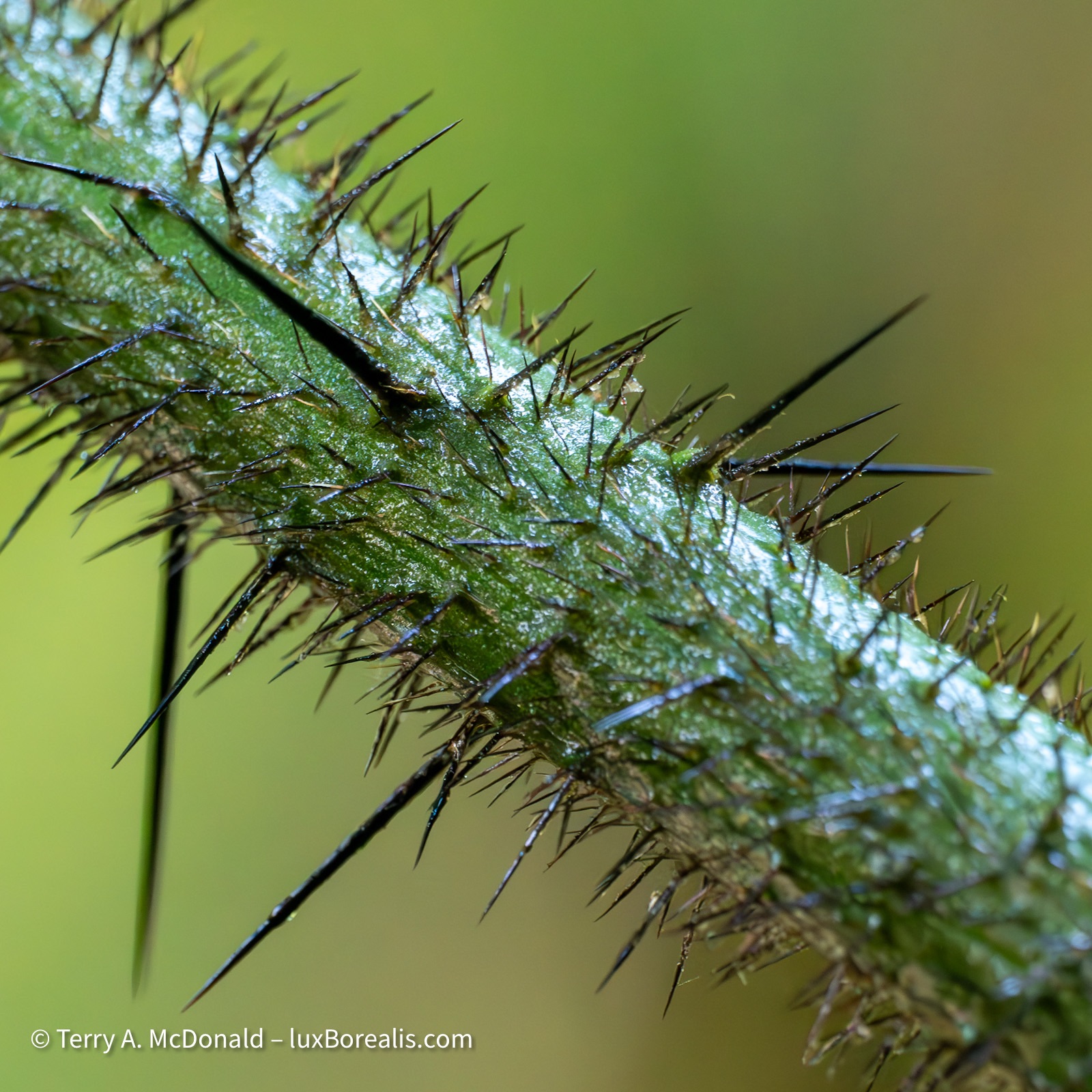
1/60 at ISO 25800
This is the stem of a climbing palm that appears to have more in common with a mediaeval weapon, then a rainforest plant!
And then there is the dampness, the humidity, the sweat, seeping out of every pore. Even without the rain (which held off for a few days!!), with temperatures approaching 30°C at 100% humidity, we were soaked within minutes. Glasses became fogged or smeared with sunscreen and sweat and it wasn’t long before my arms and neck were tired from always looking up—way up—and hoisting the camera and lens up to follow whatever was travelling or flying through the canopy.
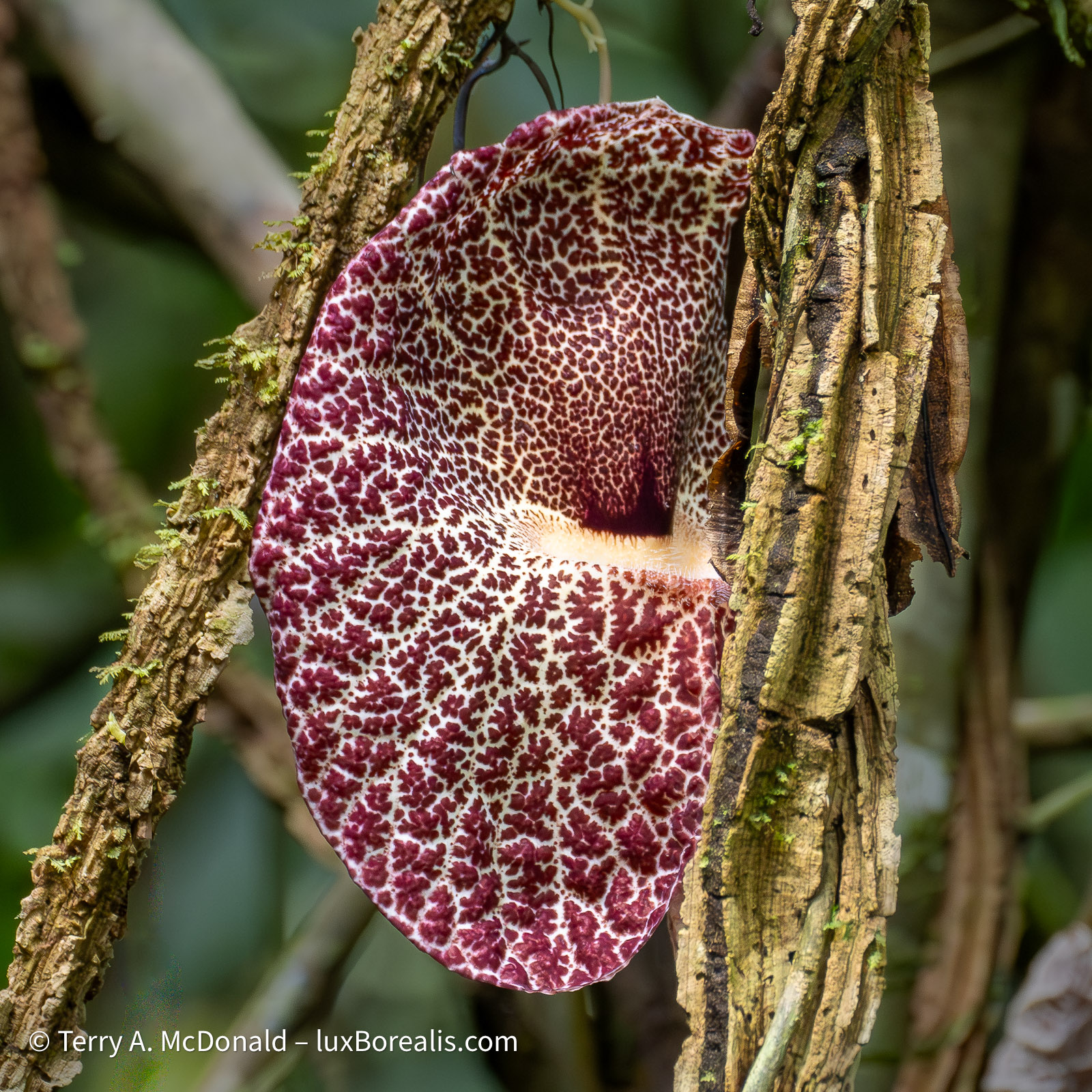
1/125 at ISO 6400
This one was small, about the size of two open hands.
It’s said, ‘the most important piece of photo equipment is the garbage bin’ which is where many near misses ended up, often due to a shutter speed that was too slow, my worn out muscles, and moving creatures, especially birds. Hundreds of photos have been reduced to the few I’ve posted today.
Tomorrow we head back to San José to meet up with the rest of our tour group. With only 12 of us, and with many different habitats and locations ahead of us, I think we’re in for a real treat.
Stay tuned!
Discover more from luxBorealis Blog
Subscribe to get the latest posts sent to your email.
 luxBorealis Blog
Trackbacks