Photo contests—What to do?
Have you ever entered a photo contest?
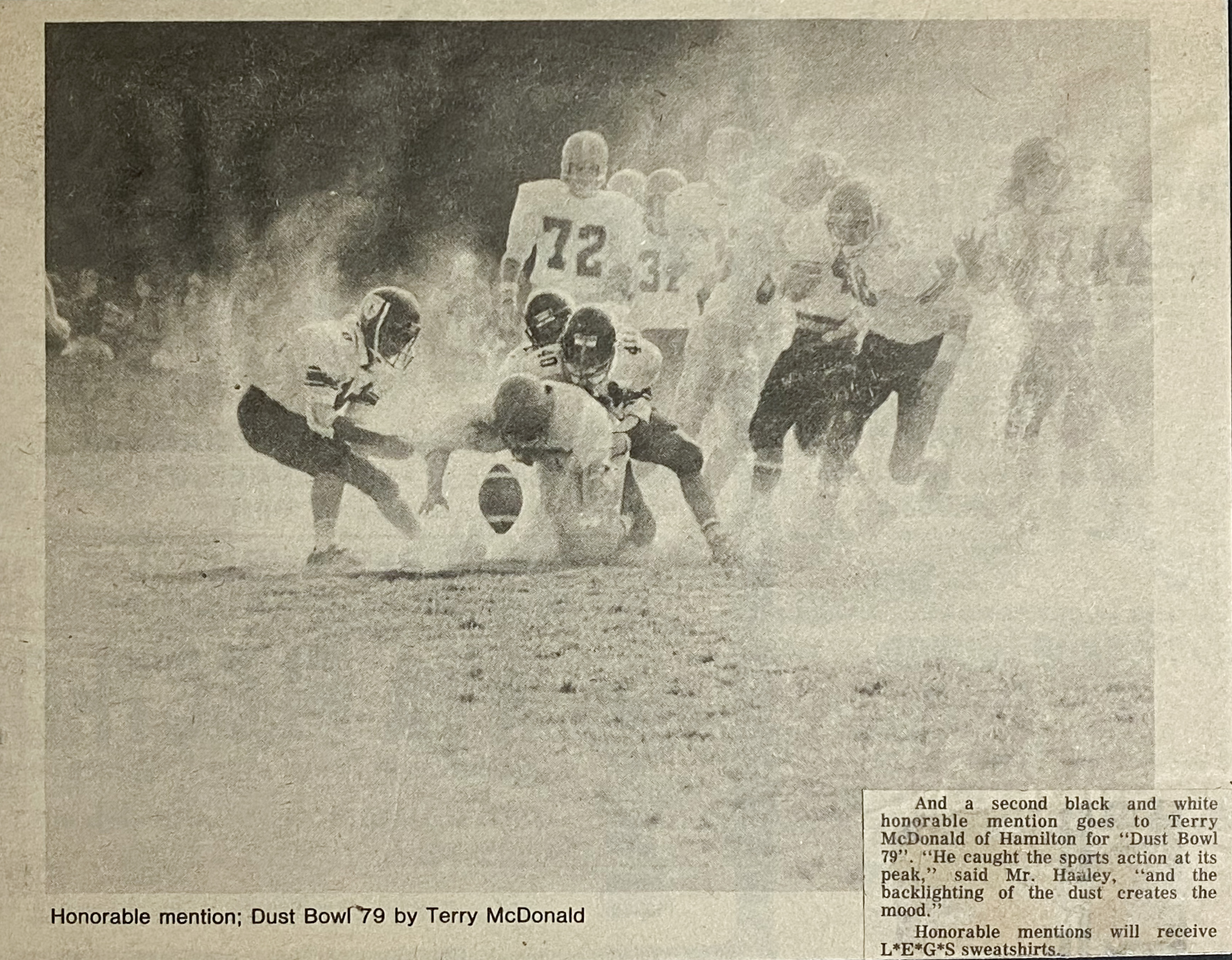
I remember the first time I entered one. It was 1980 and the Hamilton Spectator was running the contest. I was in high school and I entered a shot I took during a football game. The quarterback had fumbled the ball and it was silhouetted in the dust between him and the ground with lots of players gathering around. A classic and one I was so proud of. I was thrilled when I received an honourable mention. It was a shot very early in my photo career and one that I had worked hard to get—no motor drive, no burst, just good timing, and a bit of luck! I was positively ebullient until I saw that the winning photo was taken with a 110 Instamatic. How depressing, but it certainly got me thinking about photo contests, judges and photography in general.
For various reasons, it is hard to predict just how contests will end up. Sometimes, the judges have a preconceived notion of what they want. Or, they’ve been specifically instructed to look for specific types of photos that will fit the needs of the organization running the contest. And then there is simply the volume of great photos entered—it becomes a crap shoot. But this article isn’t meant to dissect ‘how to win’, but rather ‘should you enter?’.
A few contests I’ve come across lately are structured around charitable organizations looking to add to their photo collection (see the list at the bottom). That, in itself, is not a bad thing, but photographers really should be aware of exactly what they are entering and how their photos will be used. CHECK THE FINE PRINT. The other thing to consider is that entering a photo contest is a bit like entering a lottery. The judges will quickly separate the wheat from the chaff, but they will typically be left with a lot of wheat—perhaps hundreds of high quality, dramatic, well-executed photographs—but only a handful of prizes. There are a number of reasons for this:
- Cameras are so good nowadays with accurate AF and AE so, often, JPEGs are usable right out of the camera;
- More photographers have more disposable income to spend on mega-lenses and cameras. Remember, it’s not pros buying the bulk of the pro cameras and glass, it is dedicated and wealthy amateurs.
- There are far more options for processing photos, especially ones using push-buttons and AI corrections that once took minutes to hours to achieve;
- People seem to have more discretionary time to spend to obtain great photos; and
- People are much more widely travelled than 20 or more years ago, so there is easily an order of magnitude more of high quality images to choose from.

So, it’s not unusual for organizations to run contests, especially charitable organizations that are trying to stretch their charitable donations further. And this is where you come in . . . We all have dozens, hundreds, maybe even thousands of excellent photos. And with digital photography, we often have multiple copies of that same photo that are all similar. My question to you is, what are you going to do with them?
If you sell prints or canvases of your photos, great. You will have an active market of willing buyers and you may be earning some good money from your prints. If you put images up on stock photography sites, you may be earning some revenue from them, but typically, nature, landscape and wildlife photography doesn’t pay well, mostly because there is so much of it out there. My guess is, the majority of your images are not earning anything and are taking up space on your hard drive.
Which ever scenario fits your photography, you will have images that may well be valuable to a charitable organization. They can either sit on your hard drive or you can contribute them to help a cause that is important to you. No, you will not receive a tax receipt and no, you may not even win the photo contest. In fact, the images you contribute may never be used, but at least you’ve made an attempt to help.
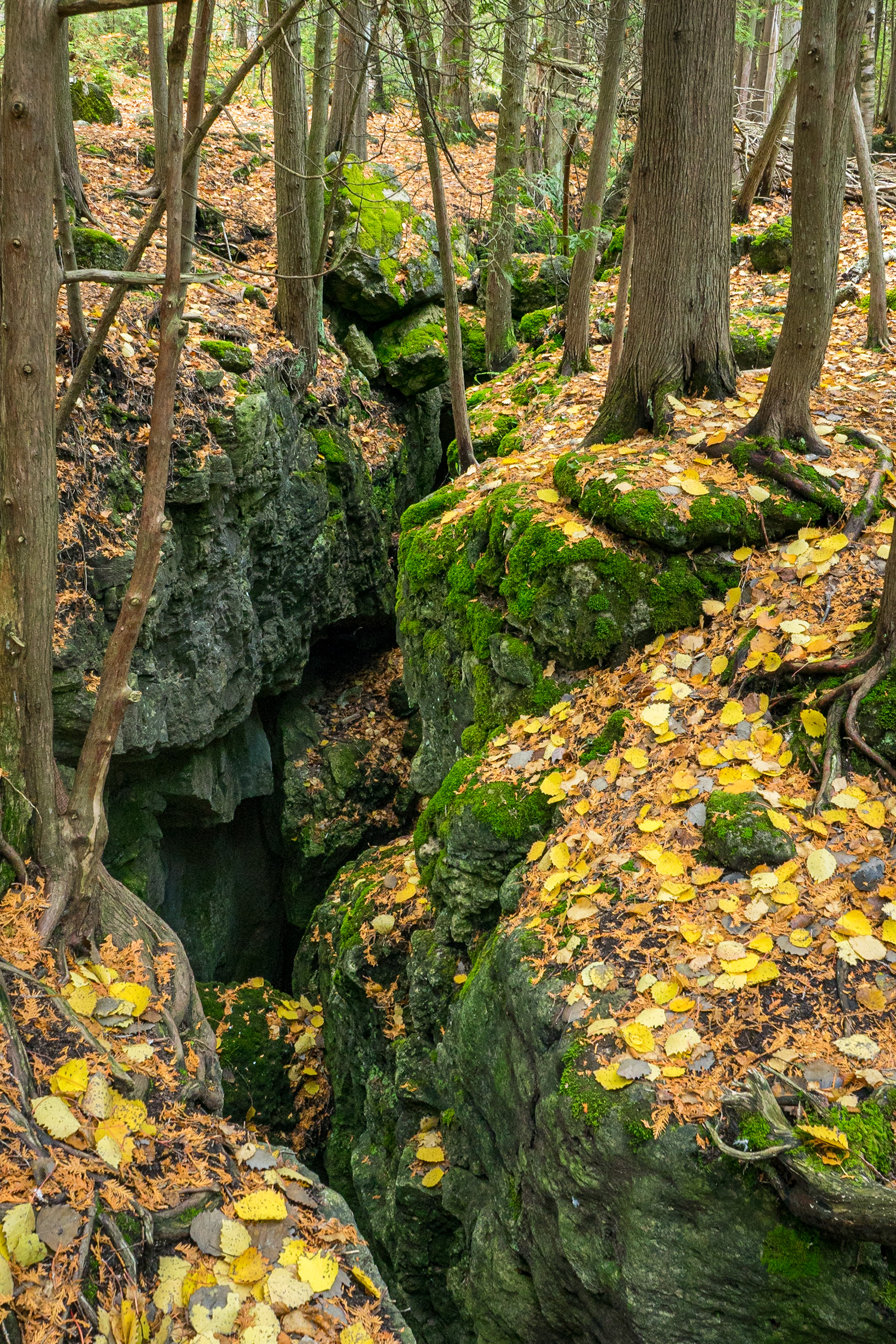
I’ve read a number of blog posts that specifically direct photographers to “never enter photo contests as they steal your images and you never get paid for them”. This is completely false. The organization does not steal your images. Once you enter your images, you are typically agreeing to the organization using your images for their own communications, media and educational uses in perpetuity. You retain the copyright, but they are permitted to use the images you submit, whether you win or not.
One interpretation I’ve seen related to this is “if your images are good enough to win a photo contest, then they are good enough to earn you some cash”. Well, this may be true, and certainly prize winning images are top notch. But ‘earning cash’ from photography is not that simple. Photographers earn money through direct sales of prints or digital downloads or through stock agencies or by freelancing their time and work. Typically, the first two do not pay well unless you have dedicated yourself to the business of photography. You see photography in and of itself is not a business. And posting your images on the web, on Instagram or Flickr or an Adobe Portfolio site or another website, might get you a few hits and a few sales, but to really earn money, you need to be (a) shooting for specific uses; (b) making your photos easily downloadable for stock use; and (c) marketing your photographs to the people and organizations who want to buy them. All of that takes a lot of dedicated time.

Another way of looking at it is this: If you approach photography like you approach, for example, golf, you may go out for a morning or an evening of shooting somewhere special and capture some great images. But, like golf, you are doing it as a past time, a hobby, something to provide you with personal rewards and pleasure. Nothing wrong with this at all. In fact, it takes the pressure off of always having to perform. It’s pure enjoyment.
So, now you have a collection of photographs that are somewhat unique and of better-than-average quality, but you are not marketing them specifically. Who markets their golf game other than the pros? You are the ideal person to enter photo contests and the charitable organizations running them will love you for it.
A couple of things to be aware of. Most contest will clearly say something to the effect that:
- “copyright remains with the photographer”: This is great as the image remains your property. As owner, you might even be able to sell it on as a print. Bottom line: you maintain the rights over the image.
- “photographers will receive credit for their work”: In fact they may even have a specific place where you indicate how you would like to be credited; e.g. photography by Terry A. McDonald – luxBorealis.com;
- “the organization will retain the right to use your photographs in perpetuity”: It sounds like forever (and, technically, it is) but the reality is, images go stale if they are overused. What this really means is they don’t need to keep track of which images “expire” when. It makes it a lot easier for the organization and typically, they won’t keep using the same images year after year as their marketing begins to look tired.
Now, if you find that you keep winning contest after contest, then you really do need to re-consider your priorities and, perhaps, put a push on stock photography or direct sales or possibly freelance work for magazines and other users of photography. But don’t go putting the cart before the horse. Many photographers don’t enter contest (a) because they don’t feel they’ll win; and (b) because they don’t want to give away their images for free.
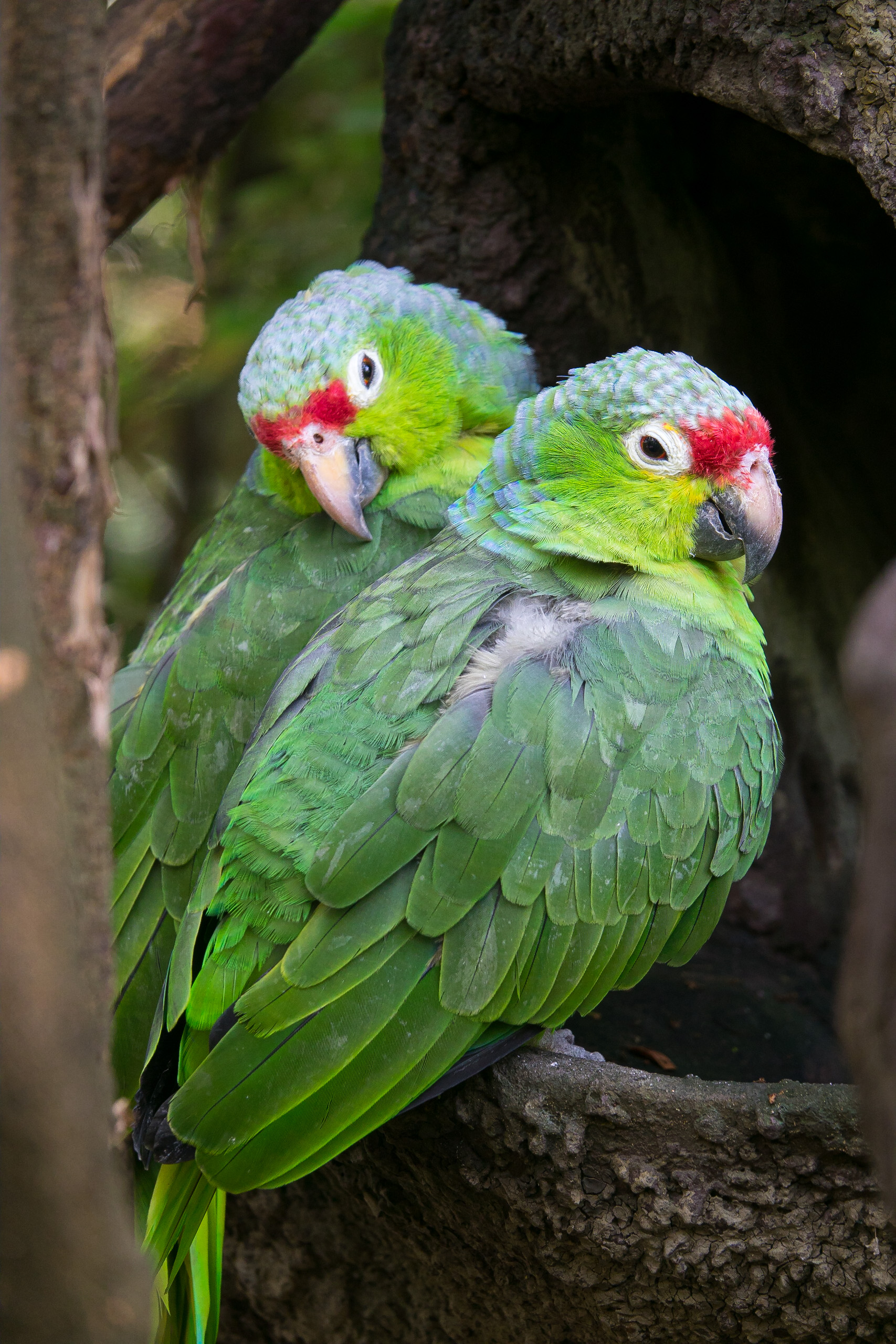
My suggestion is to consider the benefits to the organization you are supporting by entering the photos. Nature and outdoor organizations can use all they help they can get and your photos might just help them achieve their goals, the same goals that may have brought you to the organization in the first place.
One word of warning . . . There are a number of prestigious photo contests around the world that have a long history of attracting only the absolute best in nature and wildlife photography. The most obvious example of this the Wildlife Photographer of the Year, run by the British Museum of Natural History. It is the one that is exhibited at the ROM each year. Needless to say, it would be a feather in your cap if you placed in this contest. HOWEVER, there are a number of contests that may appear equally prestigious, but don’t seem to have the backing of any established organization, other than their own. Be wary of these types of contests. I sometimes wonder (a) how legit are they?; and (b) do they actually come though with what they claim?
Again, before entering, do your homework: READ THE FINE PRINT. Get to know the organization you are supporting by entering the contest. Start small and work your way up, unless, of course, you have made that one amazingly phenomenal image that would win just about anything. We all have those images (😊), it’s just a matter of sharing them with the world around us.
Good luck! And drop me a comment to tell us how things went or if you are entering.
Thanks for reading!
If you have any comments, questions, experiences or suggestions about photo contests or any of the organizations listed here, please add them to the Comments section. I also appreciate it when you share my blog post with other photographers or within your camera club.
If you are not yet a subscriber, then consider adding your email up at the top to be instantly alerted to new blog posts. And I promise not to inundate your inbox.
You can view my work by visiting www.luxBorealis.com. Consider booking a PhotoTalks presentation or workshop for your Photo Club or a personal Field & Screen workshop at Workshops.
Here are a few contests to consider:
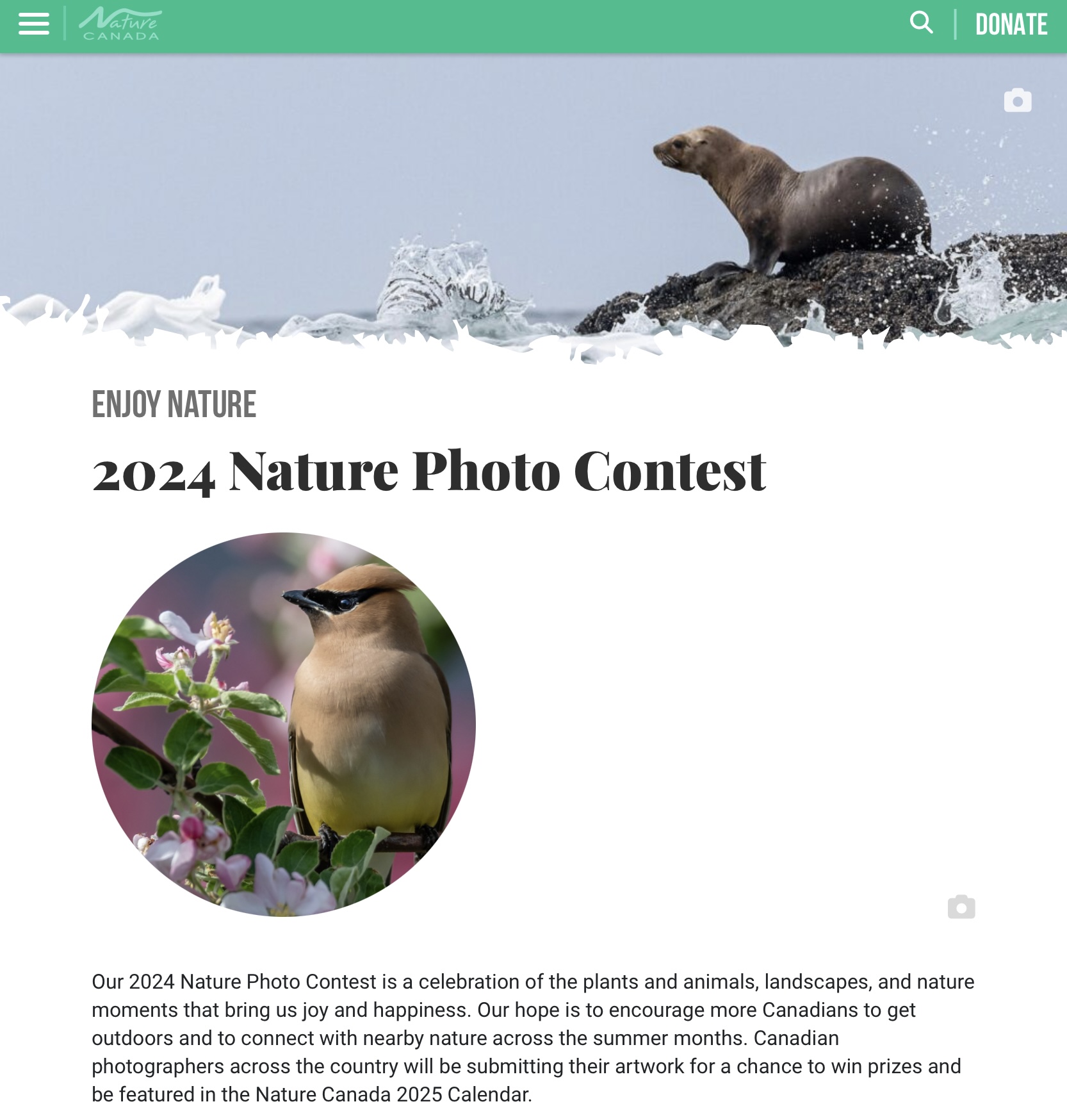
- Nature Canada 2024 Photo Contest
- Bruce Trail Conservancy Magazine Photo Contest 2024
- BirdsCanada 2025 Calendar Call for Photos
- Nature Conservancy of Canada Small Acts of Nature Photo Contest 2024
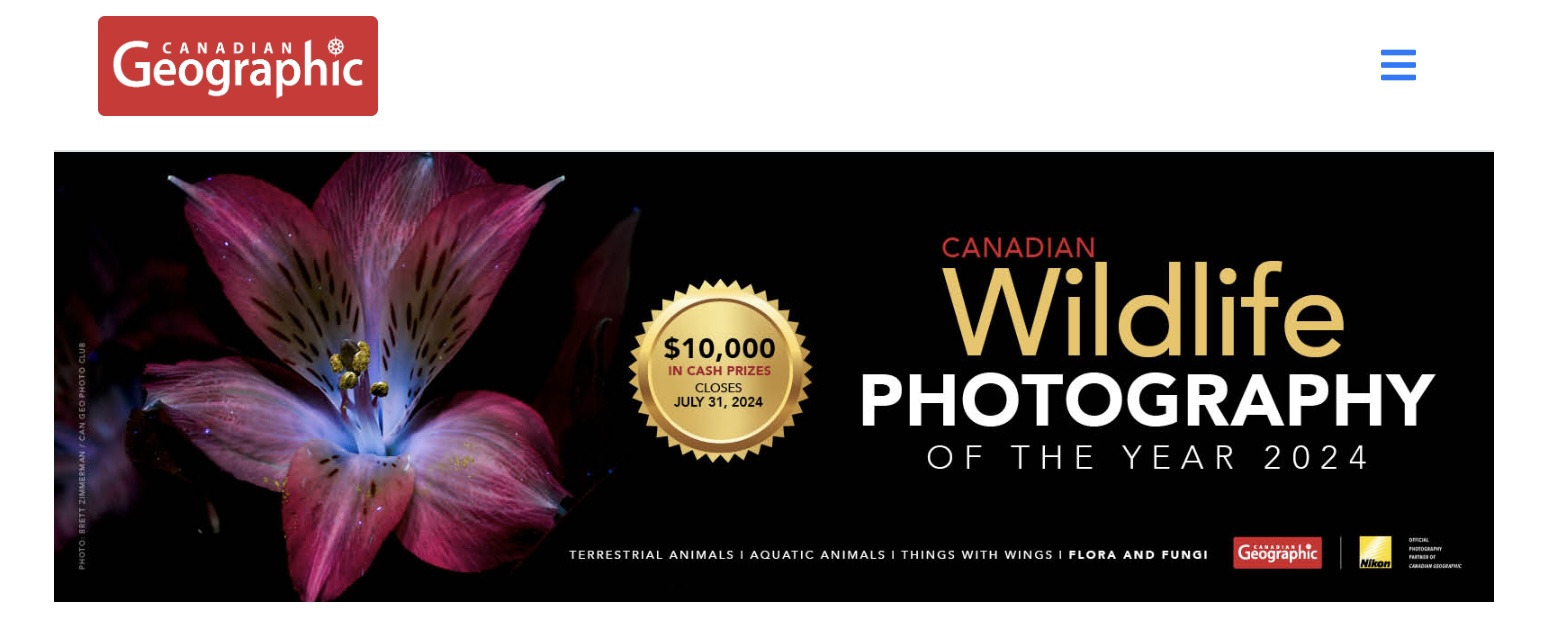
- Canadian Geographic Wildlife Photography of the Year 2024
- Lake Biodiversity Photo Challenge 2024


Discover more from luxBorealis Blog
Subscribe to get the latest posts sent to your email.
 luxBorealis Blog